
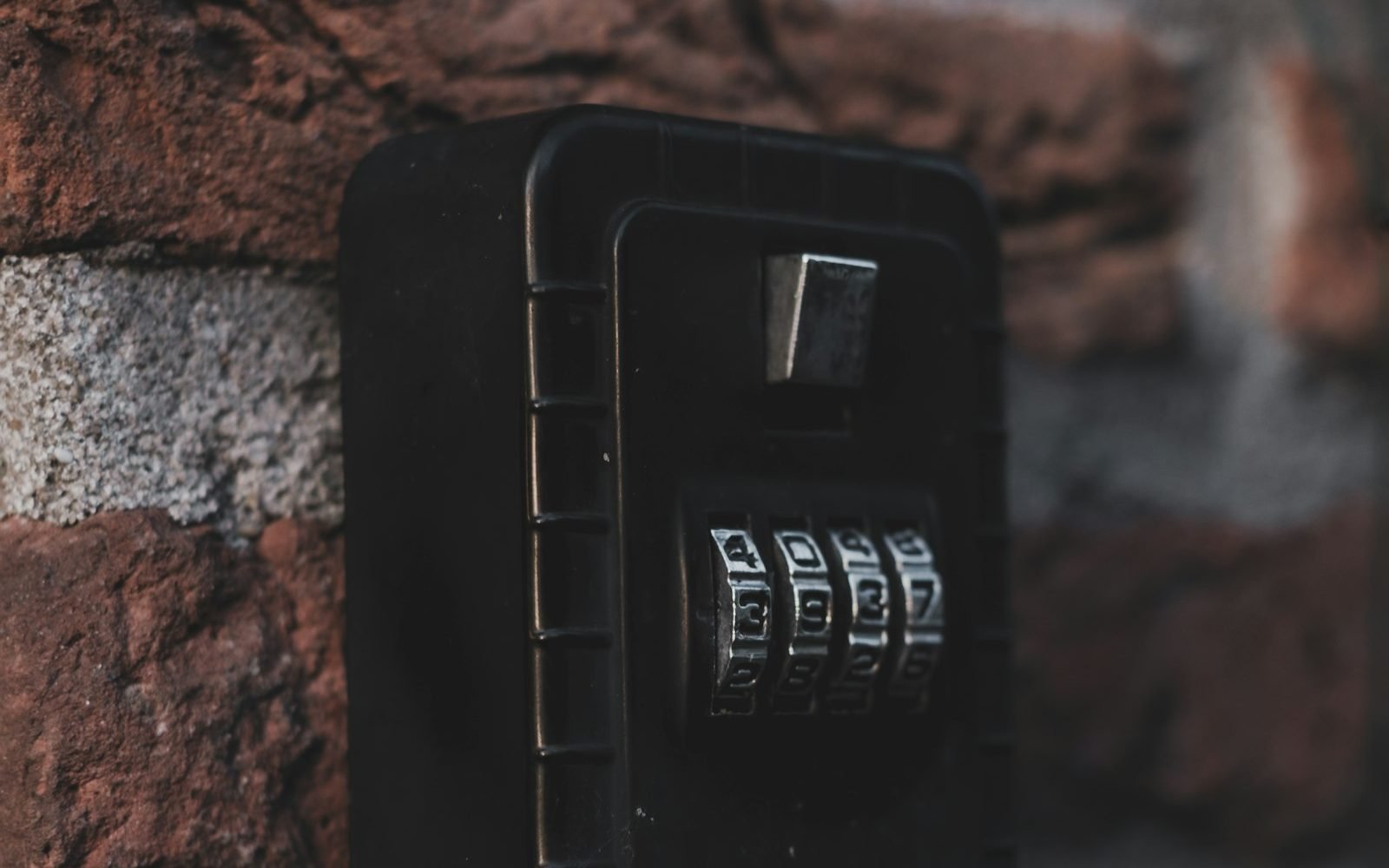
A digital home safe has become one of the most common purchases for people who want to organize documents, jewelry and small electronics at home without juggling keys. But the label covers very different products, from thin steel boxes to heavy models with certified fire resistance. Choosing by size or looks often ends in a purchase that does not protect what you actually care about.
This guide shows you how to decide what you will store, compare lock types, choose between a bolt-down safe and an in-wall one, read fire and water ratings, and pick a good spot for installation. No safe is invulnerable: the goal is to reduce risk realistically, not to promise total protection.
What a digital home safe protects (and what it does not)
A digital safe usually has an electronic lock opened by a numeric code and, on some models, a fingerprint, plus an emergency key. The “digital” part only describes how it opens. What defines protection is construction: steel thickness, the number and thickness of bolts, anchoring and, when present, fire or water certification.
Two different protections are often confused. Burglary resistance and fire resistance are tested separately, and a safe can score very well on fire while offering little protection against a break-in. Manufacturers and testing labs also make it clear that no safe is completely fireproof: it resists a given temperature for a given amount of time.
Before you buy: what will you store?
This question sets the size, the level of protection and even the lock type. Paper documents, cash and jewelry have different needs from flash drives, hard drives and old photographs.
| What to store | What to look for |
|---|---|
| Paper documents (certificates, deeds, contracts) | Fire resistance rated for paper, ideally with water protection too |
| Digital media (hard drives, flash drives, memory cards) | A fire class made for digital media, with a much lower internal temperature limit |
| Jewelry and small valuables | Sturdy bolts, firm anchoring and a good hiding place |
| Cash and everyday items | Quick access, a reliable battery and a compact size |

Lock types: electronic, mechanical, biometric and key
There is no ideal lock for everyone. The choice depends on your routine, the risk of forgetting a code and who needs access.
| Type | Advantages | Watch out for |
|---|---|---|
| Key | Simple | You must keep track of the key; if it sits in the same room, a burglar may find it or a fire may destroy it |
| Mechanical combination | No battery and no key | Fewer combinations and slower to use until you get practice |
| Electronic combination | Many code options, easy to change the code | Some models need battery changes; check for an emergency key |
| Biometric | No code to remember and no key to track | Often comes with a backup key; test the reader with dry and damp fingers |
In product tests published by specialist reviewers, fire protection comes from construction and certification, not from the type of lock. Pick the one you will actually use, and keep your code away from obvious dates.
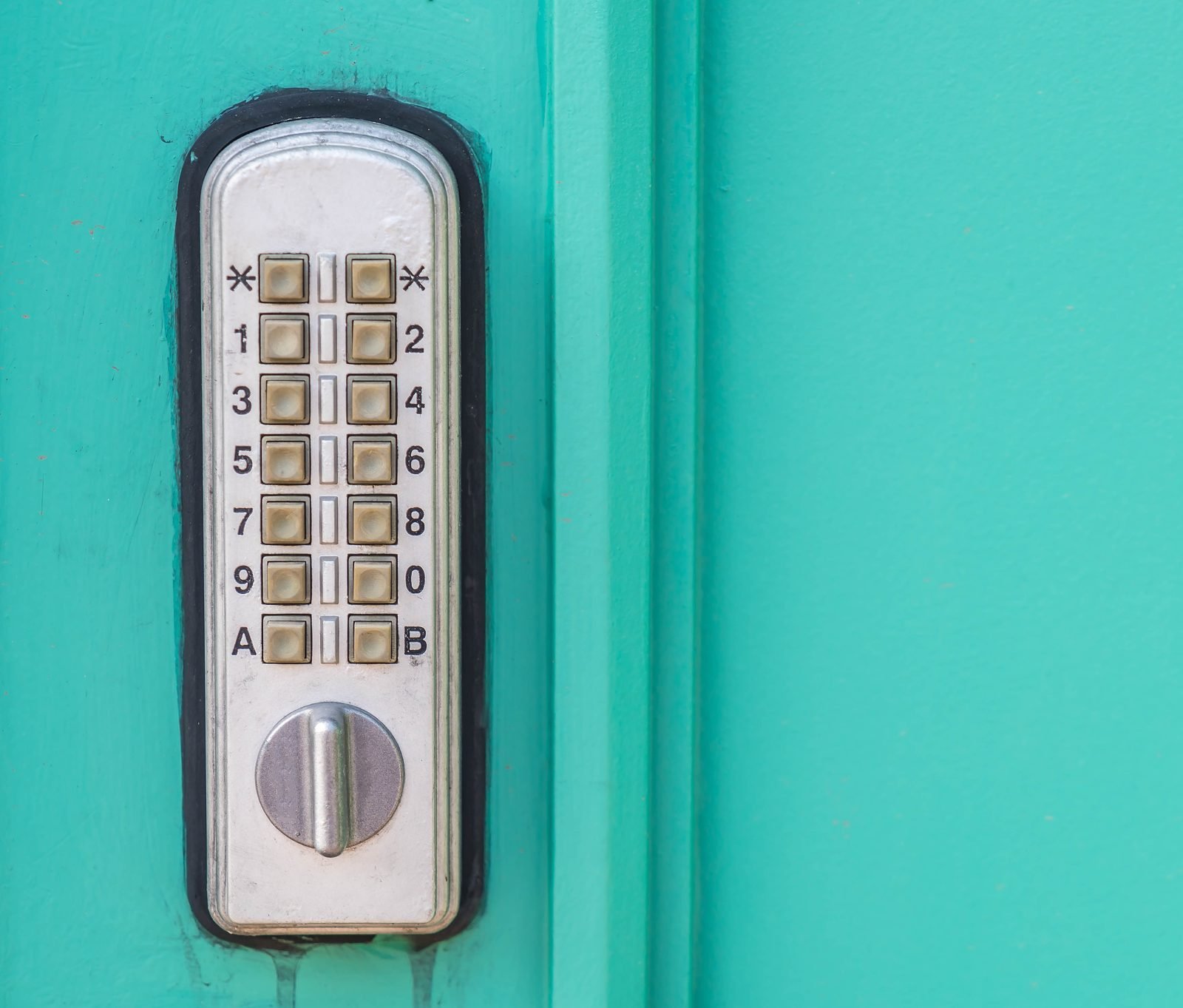
If you like connected solutions, also see our smart lock buying guide, which compares the ways a door can open.
Surface-mounted or in-wall safe
A surface-mounted safe sits on or is fixed to a surface, with no construction work. In retailer guides, anti-theft fixing is usually done with screws applied from inside the safe. An in-wall or in-floor safe is recessed, needs a small construction job and tends to be harder to remove, because only the door is exposed. Some models include a reinforcing mesh that ties the box to the masonry.
Either way, look at three things: the thickness of the steel body, the thickness of the front, and the number and thickness of the bolts, since they set how hard the door is to force. For an in-wall installation, hire a professional to check the structure, pipes and wiring before opening the wall.
How to read fire and water ratings
Ratings combine a maximum internal temperature with a duration. Class 350, for example, means the interior stays below 350 °F (about 177 °C), a limit designed for paper. Class 125 applies to digital media, which can be damaged at much lower temperatures.
- Class 350: paper documents.
- Class 150: magnetic tapes and photographic film.
- Class 125: hard drives, flash drives and other digital media.
- Duration: common models list from 30 minutes to 2 hours; one hour is cited as a balanced reference for homes.
- Water: fire resistance does not guarantee water resistance; look for a specific submersion rating.
The label matters too. Buying guides point out the difference between “UL listed” or “ETL verified” and “tested to UL standards”: the first means the safe passed the tests, while the second does not necessarily. Be wary of any model that claims fire resistance without naming the lab, the class and the time.
Where to install it and how to anchor it
- Choose a discreet, low-traffic spot. The primary bedroom is usually the first place burglars look, so a hallway closet or guest room closet may be better.
- Avoid garages and basements: the first are easy to reach and the second flood easily.
- In multi-story homes, the first floor tends to be the best protected from fire, and keeping the safe above ground level lowers the risk of water damage.
- Bolt the safe to the floor or wall with the hardware the manufacturer recommends. A light safe is easy to carry away whole.
- Keep the spare key and the code away from the safe.
Pre-purchase checklist
- I listed everything that will go inside and measured the space needed.
- I checked for a fire class that suits the contents (paper or digital media).
- I checked the water information, if flooding or leaks are a risk in my case.
- I looked at steel thickness, the number of bolts and whether pre-drilled holes are included.
- I picked the lock and confirmed the emergency key and battery type.
- I decided on the location and whether any construction is needed.
Documents: safe, copies and cloud
US government disaster-preparedness guidance suggests keeping paper copies in a fireproof and waterproof box or safe, or in a bank safe deposit box, and storing electronic copies on a password-protected device or in a secure cloud service. Identification, housing, insurance and medical records are among the items listed. The same logic works here: originals in the safe, a digital copy somewhere else. Ask your insurer how valuables are treated under your policy.
To round out home protection, see the home alarm system guide and the introduction to home automation for beginners.
Frequently asked questions
Is a digital safe fireproof?
Not necessarily. A digital opening says nothing about fire. Look for the internal temperature class, the duration and the certifying lab.
Is an in-wall safe worth it?
It is usually harder to remove and stays discreet, but it needs construction and planning. A surface-mounted safe is easier to install as long as it is well anchored.
Is a fingerprint safe more secure?
It is more convenient, but the level of protection depends on how the safe is built. Many models include a backup key, which should be stored somewhere else.
What should I do with the code and spare key?
Avoid obvious dates, change the default code and do not leave the key near the safe. If the model uses batteries, note a date to check them.
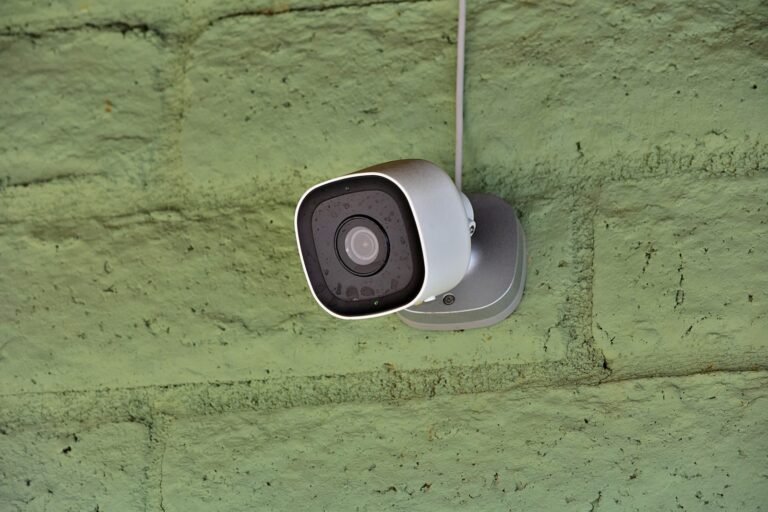
Did this guide help? Leave a comment telling us what you plan to store. And to strengthen your home further, read our guide to wired vs. Wi-Fi security cameras.
Sources and references
- Liberty Safe — Understanding Safe Fire Ratings (classes 350/150/125, durations and tests)
- Bob Vila — The Best Fireproof Safes of 2026 (lock types, UL and ETL, placement)
- Leroy Merlin (Portugal) — How to choose a safe (surface and recessed safes)
- Ready.gov — Financial Preparedness and Safeguard Critical Documents and Valuables (FEMA)
- Editorial policy
Featured image: Photo: Haberdoedas / Unsplash
Leave a Reply