Decor Home and Garden

Decorating, plants and landscaping ideas for every home

Category: Garden & Landscaping

A well-planned garden makes a home more comfortable, adds value to outdoor areas and creates a place to spend time together, even when space is limited. In this category we bring together home landscape design and gardening guides for backyards, front yards, balconies and walls.

The starting point is always the same: observe how much sun the area gets during the day, the type of soil or container, drainage, wind and how much time you will have for plant care. Once that is clear, it becomes much easier to choose plants, paths, paving and outdoor lighting. Our home landscape design guide walks you through planning the project step by step, and the small garden ideas article offers simple, low-maintenance options for compact spaces.

When ground space is tight, a vertical garden can bring greenery to walls and fences, as long as you plan for structure, waterproofing and irrigation. If children or pets share your home, check plant toxicity before you buy.

  • Vertical Garden: How to Build One, the Right Plants and Care

    Vertical Garden: How to Build One, the Right Plants and Care

    A vertical garden turns a dull wall into a focal point, brings greenery to places with no floor space to spare and gives real personality to balconies, hallways and narrow backyards. The idea is simple: you grow plants upward, in pots, modules or fabric pockets attached to a surface.

    The result, however, depends on decisions you make before the first plant goes in: how much light the wall gets, how water will reach every plant and how you will protect the wall from moisture. This guide covers the step-by-step process, a table of plants for sun and shade and the care that keeps it all thriving.

    Where a vertical garden works best

    Almost any wall can hold plants, but some spots make the project much easier. Balcony walls, backyard fences, bright laundry areas and well-lit entryways usually do great. In dark interiors, a living wall only survives with dedicated grow lights, or with preserved plants, which are no longer alive.

    Think about how the space is used, too. In a busy hallway, choose compact plants that will not brush against passersby. On a living room or balcony feature wall, trailing plants and mixed textures create an eye-catching “green curtain” effect.

    Before you buy: light, water and the wall itself

    Watch the light for a few days

    Check the wall in the morning, at midday and in the late afternoon. Several hours of direct sun call for full-sun plants; bright light without direct sun calls for species that prefer partial shade. This simple observation prevents the most common mistake: putting ferns in harsh sun or herbs in a dark corner.

    Plan watering from day one

    On a vertical panel, water runs from top to bottom. That means the upper rows dry out faster while the lower rows tend to stay wetter. For a handful of pots, a watering can with a narrow spout is enough. For larger walls, a drip irrigation system with a timer saves time and delivers water more evenly.

    Protect the wall

    Constant moisture against a wall can cause stains and mold, especially on interior walls or walls shared with a neighbor. Choose structures that leave a small ventilation gap between the planters and the wall and, if possible, add a tray or gutter to catch excess water. To hang heavy modules, use wall anchors and screws rated for the weight of the plants with wet soil. If you are unsure whether the wall can take the load, or you need a water line or an outlet for the timer, hire a licensed professional.
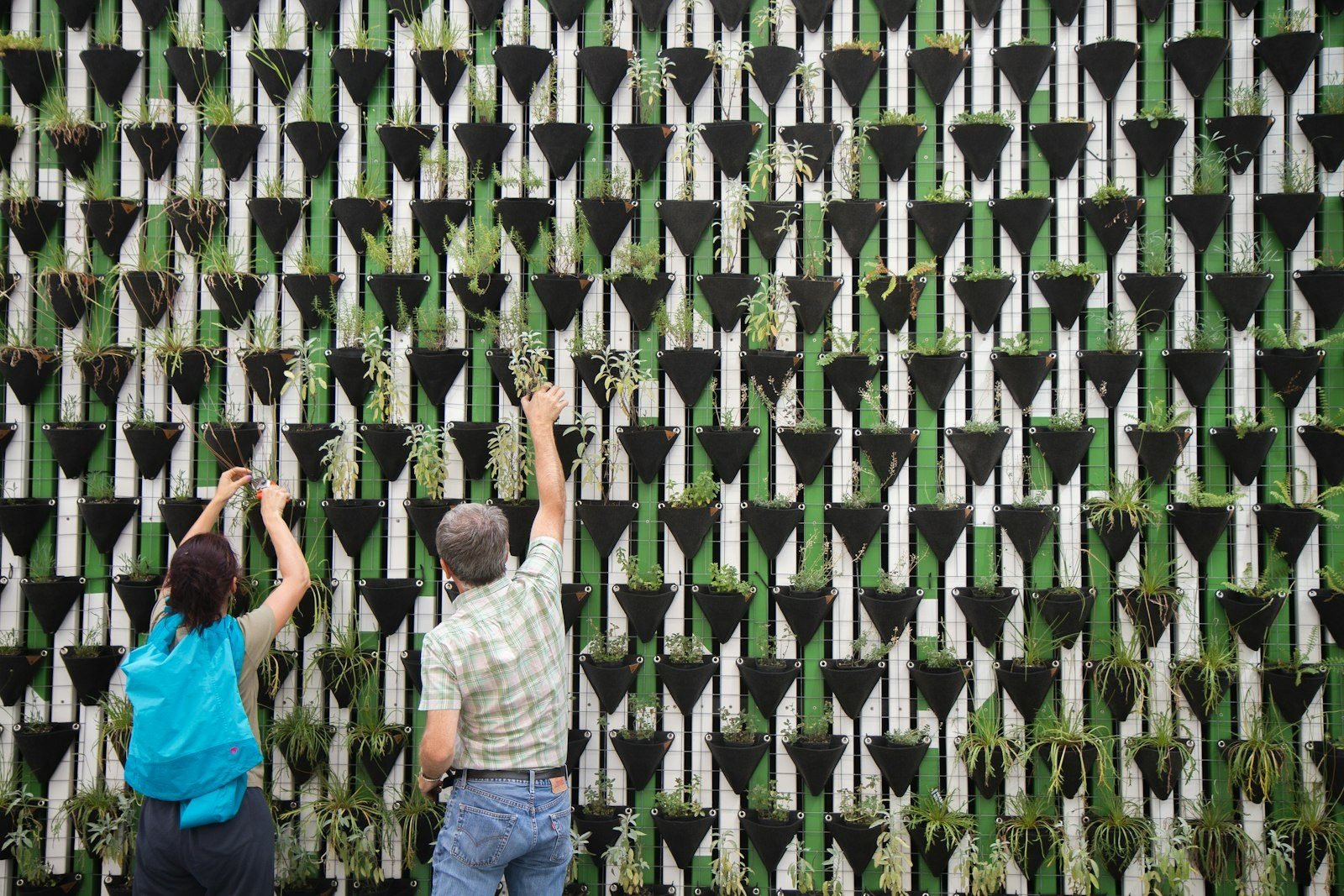
    Two people planting seedlings in a panel of black modular planters mounted on a wall
    Modular systems let you swap plants one at a time. Photo: Daniel Funes Fuentes / Unsplash

    Types of structures: which one suits your home

    No system is best for everyone. The right one fits your budget, your free time and your wall.

    • Wall-mounted pots: the simplest and most affordable option. Metal brackets or pots with built-in hooks let you arrange them freely and rearrange whenever you like.
    • Interlocking plastic modules: these form a continuous panel with angled pockets that hold the soil in place. You can replace a single plant without dismantling the wall.
    • Felt or fabric pockets: light and flexible, they create a lush, full look. They need more frequent watering or automatic irrigation, because the fabric loses moisture quickly.
    • Trellises with climbing plants: the plants grow in the ground or in planter boxes and climb the structure. This is the lowest-maintenance solution, but it takes longer to cover the surface.
    • Wooden shelves and ladder stands: a good fit for renters, because they can simply lean against the wall or be secured with just a few holes.
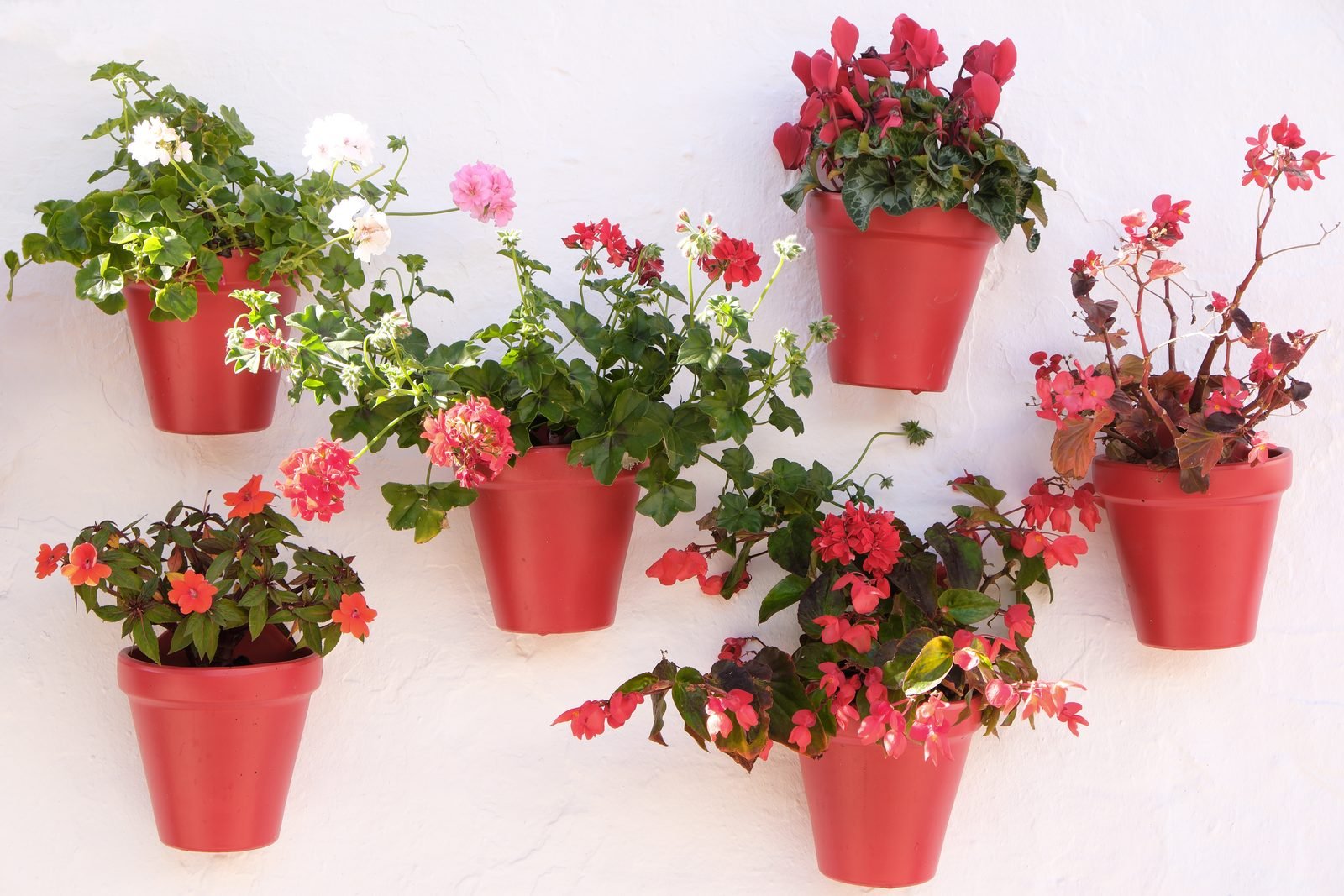
    Red flower pots mounted on a white wall forming a simple vertical garden
    Pots fixed to the wall: the easiest way to get started. Image: kstudio / Freepik

    Plants for a vertical garden: sun, shade and pets

    The golden rule is to combine species with similar light and water needs. Use the way water flows to your advantage: place plants that tolerate drying out a little at the top and those that like moist soil at the bottom. The table below lists easy-to-find options. Toxicity information follows the plant database of the ASPCA (American Society for the Prevention of Cruelty to Animals).

    Plant Light Watering Pets and children
    Boston fern (Nephrolepis exaltata) Partial shade, indirect light Frequent; keep soil lightly moist Non-toxic
    Spider plant (Chlorophytum comosum) Partial shade to morning sun Moderate Non-toxic
    Baby rubber plant (Peperomia obtusifolia) Indirect light Moderate; let the surface dry Non-toxic
    Mistletoe cactus (Rhipsalis) Partial shade, filtered light Moderate: it is a forest cactus Non-toxic (R. cassutha)
    Bromeliads (Neoregelia) Bright light, gentle sun Moderate; no standing water for days Non-toxic
    Rosemary (Salvia rosmarinus) and basil (Ocimum basilicum) Full sun Rosemary little; basil frequent Non-toxic
    Golden pothos (Epipremnum aureum) Partial shade Moderate Toxic
    Heartleaf philodendron (Philodendron hederaceum) Partial shade Moderate Toxic
    Mint (Mentha) Sun or partial shade Frequent Toxic to dogs and cats

    Pothos and philodendron contain calcium oxalates, which irritate the mouth and throat and can cause drooling and vomiting if chewed. Mint, because of its essential oils, can cause vomiting and diarrhea if eaten in large amounts. If you share your home with pets or small children, keep these species out of reach or stick to the non-toxic options.

    A smart move is to include epiphytes. Mistletoe cactus and many bromeliads grow naturally perched on tree trunks, which makes them very well suited to life on a wall. Whatever you pick, choose species suited to your climate; a local garden center can tell you which ones can stay outdoors year-round. For indoor walls, see our list of the best plants for apartments; if the wall is outside, browse our picks of balcony plants that can handle the conditions.
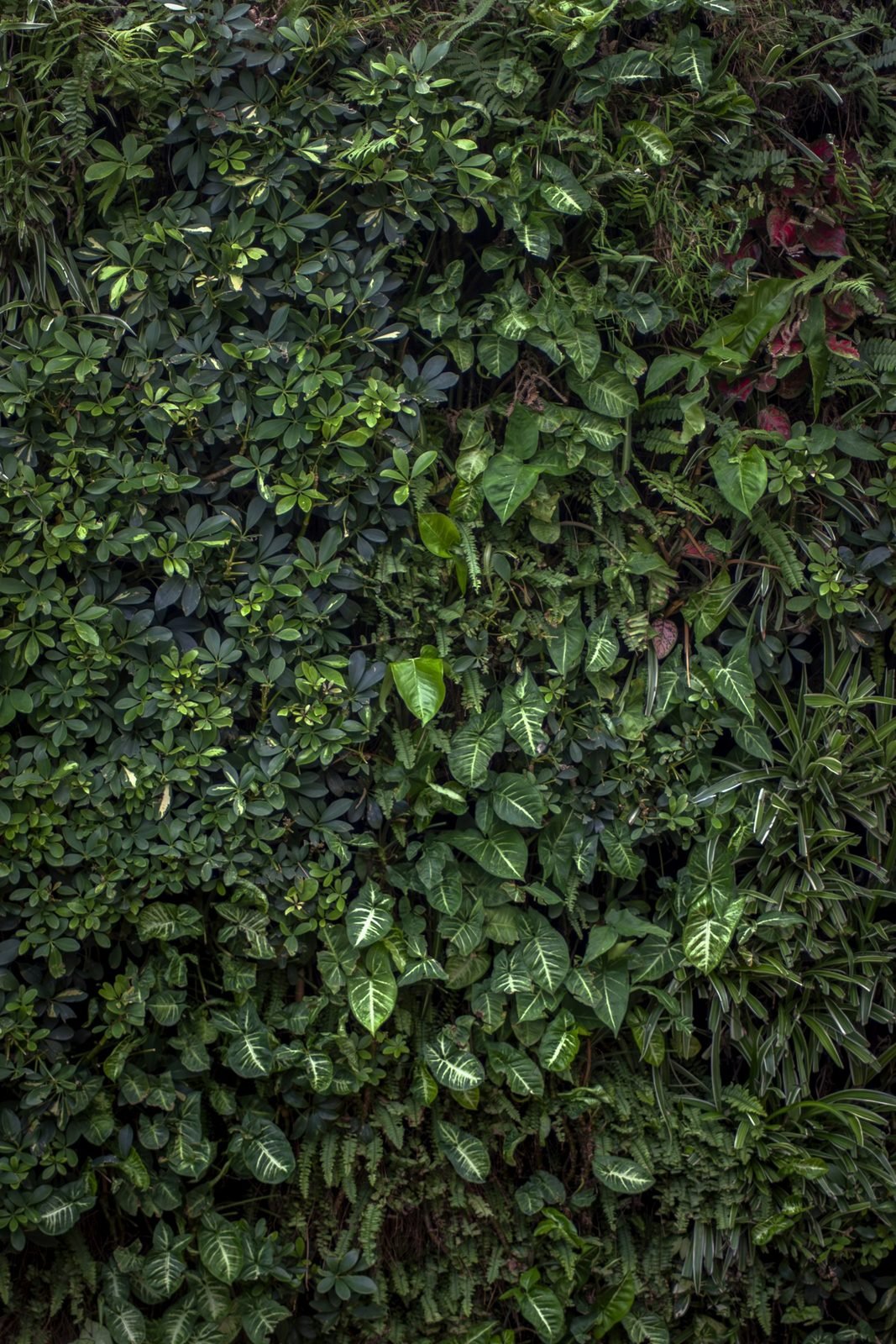
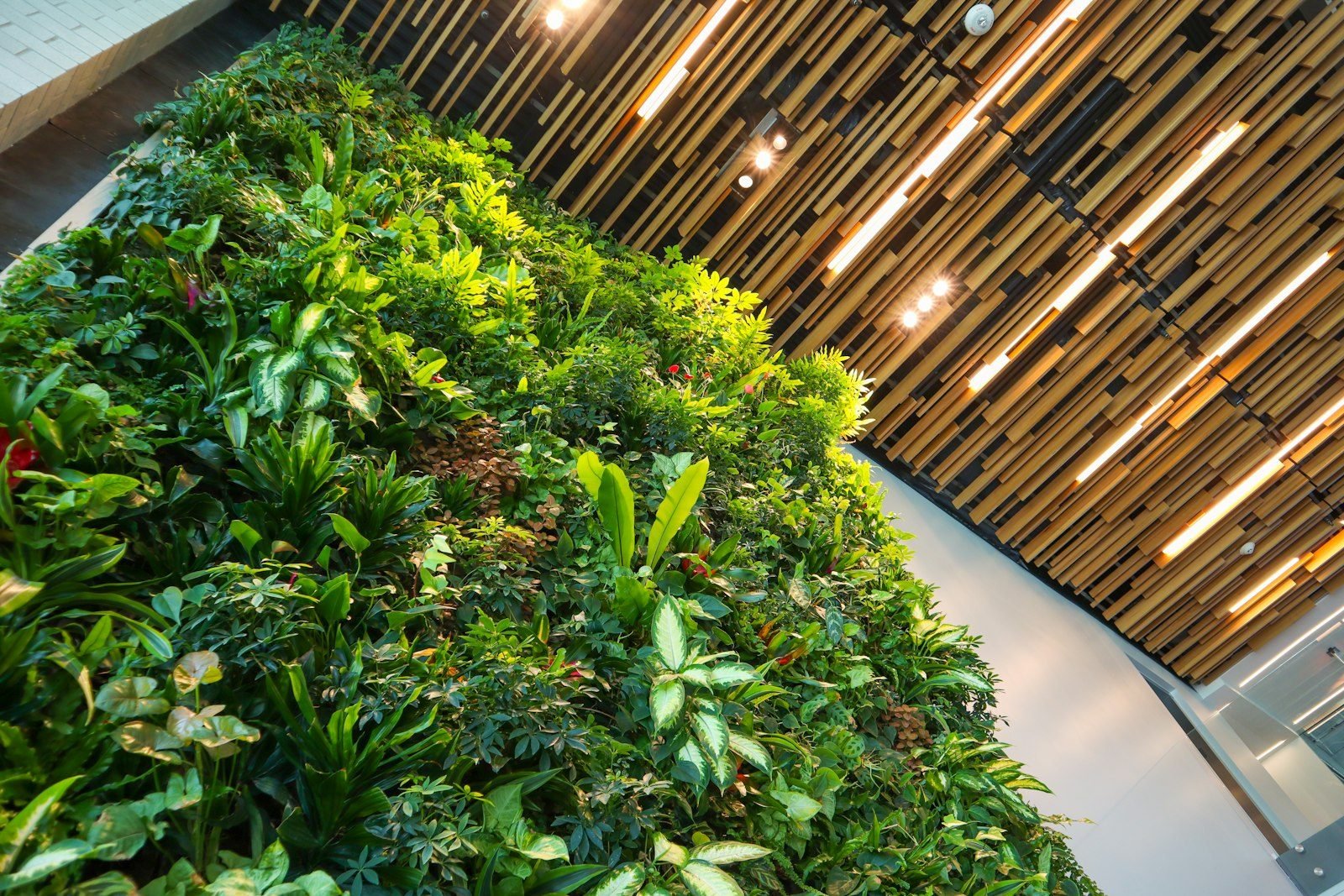
    Wall completely covered with assorted green foliage plants
    Mixing textures and shades of green adds depth to the panel. Photo: Jayde Keroi / Unsplash

    Step by step: how to build your own

    1. Define the area: measure the wall and decide whether the garden will cover the entire surface or just a section. Starting small helps you get into the rhythm of care.
    2. Choose the structure based on the light, your budget and the time you will have for watering.
    3. Prepare the wall: check for existing leaks or damp patches, install the spacers or protective layer and make sure the mounting is secure.
    4. Use a light, fast-draining mix: potting soil blended with coconut coir or pine bark keeps the whole setup lighter and prevents waterlogging.
    5. Plant in groups: repeat the same species in clusters instead of alternating one of each. The design looks far more harmonious.
    6. Keep an eye on the first few weeks: this is when young plants settle in. Watch for wilting or yellowing and adjust the watering or the position.

    Easy maintenance

    A vertical garden is not something you install and forget. The good news: the routine takes just minutes a week. Use this checklist as your guide:

    • Every week: touch the soil to check moisture, remove dry leaves and make sure water is reaching the top pots.
    • Every month: feed lightly with a diluted liquid fertilizer and clean drippers and trays.
    • Every season: trim anything that has grown too much, replace tired plants and check screws and brackets.
    • Whenever you spot them: remove pests such as mealybugs and aphids by hand, and ask a garden center for advice before applying any product.

    From a real-estate point of view, a well-kept green wall is often what visitors remember about a home. A panel of dry plants and damp stains sends the opposite message. That is why consistent care matters more than a grand design.

    Frequently asked questions

    Does a vertical garden cause damp walls?

    It can, if water stays in direct, constant contact with the wall. Structures with a ventilation gap, a drip tray and, when needed, waterproofing greatly reduce that risk.

    Can I have a vertical garden in an apartment without direct sun?

    Yes, as long as there is natural daylight. Boston ferns, peperomias and spider plants handle indirect light well. In truly dark corners, you will need grow lights designed for plants.

    How much does it cost to build a vertical garden?

    The price varies with your location, the size of the wall, the type of structure and whether you add automatic irrigation. Simple wall-mounted pots are the most affordable way to start.

    Which plants are safe for dogs and cats?

    Boston fern, spider plant, peperomia, mistletoe cactus and bromeliads of the genus Neoregelia are listed as non-toxic in the ASPCA database. Pothos, philodendron and mint call for caution.

    Wrapping up

    With the light assessed, watering planned and plants that get along with each other, a vertical garden stops being a challenge and becomes everyone’s favorite corner of the house. If your outdoor space is also limited, check out our small garden ideas. And tell us in the comments: which wall in your home would you love to transform?

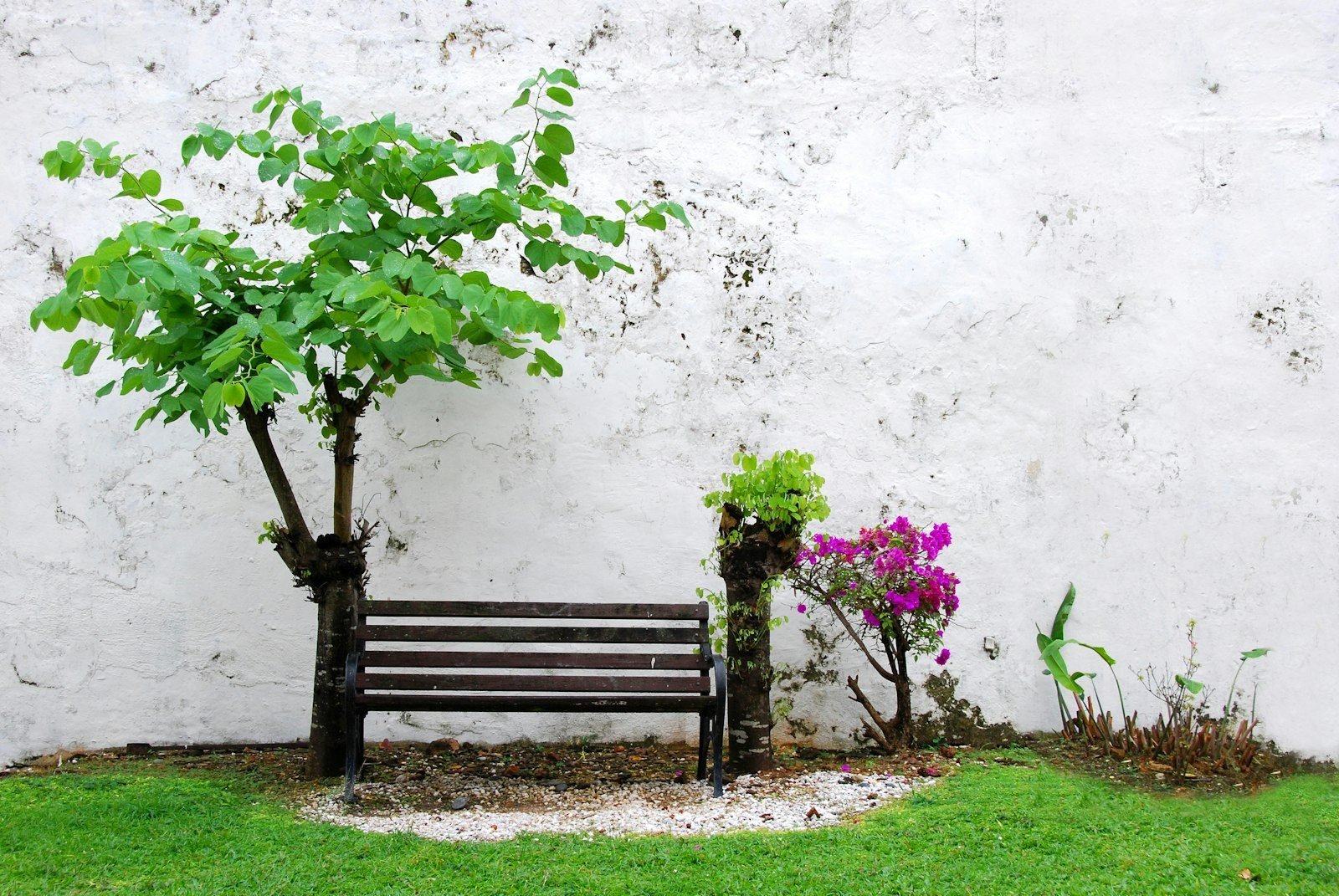
    Featured image: Photo: Elifin Realty / Unsplash
  • Small Garden Ideas: Simple, Practical Tips for Any Backyard

    Small Garden Ideas: Simple, Practical Tips for Any Backyard

    A small, simple garden is one of the quickest ways to make a home feel more welcoming, and the small garden ideas in this guide prove you do not need much room. A front setback, a side passage or a backyard of just a few square meters can hold plants, a path and even a bench for morning coffee outdoors.

    The secret is doing less, but doing it better: a few well-chosen species, materials that do not need constant upkeep and a layout that is easy to read. Below: how to plan the space, which paving and plants to use and a checklist to finish it all in a weekend.

    Start by assessing your space

    Before buying a single plant, spend a few days observing the area. Four questions settle most decisions:

    • How much sun does it get? Note whether direct sun arrives in the morning, in the afternoon or hardly ever. That defines which plants will work.
    • Is there soil, or only paving? Exposed ground allows planting beds; a concrete yard calls for pots, planters or raised beds.
    • How does water drain? Slow-drying puddles mean you need to fix drainage first.
    • How much time will you have for care? Be honest: a garden that needs daily watering does not suit someone who travels often.

    Think about who uses the space, too. Households with small children or pets need non-toxic plants and open room to move around. If you live alone or share your home with one other person, you might prioritize a reading nook or a small herb garden.

    Plan a simple layout

    In small areas, too many elements are the biggest problem. Divide the space into no more than three functions: a sitting spot, a path and a planting area. Leave the rest open, which also makes the garden feel larger.

    • Repeat plants: three or five plants of the same species grouped together make more impact than one of each kind.
    • Limit materials: one type of stone, one type of wood and one pot color are plenty.
    • Use the edges: beds placed against the walls free up the center and hide plain fences.
    • Create a focal point: a small tree, a large pot or a bench draws the eye and anchors the composition.

    When it comes to color, green is already the star. Pick one or two flower colors that complement the front of the house and repeat them in different spots. This creates unity and avoids the patchwork look of impulse buys.

    From a real-estate perspective, a well-designed yard, even a small one, makes a house look bigger and better cared for. It does not take much: order, healthy greenery and a clear path change that impression.

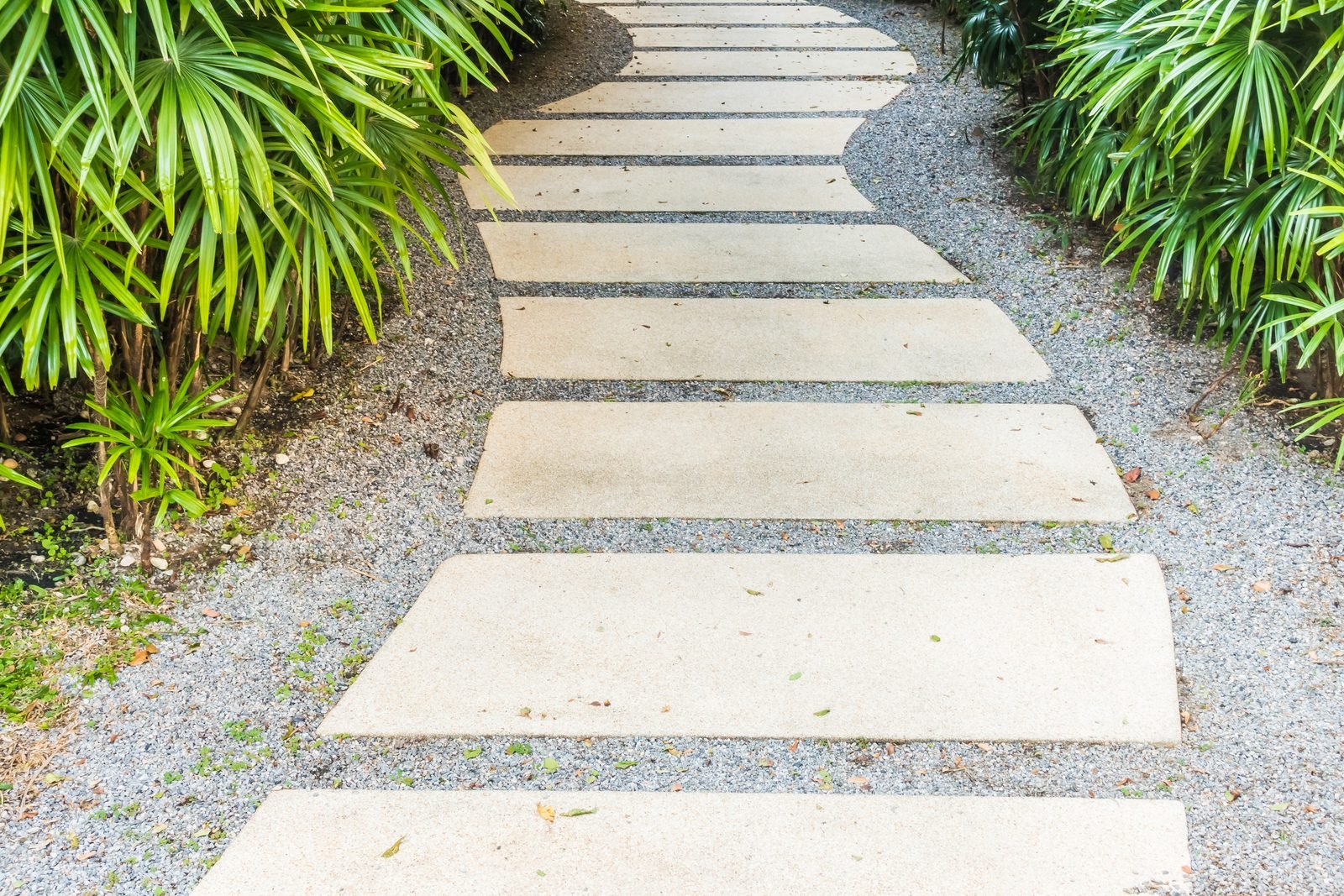
    Concrete stepping-stone path over gray gravel, lined with fine-leaved palms
    Stepping stones over gravel: a good-looking, low-maintenance path. Image: lifeforstock / Freepik

    Paving and materials that cut maintenance

    In a simple garden, the ground surface works as hard as the plants. Pea gravel and decorative crushed stone are inexpensive, drain rainwater well and give an instant finished look. Lay landscape fabric underneath to discourage weeds. Concrete or stone stepping stones set in gravel or grass create a firm path without sealing off all the soil.

    Grass is welcome, but only where you will actually walk or sit. It needs mowing, feeding and watering during dry spells, and that adds up. If you want a lawn, match the grass to the light. In warm climates, three common choices are:

    • Zoysia (Zoysia japonica): popular for sunny areas, with fine blades and a soft look.
    • Broadleaf carpetgrass (Axonopus compressus): wider blades and better performance than zoysia in partial shade.
    • Bahiagrass (Paspalum notatum): native to South America, it stands up to foot traffic but does not tolerate shade.

    In cooler regions, ask a local garden center which grass suits your light and climate. Where shade defeats every grass, use shade-loving ground covers or simply gravel and a few pots.

    Easy plants for a small garden

    Choose tough species with predictable growth that match the light in your space. Including plants native to your region is a smart strategy, because they tend to cope better with the local climate. Not every plant below is hardy everywhere, so check the label or ask a nursery whether it will survive your winters. Toxicity information follows the ASPCA (American Society for the Prevention of Cruelty to Animals) plant database.

    Plant Light Why it is worth it Watch out
    Bougainvillea (Bougainvillea) Full sun Abundant blooms; does well on a wall or in a large container Has thorns: keep it away from walkways
    Surinam cherry (Eugenia uniflora) Full sun Small tree with edible fruit Usually reaches 4–5 m (13–16 ft); leave room for the canopy
    Lady palm (Rhapis excelsa) Partial shade Elegant palm for corners and containers Non-toxic to dogs and cats
    Bromeliads (Neoregelia) Filtered light Colorful foliage all year Non-toxic; do not let water sit in the center for days
    Rosemary (Salvia rosmarinus) Full sun Fragrant and drought-tolerant Non-toxic
    Basil (Ocimum basilicum) Full sun An everyday kitchen herb Non-toxic; needs frequent watering
    Lavender (Lavandula) Full sun Fragrance and lilac flowers Toxic to dogs and cats
    Snake plant (Dracaena trifasciata) Sun to partial shade Needs very little water Toxic to dogs and cats

    Lavender contains linalool and linalyl acetate, which can cause nausea and vomiting in pets. Snake plant contains saponins, linked to vomiting and diarrhea. If you have pets, choose the non-toxic options or keep these species where animals cannot reach them.

    If there is room for a tree, it will be the most striking feature of the garden. Choose a small species and plant it at a safe distance from walls, sidewalks and pipes; if in doubt, ask the nursery or a landscape designer how its roots behave. Over the years, its canopy will also cast more shade on the plants beneath it.

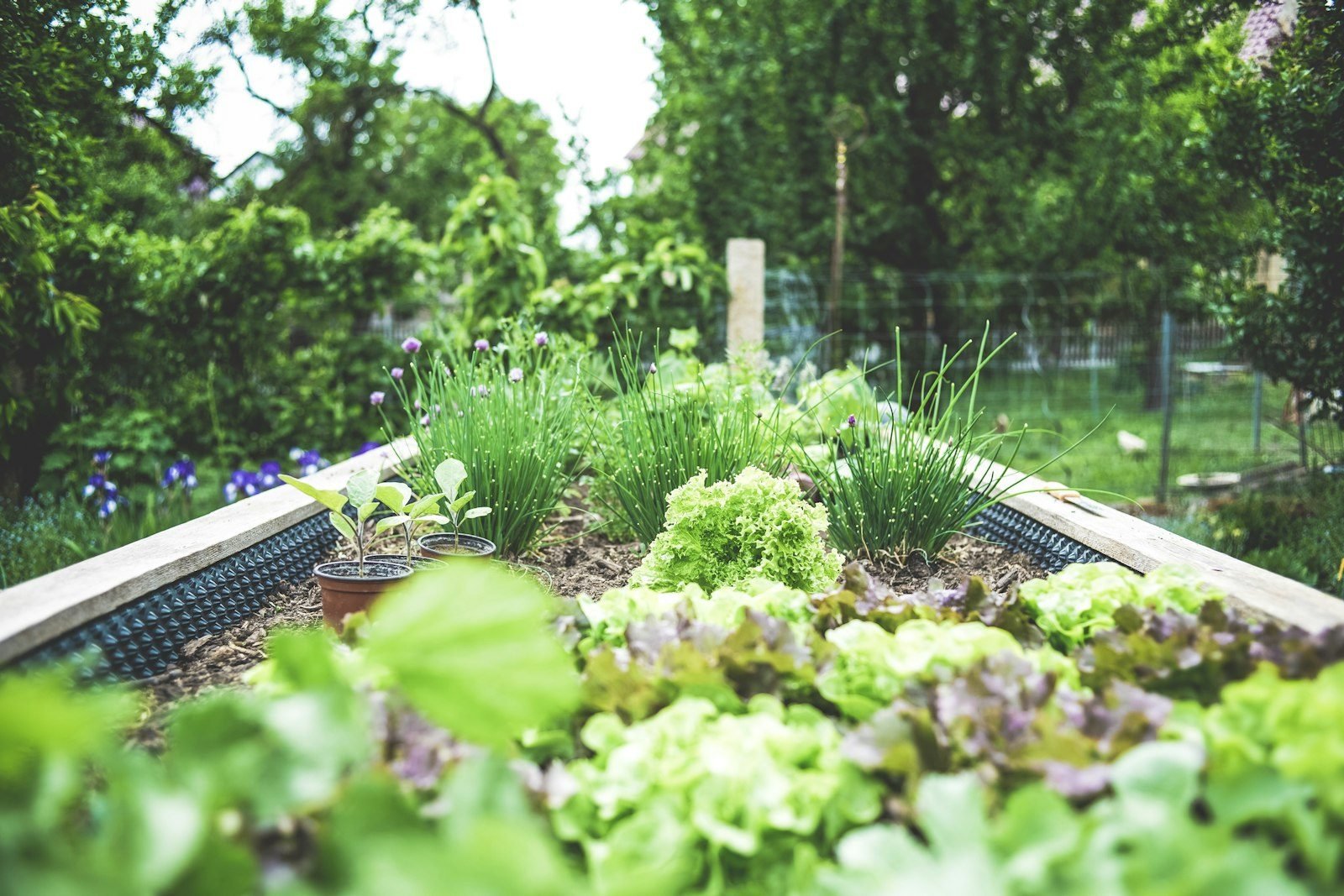
    Wooden raised bed with lettuce and chives in a backyard
    A raised bed with salad greens and herbs. Photo: Markus Spiske / Unsplash

    Pots, planters and raised beds

    If the ground is fully paved, or you would rather not break up concrete, containers are the answer. Large pots hold moisture longer than several small ones and keep the arrangement cleaner. Make sure they have drainage holes and add a drainage layer before the potting mix.

    Raised beds in treated wood or masonry save you from bending down and are a tidy home for a small herb garden. Group plants by their water needs: basil and chives (Allium schoenoprasum) together, rosemary in its own pot, since it prefers drier soil. Note that chives are also listed as toxic to dogs and cats by the ASPCA.

    If you run out of horizontal space, use the walls. A vertical garden takes greenery upward without using floor space. If all you have is a balcony, our guide to balcony plants covers species that handle wind and sun.

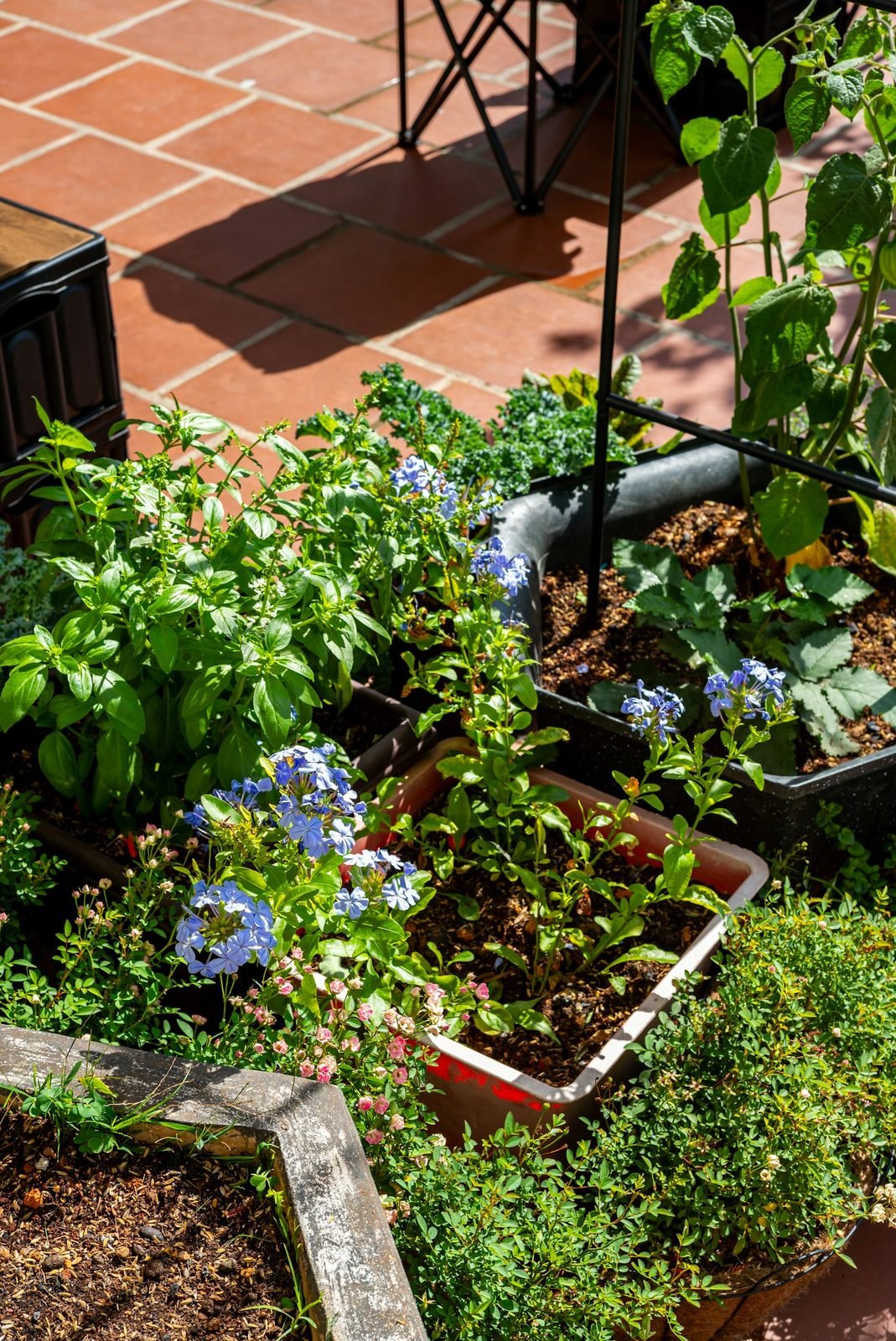
    Planters with basil and blue flowers on a reddish tiled floor
    Planters bring a garden to paved areas. Photo: Khanh Do / Unsplash

    Checklist: your garden ready in a weekend

    • Clear the area, remove debris and pull weeds out by the roots.
    • Fix spots where water pools before you plant.
    • Mark the path, planting bed and sitting area on the ground with string or a garden hose.
    • Lay landscape fabric and spread gravel over the areas without plants.
    • Prepare the beds with enriched soil, or fill the pots with good-quality potting mix.
    • Plant the larger elements first, such as a tree or shrubs, and then the smaller plants.
    • Water thoroughly on day one and keep an eye on the plants for the next few weeks.
    • If you want garden lighting, hire a licensed electrician for the wiring.

    Frequently asked questions

    What is the cheapest way to create a small garden?

    Combining gravel, a few large pots and hardy plants usually costs less than laying grass over the whole area. Prices vary by location and the materials you choose.

    Can I have a garden in a fully paved backyard?

    Yes. Pots, planters, raised beds and vertical structures let you grow plants without breaking up the paving, as long as the containers drain well.

    Which plants need the least maintenance?

    Once established, rosemary, snake plant and bougainvillea handle periods without water well. Lady palm and bromeliads are good options for partial shade.

    How do I stop weeds from growing between the stones?

    Use landscape fabric under the gravel and keep an even layer of stones. Pull any seedlings that appear by hand while they are still small.

    Wrapping up

    A small, simple garden comes from good choices, not from lots of things. Start with the basics, watch how the plants respond and add details little by little. To plan the outdoor space of your whole home, read our guide to home landscape design. And tell us in the comments what your space is like: we would love to swap ideas.

    Featured image: Photo: Hikari Graf / Unsplash

  • Home Landscape Design: A Guide to Planning Your Garden

    Home Landscape Design: A Guide to Planning Your Garden

    Home landscape design goes far beyond picking pretty flowers. It brings together plants, paths, lighting and water so that the outdoor space around your home is pleasant, functional and easy to maintain for years. A good plan takes into account the local climate, the routine of the people who live there and the style of the architecture.

    Whether you have a front setback, a large backyard or an entertaining area with a pool, the principles are the same. This guide covers the stages of a project, plant layering, lawns and paving, plants adapted to your region, lighting and maintenance.

    What a landscape design project includes

    Think of the garden as another room of the house, with a floor, “walls,” furniture and light. In landscaping, living and built elements take on those roles:

    • Planting: trees, shrubs, ground covers, climbers and lawns.
    • Hardscape: paths, decks, low walls, pergolas, planting beds and reflecting pools.
    • Infrastructure: drainage, water points for irrigation and lighting circuits.
    • Furniture: benches, chairs, planters and objects that invite you to use the space.

    A landmark reference is Brazilian landscape architect Roberto Burle Marx, one of the first designers to use his country’s native plants in his projects. The site where he gathered his plant collection, in Barra de Guaratiba, Rio de Janeiro, was named a UNESCO World Heritage Site in 2021. The lesson for any home, anywhere: celebrate the flora of your own region.

    There is also a practical side. To anyone familiar with the real-estate market, the front yard is a property’s first impression, and a well-designed garden signals care before anyone steps inside.

    The stages of a home landscape design project

    With a landscape designer or on your own, following this order avoids rework and wasted money:

    1. Site survey: lot measurements, the sun’s path through the day, soil type, spots that flood, neighboring buildings and existing trees.
    2. Wish list: what the household wants to do in the garden. Entertain friends, play with the kids, grow vegetables, create a quiet corner for two or a safe space for pets.
    3. Concept sketch: a rough plan showing how the areas are divided, the paths and where the main elements go.
    4. Plant and material selection: plants that suit the light and climate, and paving suited to how it will be used and how it drains.
    5. Installation: infrastructure and hardscape first, then trees and shrubs, and finally ground covers and lawn.
    6. Maintenance: a simple plan for watering, pruning and feeding ensures the design matures as intended.

    If you want to plant a tree on the sidewalk or curb strip, check with your city first. Many local authorities publish urban tree guides with recommended species and planting rules.

    Layering: trees, shrubs and ground covers

    Gardens that look natural usually follow a layered logic, just like a forest. Trees form the tallest layer and set the shade and scale. Shrubs add volume, separate areas and screen walls. Ground covers and perennials blanket the soil, protect it from erosion and create the transition to the lawn or paving.

    A few composition rules:

    • Group plants of the same species in drifts instead of scattering single specimens.
    • Mix textures: large leaves next to fine foliage create contrast and depth.
    • Place the tallest plants at the back of the beds and the shortest at the front.
    • Respect each species’ mature size so you will not have to pull plants out in a few years.

    On small lots, the same logic works at a smaller scale; see our small garden ideas.

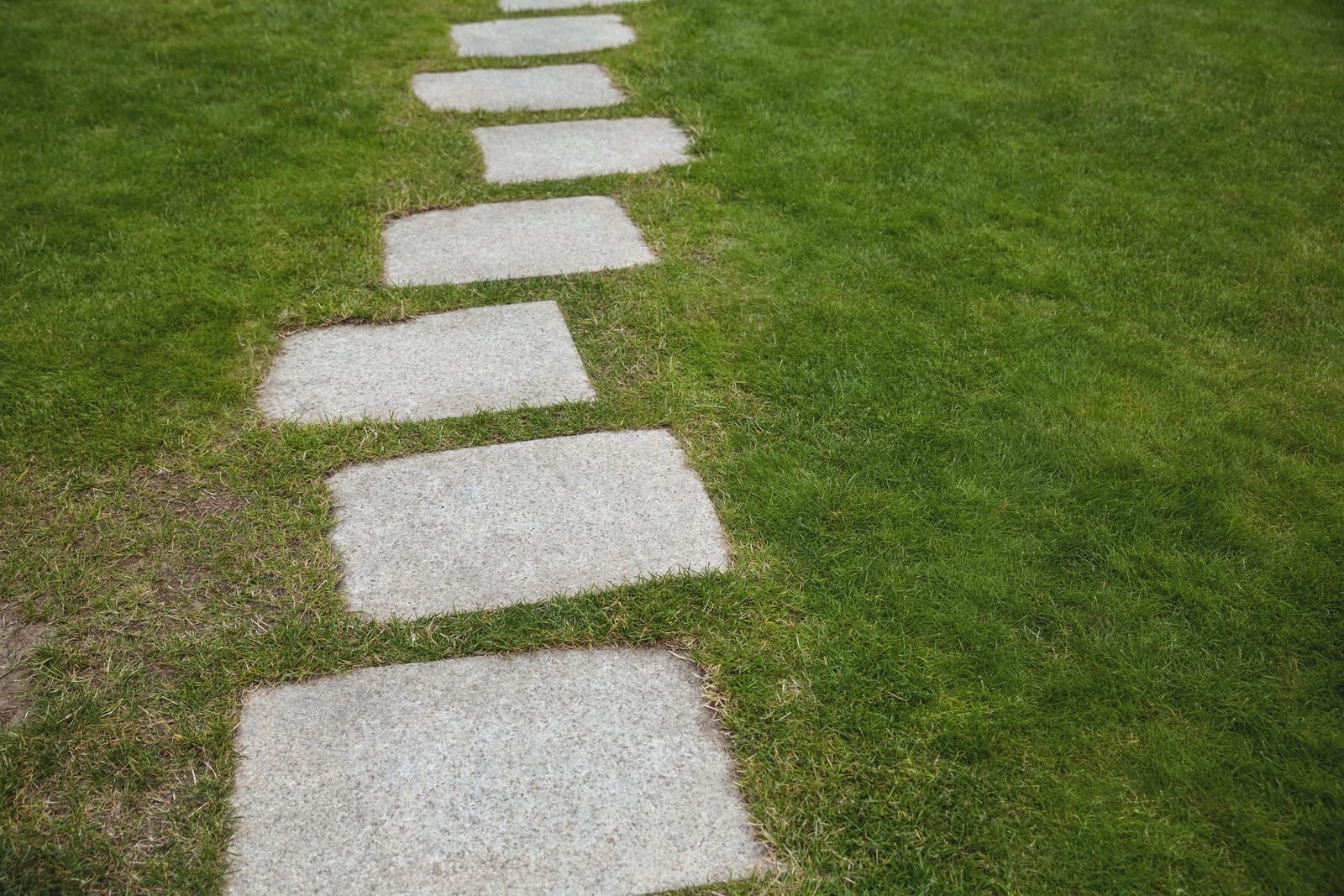
    Concrete stepping-stone path across a green lawn
    Stepping stones across the lawn mark the path without sealing the soil. Image: awesomecontent / Freepik

    Paths, paving and lawns

    Paths guide both the eye and foot traffic. Stepping stones set in grass or gravel are an elegant solution that keeps the soil permeable, helping rainwater soak in. In high-traffic areas, such as the route from the driveway to the front door, choose continuous, slip-resistant paving.

    The lawn should cover only the areas where it will really be used. The right grass depends on light and climate. In warm climates, three common options are:

    • Zoysia (Zoysia japonica): widely used in sunny areas, it forms a fine, even carpet.
    • Broadleaf carpetgrass (Axonopus compressus): with wider blades, it performs better than zoysia in partial shade.
    • Bahiagrass (Paspalum notatum): native to South America, it handles foot traffic well but does not tolerate shade.

    In cooler regions, a local garden center can recommend grasses suited to your winters.

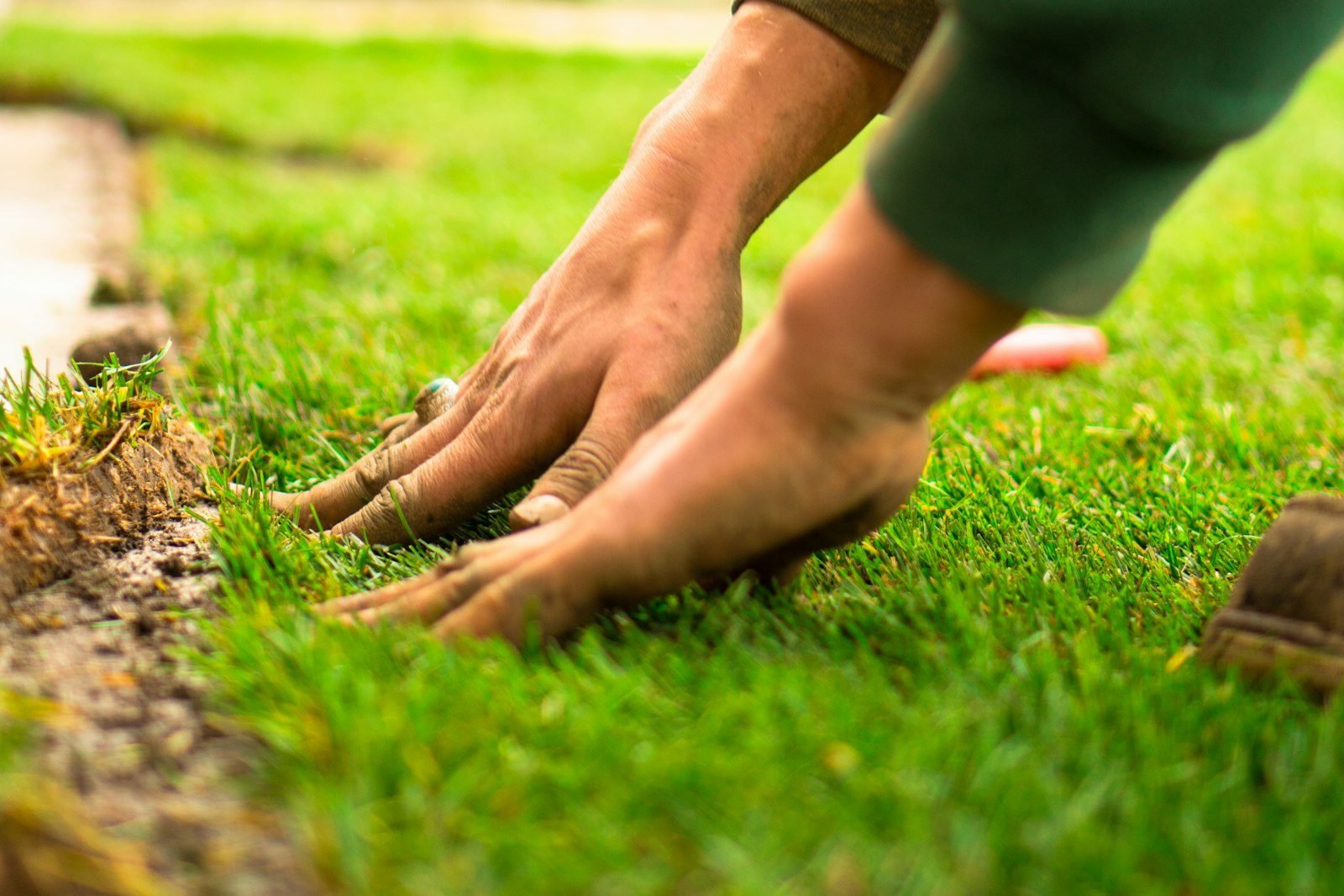
    Hands laying a fresh piece of sod on prepared soil
    Sod laid on well-prepared soil takes root faster. Photo: FRAEM GmbH / Unsplash

    Plants for your region and pet-safe choices

    Species native to your region tend to adapt better to the local climate and attract birds and pollinators, so ask a local nursery which ones fit your project. It is just as important to check toxicity when children or animals share the space. The table below lists some common options and warnings, with toxicity data from the ASPCA (American Society for the Prevention of Cruelty to Animals) plant database.

    Plant Role in the design Light Notes
    Surinam cherry (Eugenia uniflora) Small fruit tree Full sun Usually reaches 4–5 m (13–16 ft)
    Bougainvillea (Bougainvillea) Walls, pergolas, fences Full sun Has thorns
    Bromeliads (Neoregelia) Colorful ground cover under trees Partial shade Non-toxic to dogs and cats
    Mistletoe cactus (Rhipsalis) Trailing from tree trunks and hanging baskets Partial shade R. cassutha is non-toxic
    Lady palm (Rhapis excelsa) Clumps in corners and containers Partial shade Non-toxic to dogs and cats
    Sago palm (Cycas revoluta) Sculptural focal point Full sun Highly toxic: can cause liver failure and death in animals
    Dumb cane (Dieffenbachia) Shade foliage Partial shade Toxic: intense mouth irritation
    Snake plant (Dracaena trifasciata) Borders and containers Sun to partial shade Toxic: vomiting and diarrhea

    The sago palm deserves special attention. The entire plant is toxic, with the highest concentration in the seeds, and the ASPCA lists vomiting, bleeding, liver damage and death among the signs of poisoning. In homes with dogs or cats, the wisest choice is to skip this species.

    For walls and facades with no ground space, a vertical garden can complement the design and bring epiphytes such as bromeliads and mistletoe cactus up to eye level.

    Lighting, water and maintenance

    Lighting extends the use of the garden into the evening and highlights textures. Path lights mark walkways, upward-facing spike lights showcase trees and wall sconces light up seating areas. Use fixtures designed for outdoor use, with a water and dust protection (IP) rating suited to the location, and always hire a licensed electrician for the installation. To go deeper, read our guide to home lighting design.

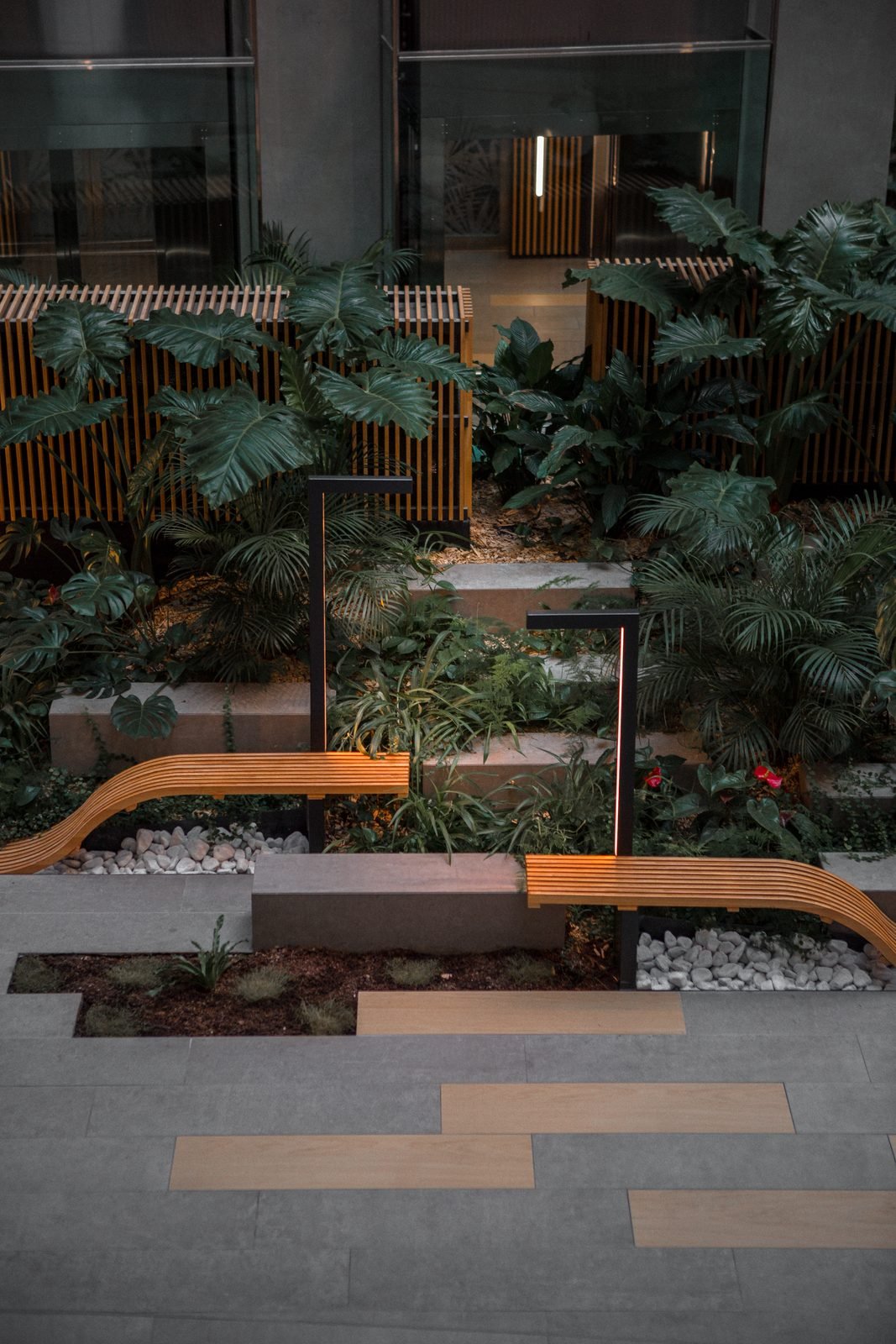
    Planting beds with tropical foliage, a wooden bench and low garden lights
    Low lighting and benches built into the beds invite evening use. Image: valentinlacoste / Freepik

    For irrigation, group plants with similar water needs. Drip irrigation works well in beds and containers; sprinklers are better suited to lawns. A timer helps you water during the cooler hours of the day and prevents waste.

    Finally, set up a maintenance routine with this simple checklist:

    • Weekly: check soil moisture, adjust watering to the season and remove dry leaves.
    • Monthly (or more often in summer): mow the lawn to the height recommended for the grass and look for signs of pests.
    • Every season: prune for cleanup and shaping, feed the beds and check drippers and light fixtures.

    A new garden takes time to fill in; consistent care is what brings it to the result you imagined.

    Frequently asked questions

    Do I need to hire a landscape designer?

    It is not required, but a professional helps you avoid mistakes in plant selection, drainage and scale, especially in larger areas or projects with a pool and lighting.

    How much does a home landscape design project cost?

    The price varies with your location, the size of the area, the materials and the complexity. Ask for detailed quotes that separate design, plants, materials and labor.

    When is the best time to plant?

    It depends on your climate. Where there is a distinct rainy season, planting at its start helps new plants take root and reduces the need for watering. Where rainfall is spread throughout the year, you can plant almost any time with supplemental watering. If your winters are cold, ask a local nursery about the best window.

    How do I make my garden safe for pets?

    Avoid toxic species such as sago palm, dumb cane and snake plant, favor options like lady palm and bromeliads and check every plant before you buy it.

    Wrapping up

    Good home landscape design balances beauty, everyday use and maintenance you can actually keep up with. Start with the site survey, favor plants adapted to your climate and move forward in stages. Tell us in the comments about the biggest challenge in your garden, and take a moment to explore other guides on the blog.

    Featured image: Photo: Sean Foster / Unsplash