

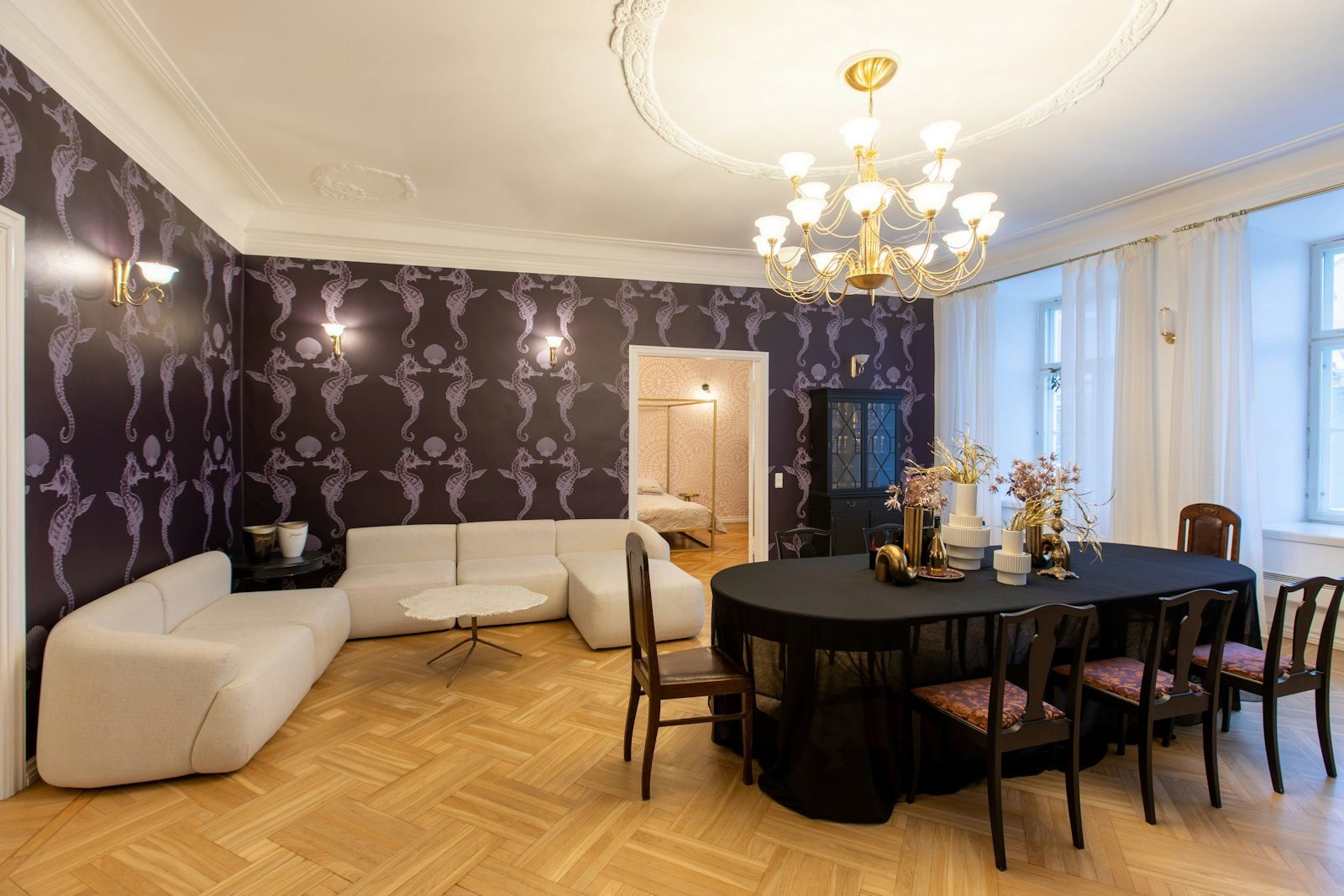
Few updates change a room as quickly as wallpaper. If you are collecting living room wallpaper ideas, the good news is that a plain wall can gain color, texture or a bold motif in a single weekend and start telling a story about the people who live there. Unlike a renovation, the job is fairly clean and, in many cases, reversible.
The challenge is that the living room is the most visible space in the home. It hosts guests, holds the TV and the sofa, and often the dining table too. That is why the choice should take into account the wall itself, the scale of the pattern, natural light and how everything works with your furniture. Here is a practical roadmap to help you decide with confidence.
Why wallpaper works so well in the living room
Living rooms tend to have wide, continuous walls, which lets a pattern shine: the design shows up in full instead of being interrupted by windows, closets or doors every few feet. It is also a social space where you spend shorter stretches of time, so it is a good place to take a little more risk than in a bedroom, where rest comes first.
A few more reasons to consider it:
- Personality without construction: wallpaper can often replace large artwork or custom wall paneling.
- Visual correction: stripes, textures and colors can make a space feel taller, wider or warmer.
- Easier change: when your style evolves, the paper can be removed and replaced without breaking anything.
If you are also thinking about the bedrooms, take a look at our guide to bedroom wallpaper ideas, which walks through how to estimate rolls and includes an installation checklist.
Which wall should you cover?
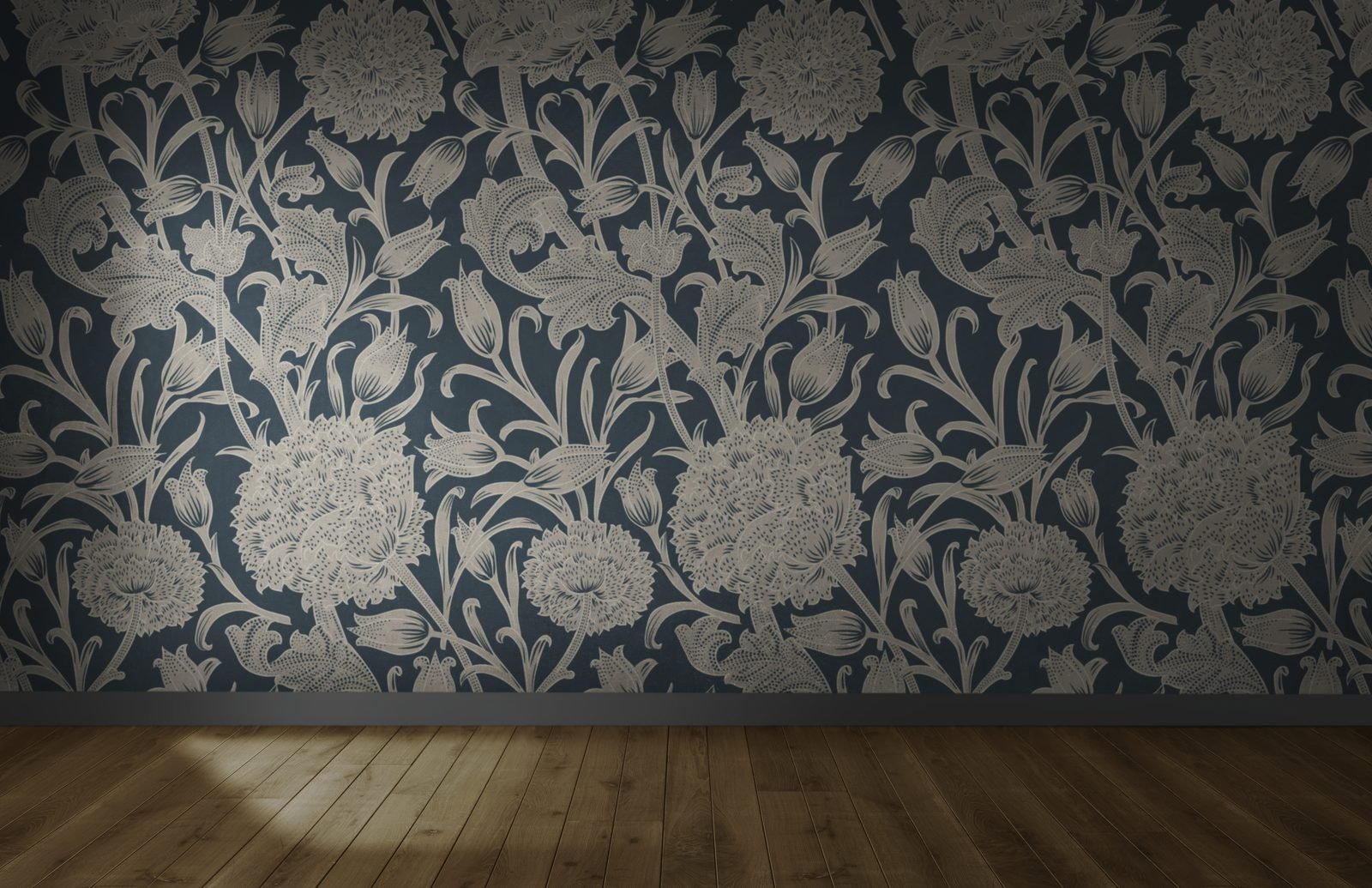
In most living rooms, the best choice is a single accent wall. It creates a clear focal point and keeps the room from feeling busy. These are the most common options:
The wall behind the sofa
This is the most natural candidate. The sofa acts as a base for the pattern, and the paper can stand in for a gallery wall. Go for medium or large motifs, since this wall is usually seen from across the room.
The TV wall
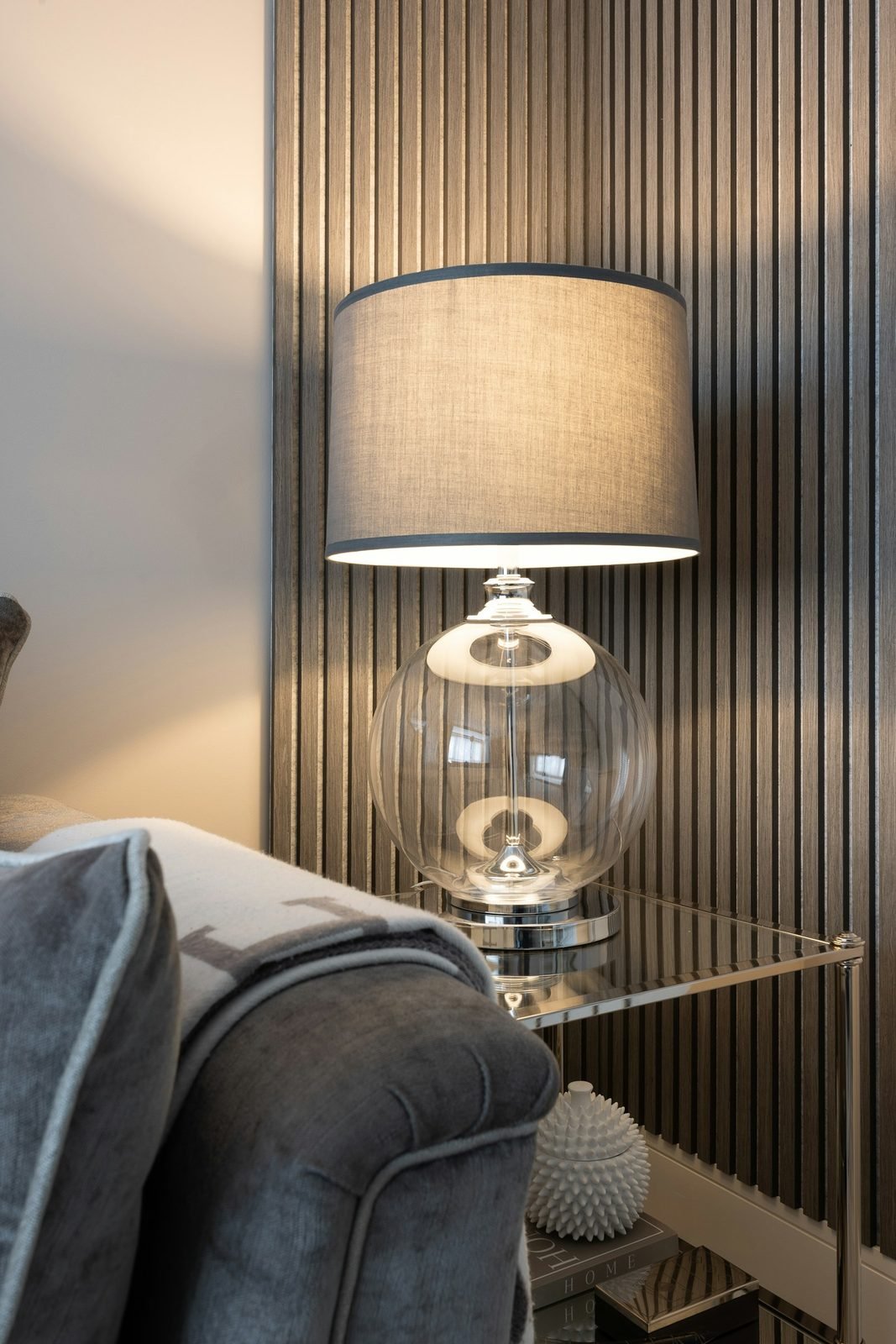
Here the rule is restraint. High-contrast patterns behind a screen compete with the picture and tire the eyes. Subtle textures, linen or concrete effects, or a dark slatted look work better because they frame the TV without fighting for attention.
The dining wall
In open-plan spaces, papering only the wall by the table helps separate the zones visually. It is an easy way to define areas without adding walls or dividers.
Ceilings and niches
If you want to be daring, wallpaper on the ceiling or at the back of a bookcase adds depth and a sense of surprise. It works best with higher ceilings and softer patterns.
Pattern and scale: where most regrets begin
The most common mistake is not the design itself but its size in relation to the wall. Some practical pointers:
- Large walls can handle big motifs such as florals, foliage and damask. Patterns that are too small turn into visual noise when seen from a distance.
- Narrow or broken-up walls call for smaller designs, stripes or plain textures.
- Geometric prints suit contemporary and industrial rooms, but they need straight, even walls, because any misalignment shows.
- Textures (linen, grasscloth, concrete, wood) are the safest bet if you are unsure, or if the room already has a patterned rug or cushions.
A useful tip: order a sample, or buy a single roll first, and tape it to the wall for a few days. Look at it in morning light, afternoon light and at night. Your impression can change a lot over the course of a day.
Color: tying the wallpaper into the rest of the room
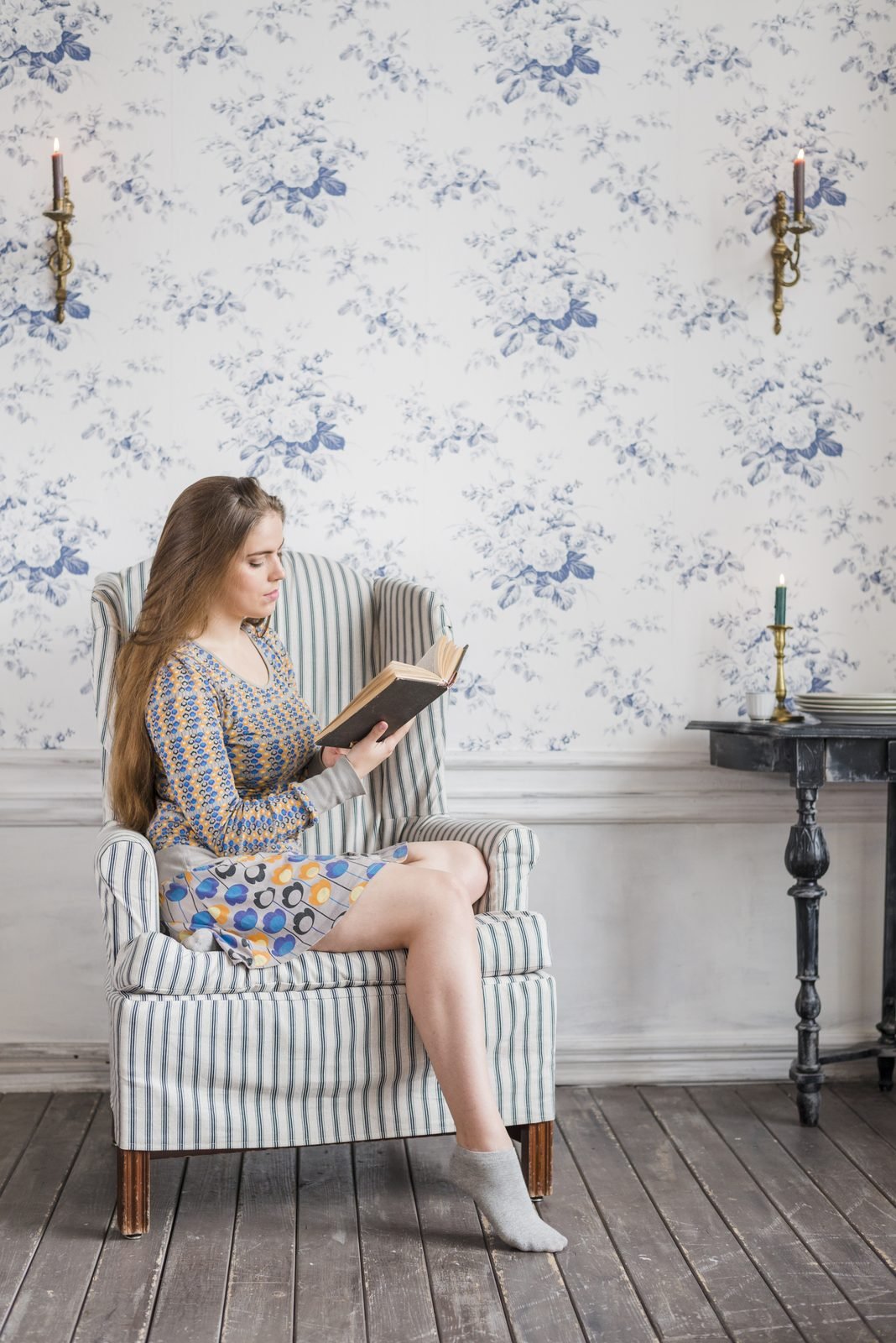
Wallpaper needs to work with your flooring, sofa and curtains. A simple method is to choose the paper based on a color that already exists in the room, such as a cushion, a rug or a painting. That way, the wallpaper looks like part of the plan rather than an afterthought.
Dark backgrounds such as deep teal, forest green and aubergine make a living room feel cozy and refined, especially when there is good natural light. Light backgrounds with delicate motifs open up the space and suit Scandinavian and romantic styles. For more palette inspiration, see our living room color ideas.
Wallpaper in a small living room
A small living room can absolutely have wallpaper, as long as you are strategic. Choose one wall only, favor light or mid-tone backgrounds and avoid very strong contrast. Vertical stripes help emphasize ceiling height, while horizontal stripes make a room feel wider. Patterns with plenty of breathing room, where the background shows between the motifs, feel lighter than dense prints.
It also helps to pair the paper with slim furniture, exposed legs and mirrors. Our guide to small living room ideas has more tips for making a compact space feel bigger.
Types of wallpaper and which to choose
| Type | Pros | Watch out for | Best for |
|---|---|---|---|
| Vinyl | Durable; can usually be wiped with a damp cloth | Less breathable; the wall must be completely dry | Homes with kids, pets or heavy use |
| Paper (cellulose) | Natural matte finish; often more affordable | Stains more easily; should not get wet | Low-contact walls |
| Non-woven | Easy to hang and remove; paste goes on the wall | Quality varies a lot between brands | People who like to change things often |
| Peel-and-stick | No paste needed; practical for renters | May lift on uneven or damp walls | Rentals, niches and smaller areas |
| Textured (embossed, linen, grasscloth) | Hides minor flaws and adds a refined look | Collects more dust; clean with a duster or vacuum brush | TV walls and accent walls |
Prices vary by region, brand and finish. Roll sizes also differ between markets and manufacturers, so always check the dimensions on the label before you calculate, and buy a little extra to allow for pattern matching.
Lighting changes everything
Wallpaper and light work as a team. Textures and embossed finishes come alive under grazing light from wall sconces or LED strips mounted near the top of the wall. Metallic prints sparkle under directional spotlights, but they can reflect too much if the light hits them head-on. In darker rooms, choose neutral to warm bulbs so colors do not look cold and flat.
It is worth planning the lighting together with the wallpaper rather than as an afterthought. If the project involves new electrical outlets or fixtures, hire a licensed electrician.
Checklist before you buy
- Is the wall dry, sound and free of mold or leaks?
- Have you tested a sample at different times of day?
- Does the pattern scale suit the size of the wall?
- Does the color work with the floor, sofa, rug and curtains?
- Have you measured the wall and checked the roll size on the label?
- Are all rolls from the same batch, to avoid shade differences?
- If you rent, do your lease and landlord allow it?
On that last point: anyone who works with real estate knows that a quick conversation up front prevents headaches when you move out. If in doubt, removable peel-and-stick wallpaper is usually the stress-free option.
Frequently asked questions
Does living room wallpaper go out of style?
Prints tied closely to a single trend may feel dated sooner. Textures, classic florals and stripes tend to age better. And because wallpaper can be removed, changing it is simpler than redoing textured paint or tile.
Can I wallpaper every wall in the living room?
You can, but the result looks more balanced with soft patterns or subtle textures. Bold designs on all four walls tend to make a room feel crowded, especially a small one.
How do I clean living room wallpaper?
It depends on the material. Vinyl usually tolerates a lightly damp cloth, while paper and textured wallcoverings need a duster or a vacuum with a soft brush. Always follow the manufacturer’s instructions.
Does wallpaper work in a living room that opens to the kitchen?
Yes, as long as the paper stays away from the stove and areas with steam and grease. Use it on the living or dining wall to define the different zones.
Final thoughts
The right wallpaper gives your living room a clear identity without a messy renovation. Start with an accent wall, get the pattern scale right, test the color in real light and pick a material that fits your household’s routine. Have you tried wallpaper in your living room? Tell us how it turned out in the comments.
Featured image: Photo: Baubauwall Wallpapers / Unsplash
Leave a Reply