

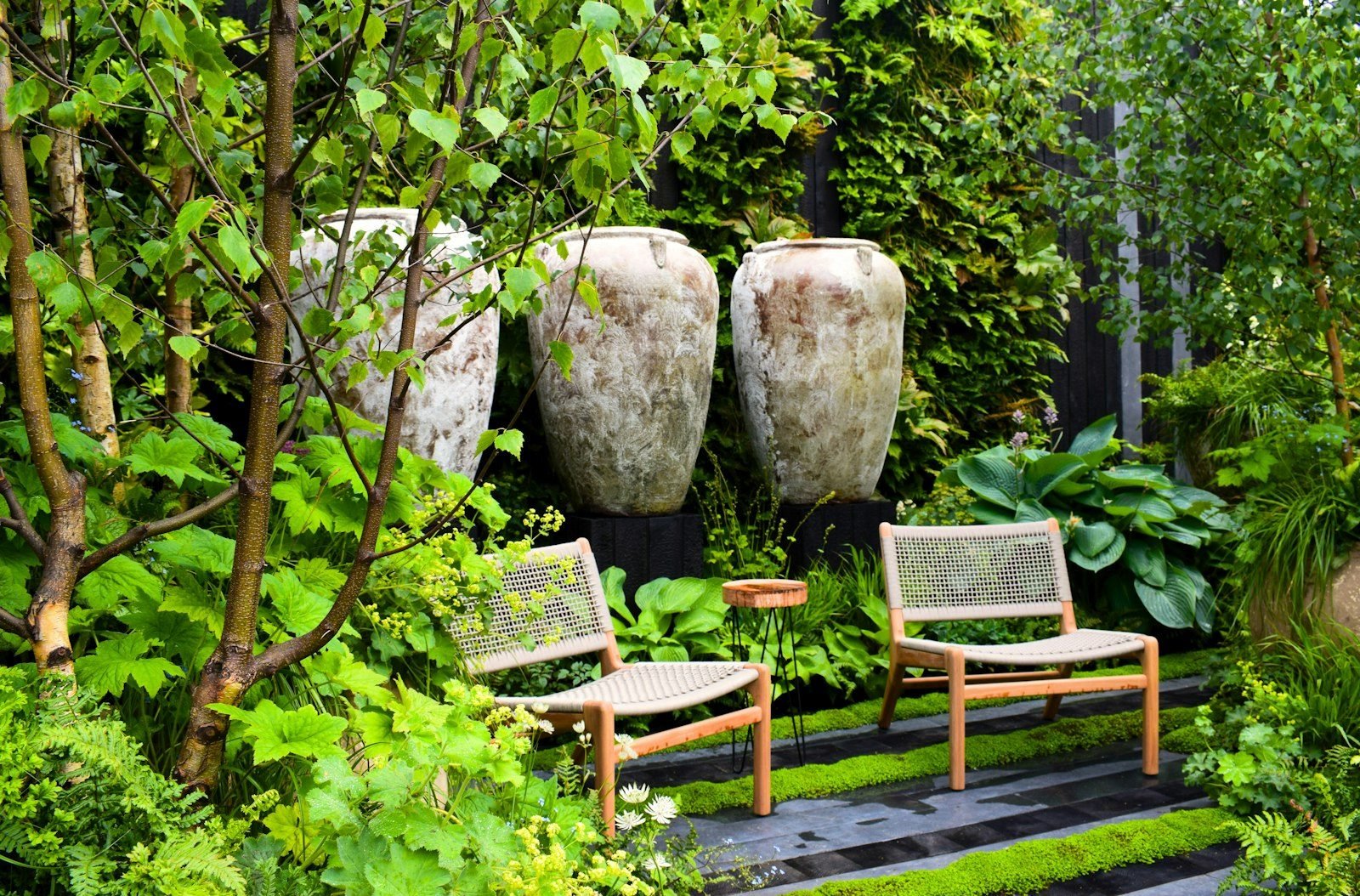
Almost every home has that one spot that seems impossible to brighten up with greenery: the hallway far from any window, the backyard corner hemmed in by a neighbor’s wall, the north-facing balcony. The good news is that there are shade plants that don’t just survive in these places but actually look better there than they would in strong sun.
In this guide, you’ll learn how to identify the type of light in each space, meet varieties that thrive indoors and in the garden, get the basics of watering and potting mix right, and find out which options are safer if you share your home with cats, dogs or small children.
What “shade plant” really means
A shade plant is not a plant that lives in the dark. What changes is the intensity of light it prefers: shade-loving species evolved on the forest floor, protected by the tree canopy, so they like filtered light and tend to scorch when they get several hours of direct sun.
It helps to separate three situations that often get mixed up:
- Partial shade: the spot gets a few hours of direct sun, ideally the gentler morning sun, and bright light for the rest of the day.
- Bright shade (indirect light): no direct sun reaches the spot, but the space is bright, close to a window with a sheer curtain or under a translucent roof.
- Full or deep shade: little natural light all day long, like interior hallways and enclosed covered areas. Only a few species cope well here, and growth is slow.
A simple test helps: around midday, hold your hand about 12 inches (30 cm) above the spot where the plant will go. If your hand casts a crisp shadow, there’s sun or strong light; if the shadow is soft with blurry edges, it’s indirect light; if there’s barely any shadow at all, the light is too low for most plants, and a grow light may be worth considering.
Shade plants for indoors
If you’ve read our guide to the best plants for apartments, you already know classics like the ZZ plant, pothos and snake plant. Here are other options that love filtered light and bring different textures to your decor.
Boston fern (Nephrolepis exaltata)
Full and feathery, it’s perfect on tall plant stands and in hanging baskets. It likes indirect light, potting mix that stays slightly moist and more humid air. The ASPCA lists the Boston fern as non-toxic to dogs and cats.
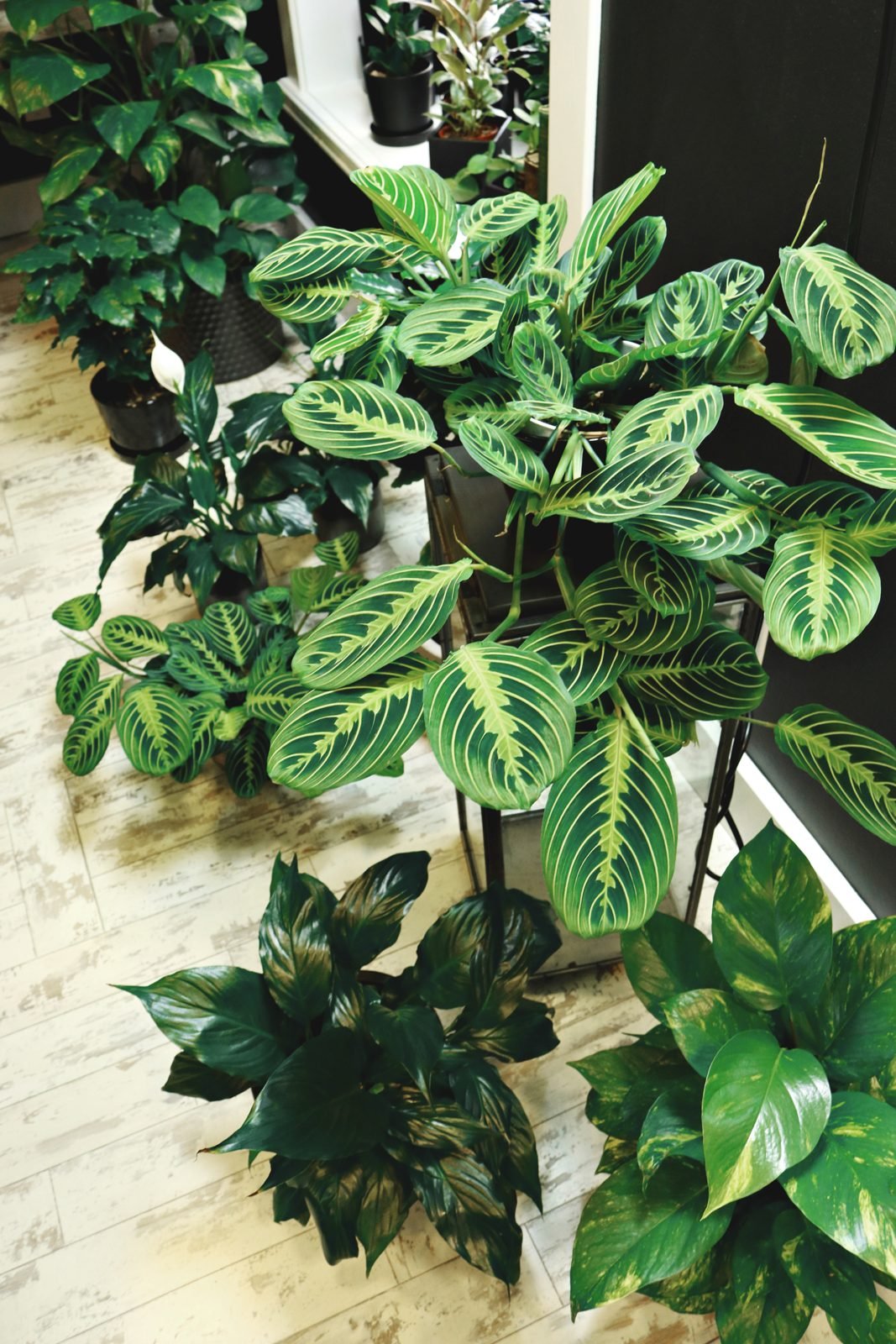
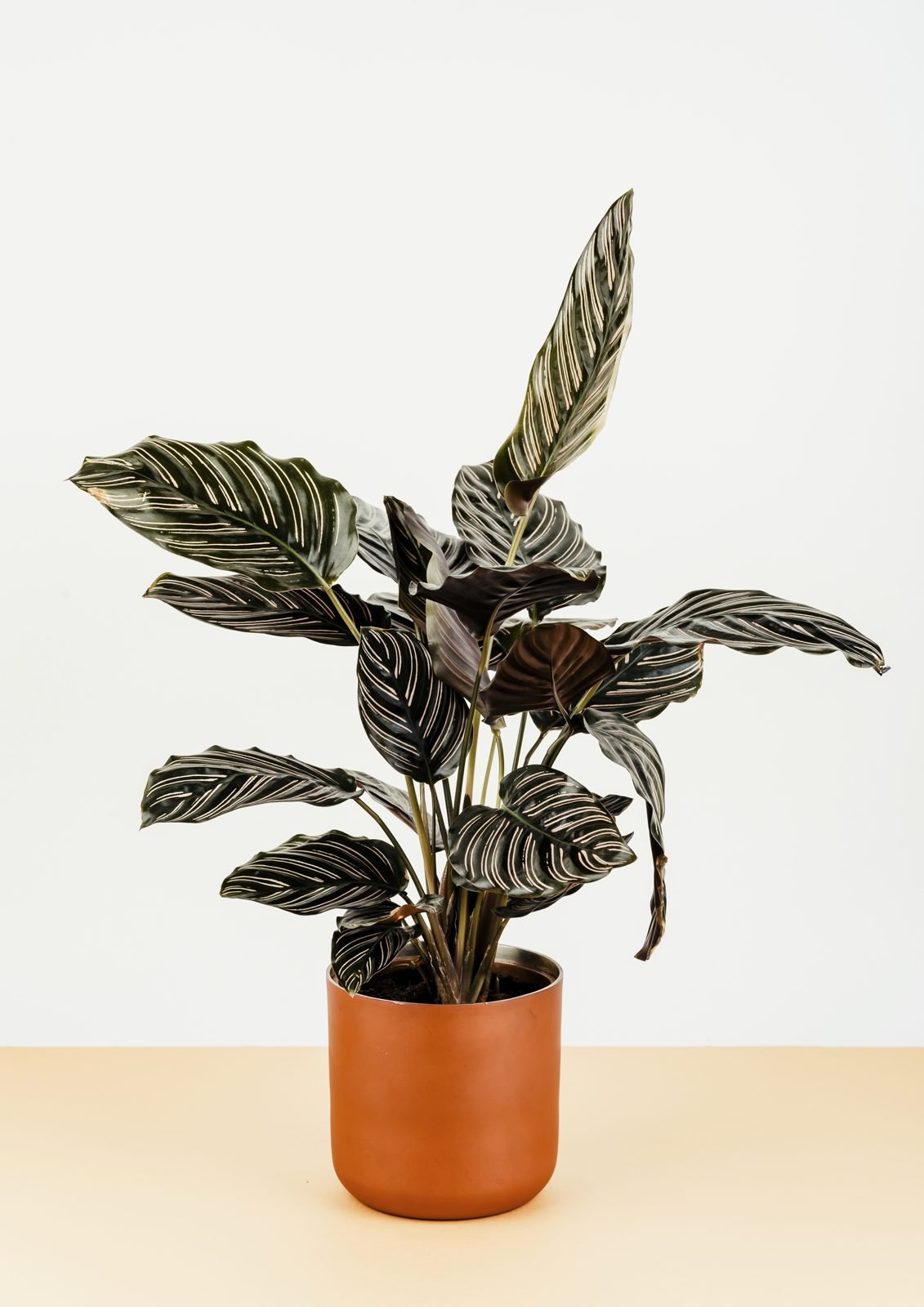
Prayer plants and calatheas (Maranta and Calathea)
These are the plants with patterned leaves, featuring stripes, spots and shades of pink or burgundy. They prefer indirect light and consistent moisture (never soggy), and they don’t tolerate direct sun, which fades their markings. According to the ASPCA, prayer plants and calatheas are non-toxic to pets.
Chinese evergreen (Aglaonema spp.)
Very hardy, it accepts low light and infrequent watering. Varieties with dark green leaves tolerate less light than pink or red ones, which need a brighter room to keep their color. Note: it contains calcium oxalate crystals and is toxic to dogs and cats, according to the ASPCA.
Peperomias (Peperomia spp.)
Compact, with fleshy leaves, they’re great for shelves, nightstands and desks. Because they store water in their leaves, they need only moderate watering. The watermelon peperomia, one of the most popular, appears on the ASPCA list as non-toxic.
Lady palm (Rhapis excelsa)
If you want a larger plant with an indoor-tree presence, the lady palm is one of the palms that handles indirect light best. The ASPCA lists it as non-toxic.
Plants for shady gardens and backyards
Outdoors, shade usually comes from tall walls, neighboring buildings or large trees. Instead of a lawn and sun-loving flowers, go for foliage in layers.
- Ground cover and edging: hardy ferns and spider plants (Chlorophytum comosum, non-toxic to pets according to the ASPCA) cover the soil and soften pathways.
- Mid-height: anthuriums (Anthurium andraeanum) bring red, pink or white blooms even without direct sun. They are toxic to pets, so place them away from where animals usually play.
- Color without flowers: foliage begonias and calatheas in pots add splashes of color to a bed. Begonias are toxic to dogs and cats, with the highest concentration of irritating compounds in the underground parts.
- Focal point: a lady palm in a large pot, a wooden bench or a ceramic piece gives the space structure.

If your outdoor space is compact, combine these ideas with our small garden ideas, which show how to plan low-maintenance paving and beds. And for balconies that only get sun for part of the day, our guide to balcony plants helps you decide what goes in each corner.
Quick reference: light, water and pet safety
| Plant | Ideal light | Watering | Pets (ASPCA) |
|---|---|---|---|
| Boston fern | Indirect light | Keep mix slightly moist | Non-toxic |
| Prayer plant / calathea | Indirect light | Consistently moist, never soggy | Non-toxic |
| Chinese evergreen | Low to medium light | When the top of the mix dries out | Toxic |
| Peperomia | Indirect light | Moderate | Non-toxic |
| Lady palm | Indirect light | Moderate | Non-toxic |
| Anthurium | Partial shade or indirect light | Regular, with good drainage | Toxic |
| Begonia | Partial shade | Regular, keep leaves dry | Toxic |
| Spider plant | Partial shade or indirect light | Moderate | Non-toxic |
Even plants classified as non-toxic can cause stomach upset if an animal eats a large amount. If your pet or a child swallows any plant and shows symptoms, contact a veterinarian or a health service.
Watering, potting mix and feeding in the shade
The most common mistake with shade plants is overwatering. With less light, the plant grows more slowly, uses less water and the potting mix takes longer to dry out. The result is root rot, yellow leaves and fungus gnats in the pot.
- Finger test: before watering, push your finger about 1 inch (2 to 3 cm) into the mix. For most species, water only if it’s dry at that depth; ferns and prayer plants prefer that it never dries out completely.
- Drainage: use pots with holes and don’t leave standing water in the saucer, which also prevents mosquitoes.
- Potting mix: light blends with coco coir or pine bark hold moisture without compacting.
- Fertilizer: slow growth means lower needs. Feed lightly in spring and summer, following the dose on the label, and stop in winter.
How to decorate with shade plants
A few ideas that work well:
- Hallways and entryways: a tall lady palm or Chinese evergreen at the end of a hallway adds depth.
- Bathrooms with a window: ferns and prayer plants enjoy the humidity from the shower, as long as there’s some natural light.
- Bedrooms: peperomias on a nightstand or shelf bring in greenery without taking up space.
- Group arrangements: grouped plants create a more humid microclimate and look better in odd numbers, with varied heights and textures.
Checklist: before you bring a shade plant home
- I did the hand test and know whether the spot has partial shade, indirect light or deep shade.
- I chose the species for the available light, not just for its looks.
- I checked toxicity because there are pets or small children at home.
- The pot has drainage holes and the saucer doesn’t collect water.
- I set up a routine of checking the potting mix before watering.
Frequently asked questions
What is the easiest shade plant to care for?
Among the plants in this guide, the Chinese evergreen and the lady palm are among the most forgiving of watering mistakes and low light. If you have pets, choose the lady palm or peperomias, which the ASPCA considers non-toxic.
Can a shade plant live in a room with no windows?
With no natural light at all, the plant weakens over time. In that case, use a grow light for a few hours a day or rotate the plant, moving it to a brighter spot from time to time.
Why are the tips of my Boston fern turning brown?
Most of the time, it’s dry air, underwatering or too much wind or air conditioning. Keep the potting mix slightly moist, move the pot away from drafts and group it with other plants.
Can shade plants take any sun?
Many of them tolerate a short spell of gentle morning sun. Strong afternoon sun, however, tends to scorch or fade the leaves, especially on prayer plants, calatheas and ferns.
Conclusion
Once you’ve read the light correctly, any shady corner can come to life. Start with one or two varieties, watch how they respond and grow your collection little by little. Tell us in the comments which corner of your home you want to transform, and take a look at our other plant guides for every type of space.
Featured image: Photo: Tadhg McInerney / Unsplash
Leave a Reply