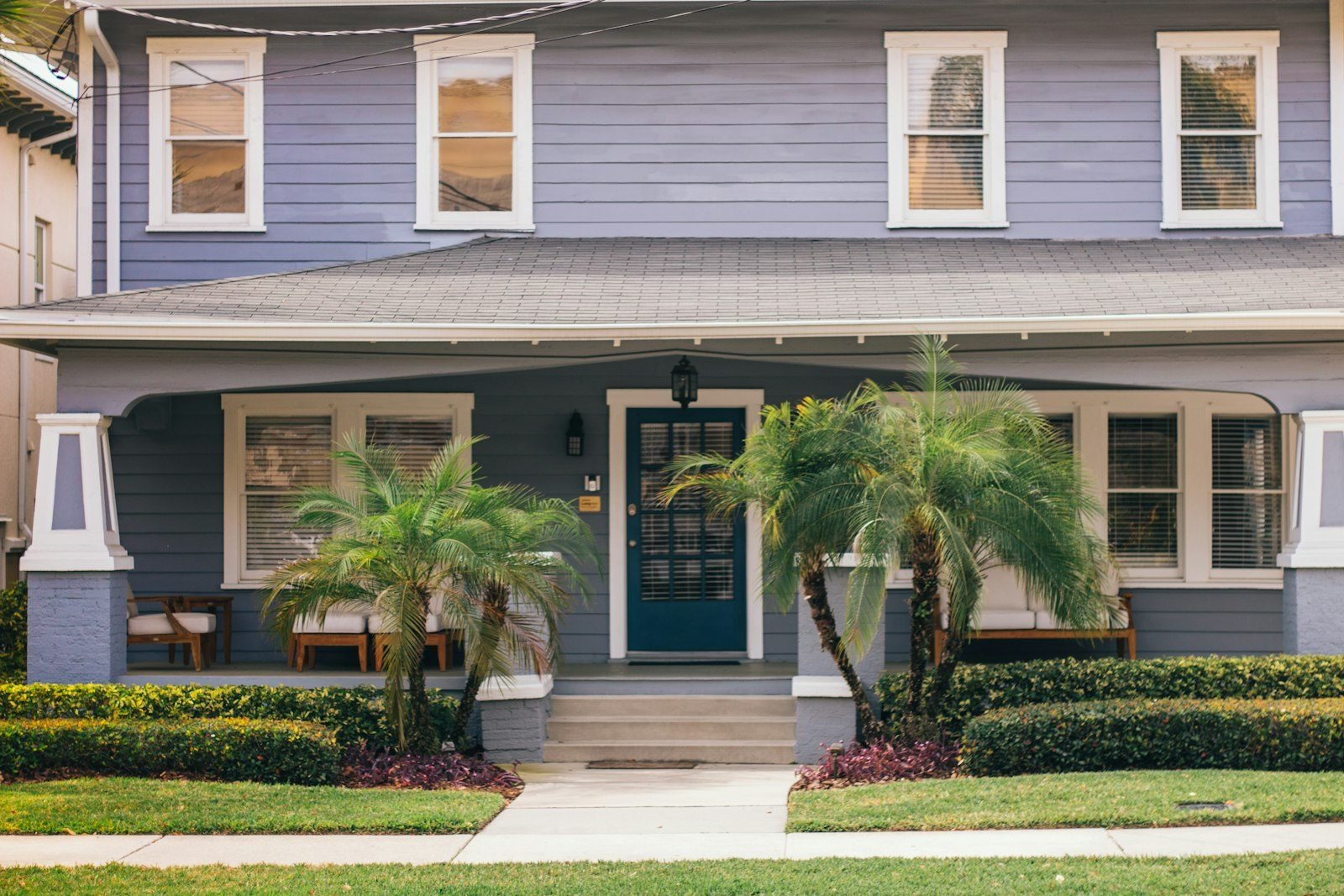
Home landscape design goes far beyond picking pretty flowers. It brings together plants, paths, lighting and water so that the outdoor space around your home is pleasant, functional and easy to maintain for years. A good plan takes into account the local climate, the routine of the people who live there and the style of the architecture.
Whether you have a front setback, a large backyard or an entertaining area with a pool, the principles are the same. This guide covers the stages of a project, plant layering, lawns and paving, plants adapted to your region, lighting and maintenance.
What a landscape design project includes
Think of the garden as another room of the house, with a floor, “walls,” furniture and light. In landscaping, living and built elements take on those roles:
- Planting: trees, shrubs, ground covers, climbers and lawns.
- Hardscape: paths, decks, low walls, pergolas, planting beds and reflecting pools.
- Infrastructure: drainage, water points for irrigation and lighting circuits.
- Furniture: benches, chairs, planters and objects that invite you to use the space.
A landmark reference is Brazilian landscape architect Roberto Burle Marx, one of the first designers to use his country’s native plants in his projects. The site where he gathered his plant collection, in Barra de Guaratiba, Rio de Janeiro, was named a UNESCO World Heritage Site in 2021. The lesson for any home, anywhere: celebrate the flora of your own region.
There is also a practical side. To anyone familiar with the real-estate market, the front yard is a property’s first impression, and a well-designed garden signals care before anyone steps inside.
The stages of a home landscape design project
With a landscape designer or on your own, following this order avoids rework and wasted money:
- Site survey: lot measurements, the sun’s path through the day, soil type, spots that flood, neighboring buildings and existing trees.
- Wish list: what the household wants to do in the garden. Entertain friends, play with the kids, grow vegetables, create a quiet corner for two or a safe space for pets.
- Concept sketch: a rough plan showing how the areas are divided, the paths and where the main elements go.
- Plant and material selection: plants that suit the light and climate, and paving suited to how it will be used and how it drains.
- Installation: infrastructure and hardscape first, then trees and shrubs, and finally ground covers and lawn.
- Maintenance: a simple plan for watering, pruning and feeding ensures the design matures as intended.
If you want to plant a tree on the sidewalk or curb strip, check with your city first. Many local authorities publish urban tree guides with recommended species and planting rules.
Layering: trees, shrubs and ground covers
Gardens that look natural usually follow a layered logic, just like a forest. Trees form the tallest layer and set the shade and scale. Shrubs add volume, separate areas and screen walls. Ground covers and perennials blanket the soil, protect it from erosion and create the transition to the lawn or paving.
A few composition rules:
- Group plants of the same species in drifts instead of scattering single specimens.
- Mix textures: large leaves next to fine foliage create contrast and depth.
- Place the tallest plants at the back of the beds and the shortest at the front.
- Respect each species’ mature size so you will not have to pull plants out in a few years.
On small lots, the same logic works at a smaller scale; see our small garden ideas.
Paths, paving and lawns
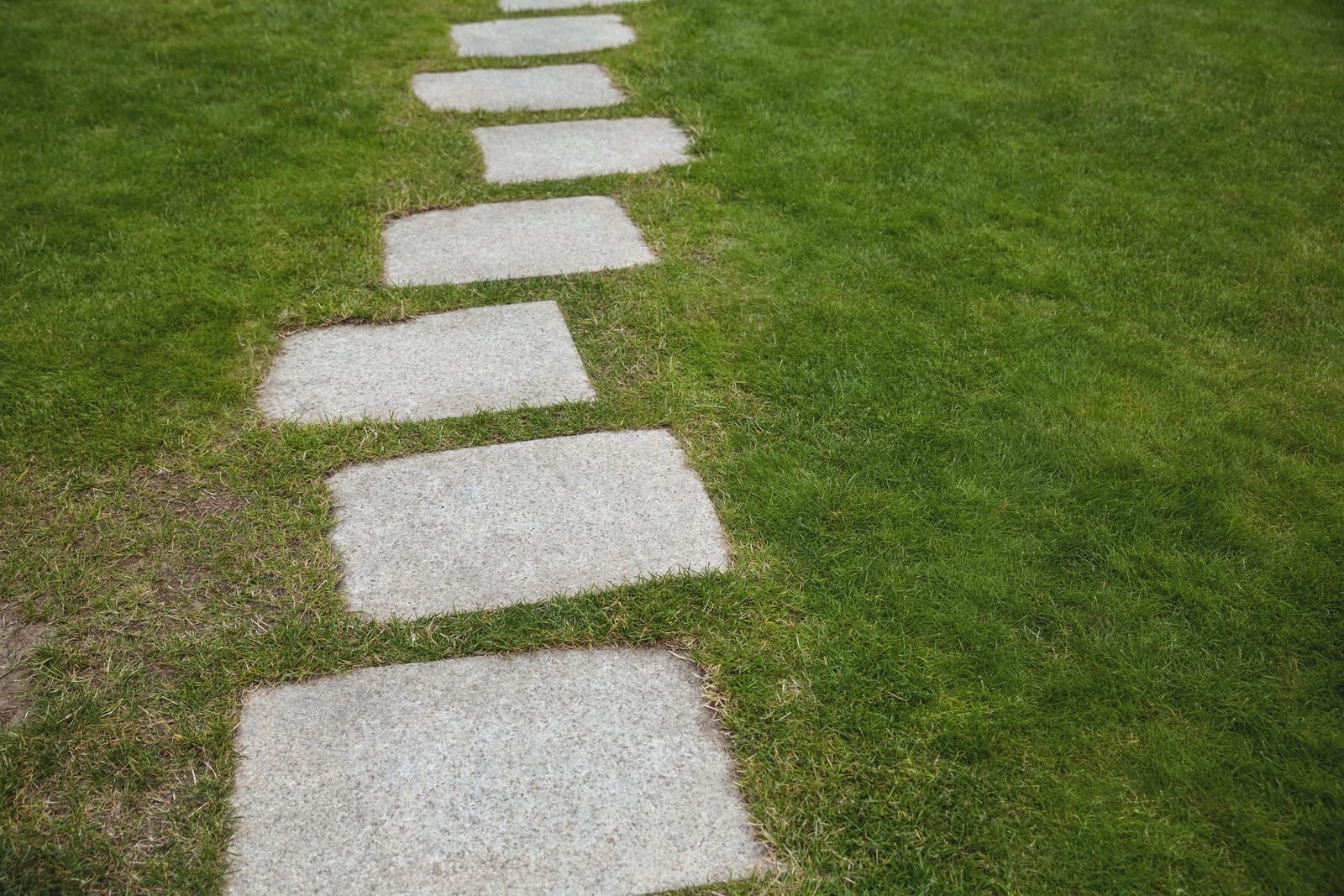
Paths guide both the eye and foot traffic. Stepping stones set in grass or gravel are an elegant solution that keeps the soil permeable, helping rainwater soak in. In high-traffic areas, such as the route from the driveway to the front door, choose continuous, slip-resistant paving.
The lawn should cover only the areas where it will really be used. The right grass depends on light and climate. In warm climates, three common options are:
- Zoysia (Zoysia japonica): widely used in sunny areas, it forms a fine, even carpet.
- Broadleaf carpetgrass (Axonopus compressus): with wider blades, it performs better than zoysia in partial shade.
- Bahiagrass (Paspalum notatum): native to South America, it handles foot traffic well but does not tolerate shade.
In cooler regions, a local garden center can recommend grasses suited to your winters.
Plants for your region and pet-safe choices
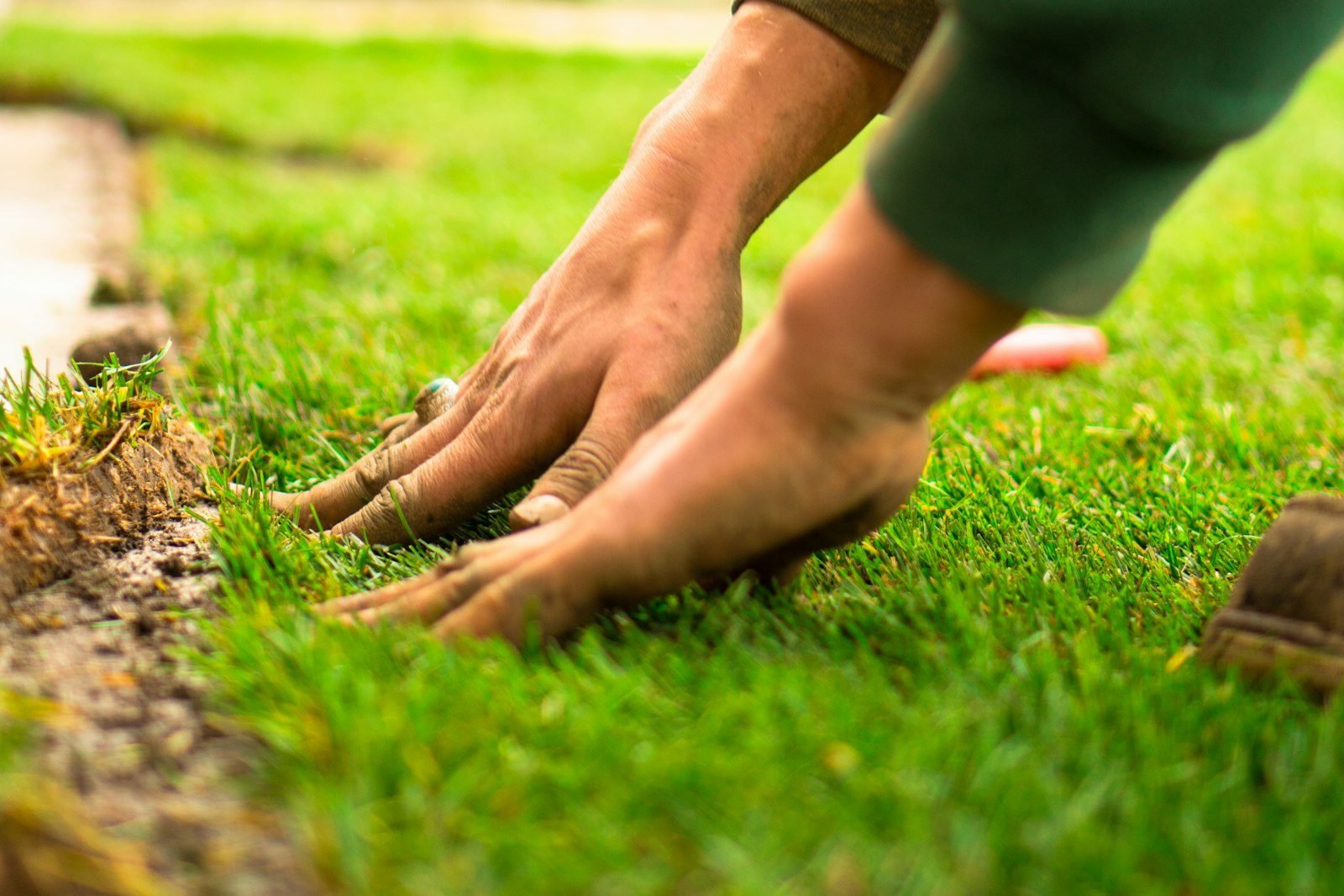
Species native to your region tend to adapt better to the local climate and attract birds and pollinators, so ask a local nursery which ones fit your project. It is just as important to check toxicity when children or animals share the space. The table below lists some common options and warnings, with toxicity data from the ASPCA (American Society for the Prevention of Cruelty to Animals) plant database.
| Plant | Role in the design | Light | Notes |
|---|---|---|---|
| Surinam cherry (Eugenia uniflora) | Small fruit tree | Full sun | Usually reaches 4–5 m (13–16 ft) |
| Bougainvillea (Bougainvillea) | Walls, pergolas, fences | Full sun | Has thorns |
| Bromeliads (Neoregelia) | Colorful ground cover under trees | Partial shade | Non-toxic to dogs and cats |
| Mistletoe cactus (Rhipsalis) | Trailing from tree trunks and hanging baskets | Partial shade | R. cassutha is non-toxic |
| Lady palm (Rhapis excelsa) | Clumps in corners and containers | Partial shade | Non-toxic to dogs and cats |
| Sago palm (Cycas revoluta) | Sculptural focal point | Full sun | Highly toxic: can cause liver failure and death in animals |
| Dumb cane (Dieffenbachia) | Shade foliage | Partial shade | Toxic: intense mouth irritation |
| Snake plant (Dracaena trifasciata) | Borders and containers | Sun to partial shade | Toxic: vomiting and diarrhea |
The sago palm deserves special attention. The entire plant is toxic, with the highest concentration in the seeds, and the ASPCA lists vomiting, bleeding, liver damage and death among the signs of poisoning. In homes with dogs or cats, the wisest choice is to skip this species.
For walls and facades with no ground space, a vertical garden can complement the design and bring epiphytes such as bromeliads and mistletoe cactus up to eye level.
Lighting, water and maintenance
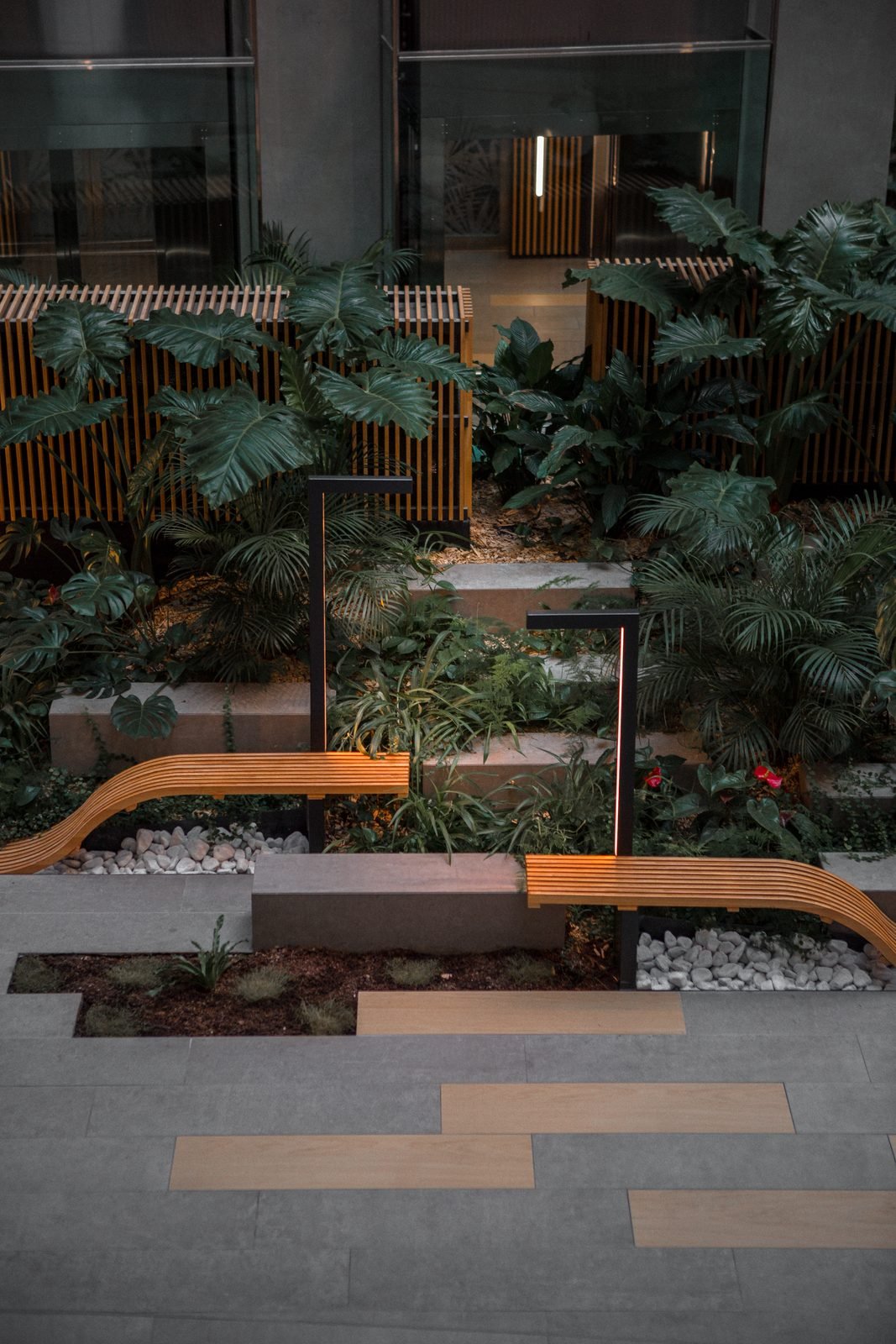
Lighting extends the use of the garden into the evening and highlights textures. Path lights mark walkways, upward-facing spike lights showcase trees and wall sconces light up seating areas. Use fixtures designed for outdoor use, with a water and dust protection (IP) rating suited to the location, and always hire a licensed electrician for the installation. To go deeper, read our guide to home lighting design.
For irrigation, group plants with similar water needs. Drip irrigation works well in beds and containers; sprinklers are better suited to lawns. A timer helps you water during the cooler hours of the day and prevents waste.
Finally, set up a maintenance routine with this simple checklist:
- Weekly: check soil moisture, adjust watering to the season and remove dry leaves.
- Monthly (or more often in summer): mow the lawn to the height recommended for the grass and look for signs of pests.
- Every season: prune for cleanup and shaping, feed the beds and check drippers and light fixtures.
A new garden takes time to fill in; consistent care is what brings it to the result you imagined.
Frequently asked questions
Do I need to hire a landscape designer?
It is not required, but a professional helps you avoid mistakes in plant selection, drainage and scale, especially in larger areas or projects with a pool and lighting.
How much does a home landscape design project cost?
The price varies with your location, the size of the area, the materials and the complexity. Ask for detailed quotes that separate design, plants, materials and labor.
When is the best time to plant?
It depends on your climate. Where there is a distinct rainy season, planting at its start helps new plants take root and reduces the need for watering. Where rainfall is spread throughout the year, you can plant almost any time with supplemental watering. If your winters are cold, ask a local nursery about the best window.
How do I make my garden safe for pets?
Avoid toxic species such as sago palm, dumb cane and snake plant, favor options like lady palm and bromeliads and check every plant before you buy it.
Wrapping up
Good home landscape design balances beauty, everyday use and maintenance you can actually keep up with. Start with the site survey, favor plants adapted to your climate and move forward in stages. Tell us in the comments about the biggest challenge in your garden, and take a moment to explore other guides on the blog.
Featured image: Photo: Sean Foster / Unsplash
Leave a Reply