
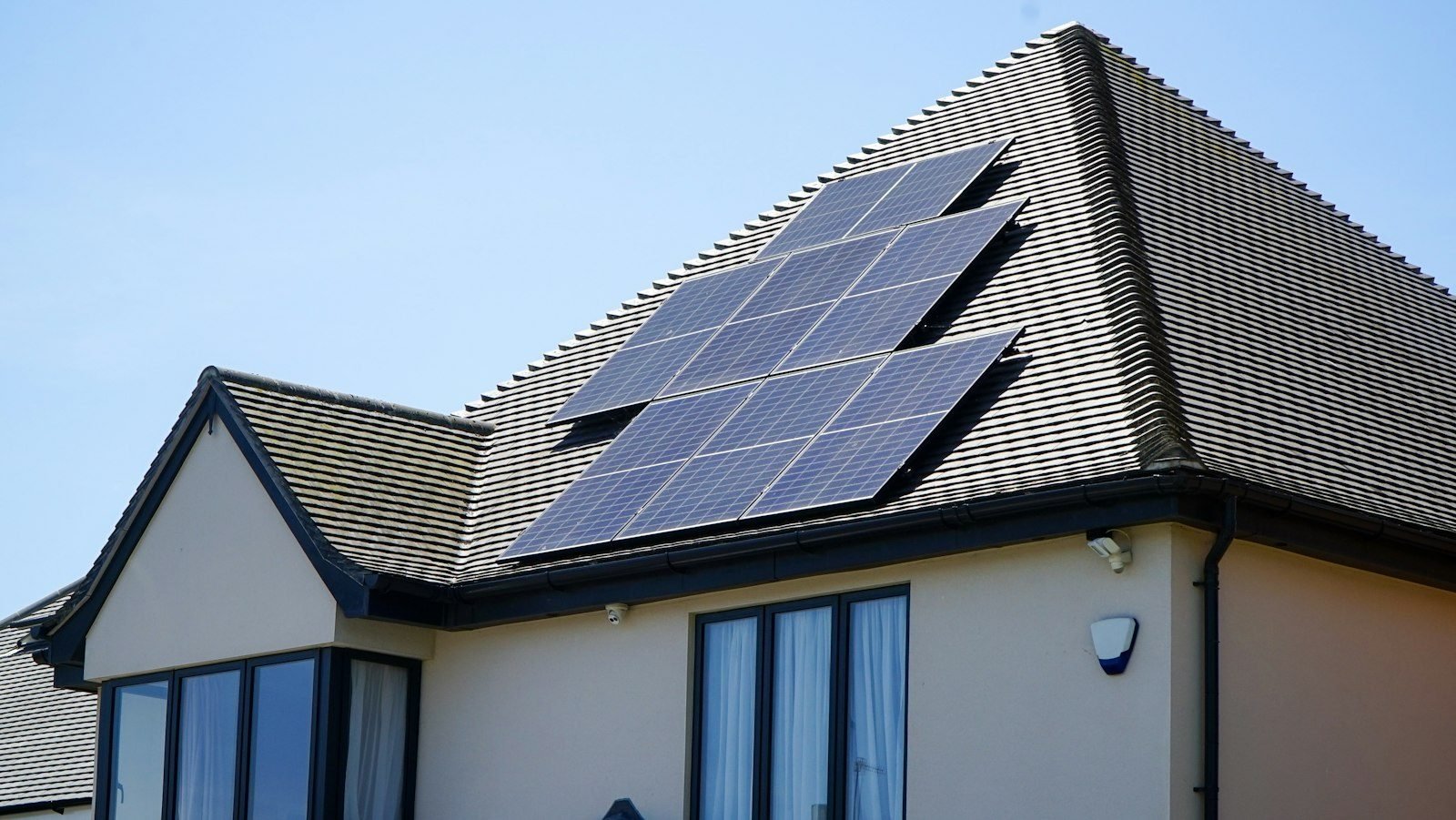
A home solar battery stores the electricity your panels make during the day so you can use it at night. The idea is simple, but the math does not always work out: the equipment is expensive, it is usually warrantied for less time than the panels, and in many setups it will not keep your lights on during a blackout.
This guide explains how a battery works, when it tends to make sense, how to read the specs and what to ask an installer. Figures come from consumer guides in other countries and are only a reference point, because prices and rules differ widely from place to place.
How a home battery works
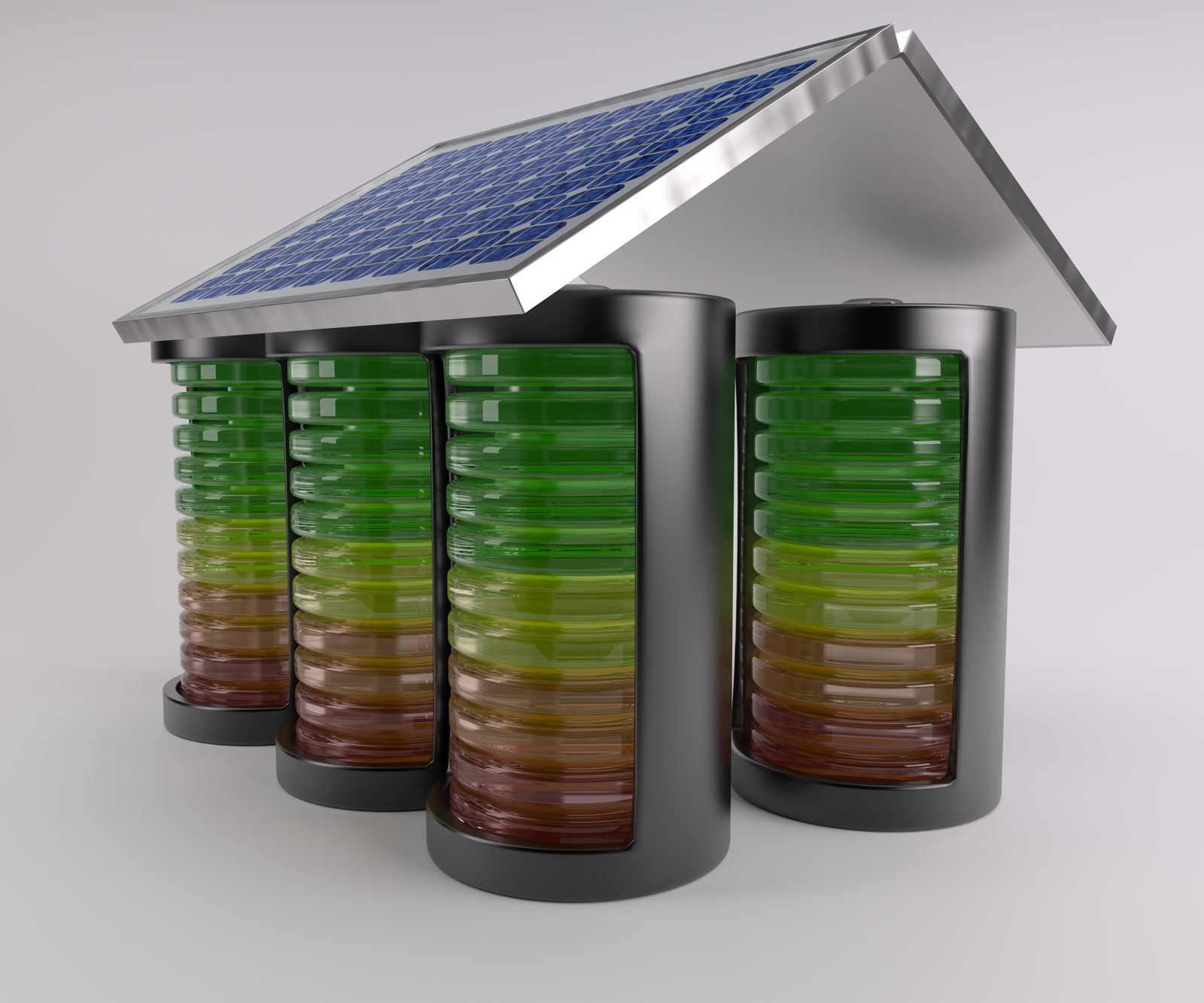
Without a battery, the surplus from your panels during the day flows to the grid, and you buy power back in the evening and overnight. With a battery, part of that surplus is stored and used once the panels stop producing. The battery connects through an inverter, and the system’s software decides when to charge and discharge.
Where time-of-use tariffs exist, some batteries can also charge from the grid when power is cheap.
When a battery tends to make sense
UK consumer group Which? says a battery tends to pay off most for people who are out during the day and so use little power while the panels generate. It also helps households on tariffs with different prices through the day. If you are home during the day and already use most of your solar output as it is made, the gain is usually small.
The value also depends on the gap between what you pay for grid power and what you are paid for the power you export. The less your utility pays for exports, the more a battery helps you use that energy at home. Check your local rules before running any numbers.
Capacity (kWh) vs. power (kW)
Two specs cause most of the confusion. Capacity, in kilowatt-hours (kWh), is how much energy the battery holds. Power, in kilowatts (kW), set mainly by the inverter, is how fast it can deliver that energy. Australia’s CHOICE gives a clear example: a 20 kWh battery with a 5 kW inverter stores a lot but can only supply 5 kW at a time. If an oven and a dryer run together and go past that limit, the rest comes from the grid.
Then there is usable capacity. According to CHOICE, lithium batteries can typically be discharged to about 80% to 90% of their nominal capacity, while lead-acid sits around 50% to 60%. Capacity also declines with age; the guide cites roughly 60% to 80% of the original by end of life for lithium.
Backup power: the most misunderstood point
Many people buy a battery expecting power during an outage. But in most grid-tied systems the inverter shuts down for safety when the grid fails, and the house goes dark even with a full battery. CHOICE explains that backup needs a specific, usually pricier inverter setup, and Which? heard from owners who were told at the sale that they would have backup and later found they did not.
If backup matters to you, ask in writing whether the system works without the grid, for how many hours and which circuits stay on. Save the charge for essentials, because pumps and heaters drain it fast. Consumer Reports cites estimates that a backup battery can carry a home’s essentials for about a day, depending on usage.
What it costs and how long it takes to pay back
Price varies by country, brand, size and installation, so treat the numbers below as orders of magnitude. Which? reports that in the UK installation typically starts above £2,000 and can approach £10,000. CHOICE, writing about the Australian market with a local federal incentive, recommends getting at least three quotes because prices, brands and configurations vary a lot.
| Factor | Why it changes payback |
|---|---|
| Grid electricity price | The pricier evening power is, the more a battery saves. |
| Pay for exported power | If the grid pays little for your surplus, storing it is worth more. |
| When you use power | Evening-heavy use favors a battery. |
| System type and software | AC or DC coupling and charging logic change efficiency. |
| Lifespan and warranty | Warranties often run about 10 years; you may replace the battery before the panels. |
The U.S. Department of Energy describes payback as net system cost divided by annual savings. For batteries, CHOICE shows how much results swing: in one example with an $8,500 (Australian dollars) installed battery, estimates ranged from about 6 years in one city to more than 20 in another because of local tariffs and climate. So ask your installer for a simulation based on your own usage history, not a generic average.
How to size a battery without overpaying
- Measure your nighttime use. Look at 12 months of bills or smart-meter data. CHOICE notes that for people who work away from home, a large share of usage (one example says about 70%) happens after dark.
- Confirm your panels can recharge it. An older or small array may not be able to run the house and fill the battery in one day. Compare average surplus, including low-sun months.
- Don’t try to cover every nighttime kWh. A smaller battery covering most evening use can offer better value.
- Think ahead. An electric car or more people at home raises usage; see our guide to home EV charger installation.
If your goal is simply a lower bill, see how home automation for beginners can shift usage first.

Safety, installation and warranty
Which? notes that a 2020 UK government review recorded few fires involving domestic lithium-ion storage, and that batteries must pass safety testing before sale. Location still matters: ventilation, spacing between units and firefighting access should be assessed by the installer, and extreme temperatures can reduce performance, according to CHOICE.
Hire a licensed, certified electrician, notify your utility where local rules require it, and be wary of pressure selling or quotes that drop quickly. Which? also flags the risk of a manufacturer or seller disappearing, citing GivEnergy, which entered administration in April 2026, and advises keeping contracts and receipts. Prefer brands with local support and a written warranty.
Frequently asked questions
Do I need a battery if I have solar?
Not necessarily. If you use most of your output during the day or get good terms for exports, a battery may take a very long time to pay off. It makes more sense with high evening use, time-of-use rates or a need for backup.
Will a battery keep my house on during an outage?
Only if the system is designed for it. Many grid-tied systems shut down in a blackout. Get written confirmation of backup, duration and circuits covered.
What size battery is right?
It depends on your nighttime use and panel output. Start from 12 months of usage history and compare at least three proposals.
How long does a home battery last?
Lithium warranties often run about 10 years, and capacity declines with use. Ask what minimum capacity is guaranteed at the end of the warranty.
Conclusion
A battery is a good fit for specific households, not a mandatory add-on to solar. Run the numbers with your own usage, get promises in writing and compare quotes. Tell us your setup in the comments, and see our home alarm system guide if you are protecting your home next.
This content is informational and does not replace a design by a licensed professional. Prices and rules vary by country, utility and time.
Sources and references
- Which?, Solar panel battery storage.
- Which?, Solar panel battery popularity is booming (2019 survey, cited only for backup).
- CHOICE, Solar battery guide and Solar battery sizes.
- Consumer Reports, Your Guide to Solar.
- U.S. Department of Energy, Will I Save Money with Solar Energy?
- Blog policy: Editorial Policy.
Featured image: Photo: Watt A Lot / Unsplash

Leave a Reply