
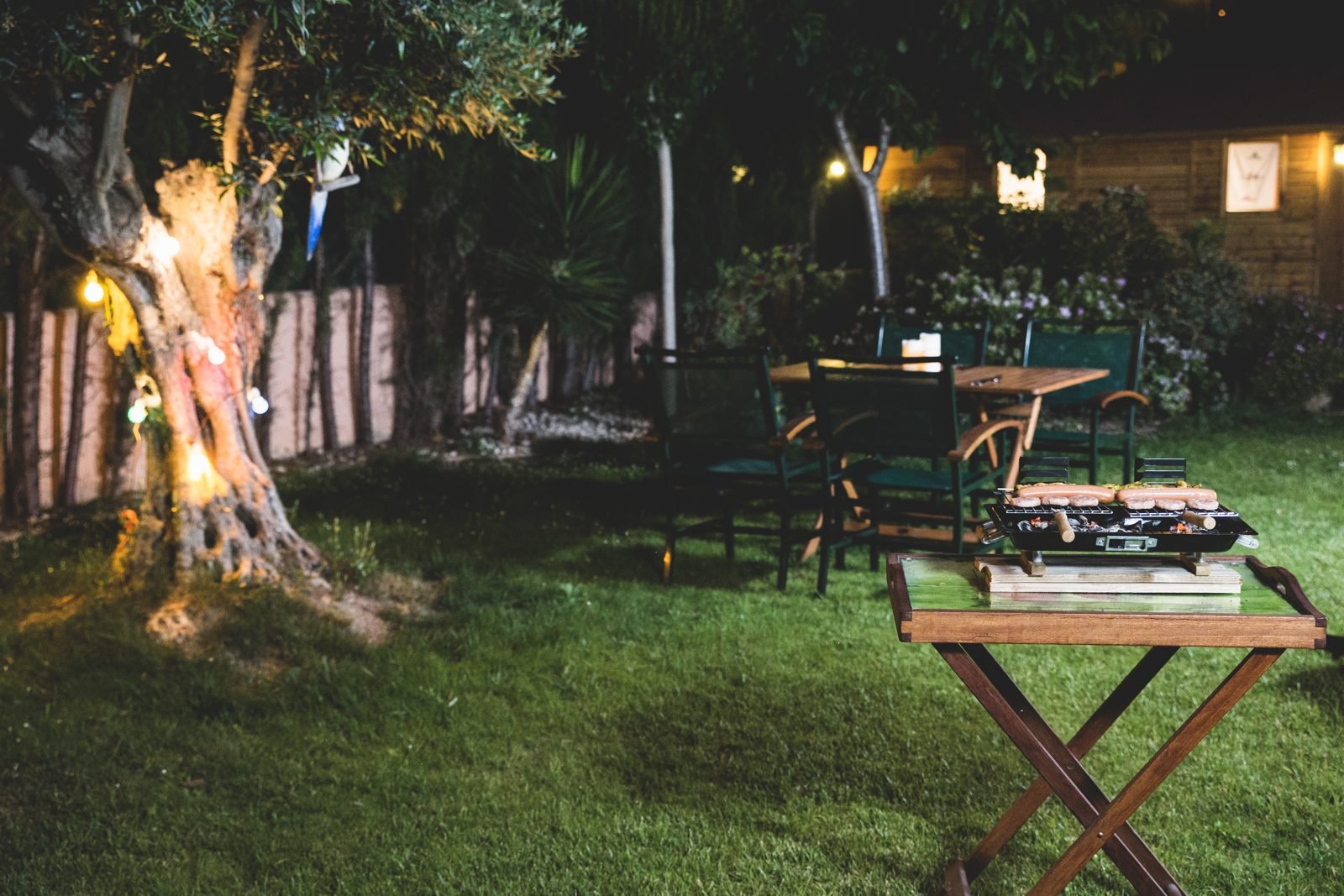
The best budget outdoor kitchen ideas have little to do with major construction, natural stone counters or imported appliances. What turns a corner of the backyard, a rooftop or a spare patio into a real gathering spot is a well-planned mix of prep space, comfortable seating, shade and good light once the sun goes down.
In this guide, you will learn how to plan the space step by step, choose a grill type and handle smoke, gas and electricity safely, where to save and where not to, which materials usually give the best value and how to make it welcoming for friends and family, whether you are a couple who likes to cook together or a household full of people on Sundays.
Start with how you will use it, not with decor
Before buying anything, answer three questions: how many people you usually host, what you plan to cook out there and at what times of day the space will be used most. Weekend barbecues call for a different setup than breakfast outdoors.
With those answers in hand, sketch a simple plan on paper with three zones:
- Prep zone: a counter, room for cutting boards and utensils and, ideally, a water source nearby.
- Cooking zone: a grill, portable cooktop, electric oven or camp stove, always in a well-ventilated spot.
- Gathering zone: a table, chairs, bar stools or an outdoor sofa.
This sketch prevents the most common mistake people make on a tight budget: buying good-looking furniture that later blocks the flow. Leave clear walkways of roughly 80 cm (about 32 inches) between the counter and the table so nobody bumps into whoever is cooking.
If your space is an apartment balcony, our guide to a small balcony outdoor kitchen covers the specific limits of living in a building.
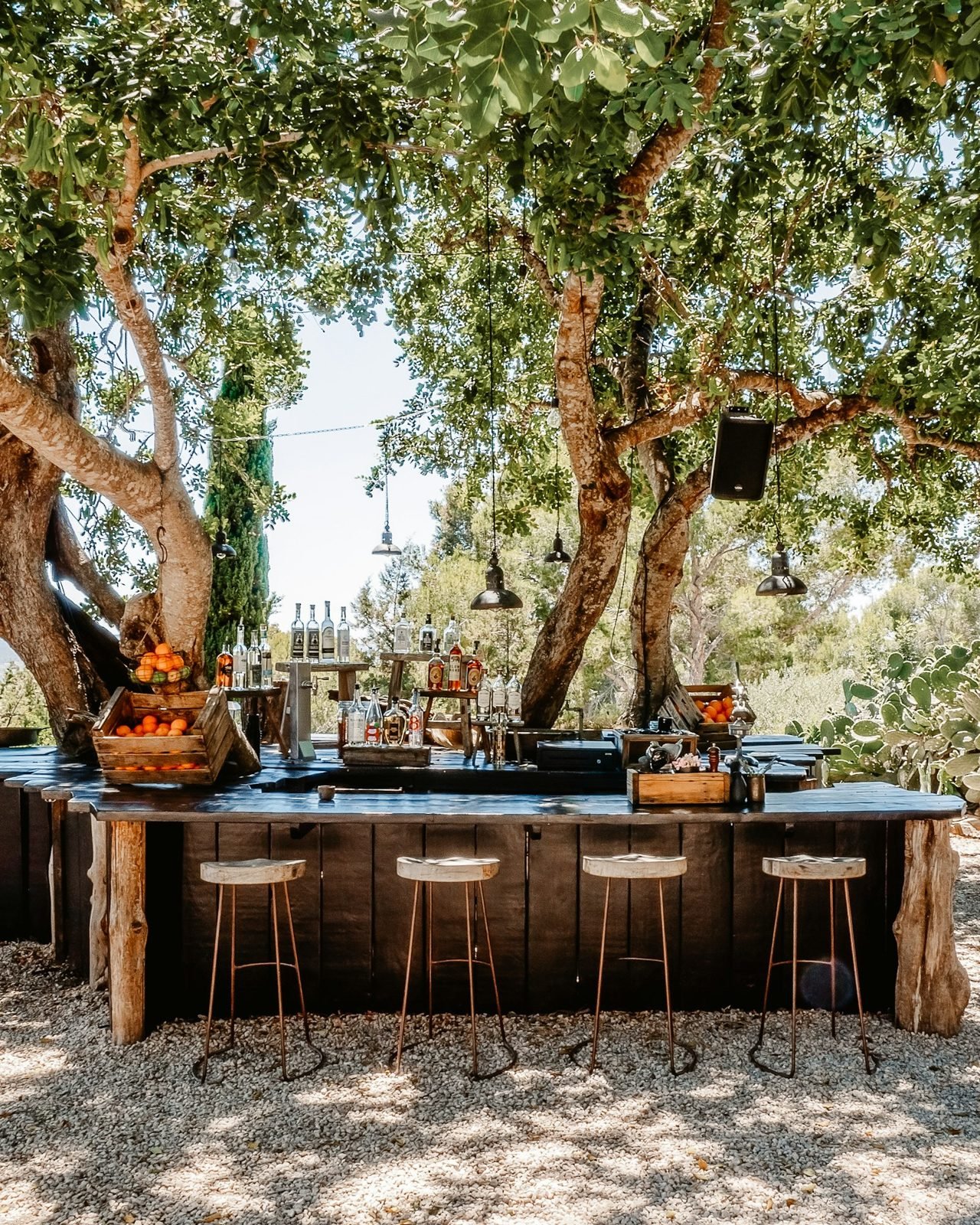
The counter: the heart of an affordable outdoor kitchen
The counter is where much of the budget tends to go, so this is where your choices matter most. A few options that are often more affordable than natural stone:
- Masonry or concrete block finished with ceramic or porcelain tile: durable, easy to clean and possible to build in stages.
- Polished concrete or microcement: a modern look, but it needs a good finish and proper sealing so grease does not stain it.
- Wood treated for outdoor use: warm and inviting, though it needs regular upkeep with a product suited to sun and rain.
- A movable counter or rolling cart: a great solution if you rent or are not ready for construction yet.
Prices vary widely depending on where you live, the supplier and the finish, so get at least three quotes and compare materials and labor together. If you want a sink, place it close to existing plumbing: running water and drain lines a long way quickly drives up the cost.
Grills and cooking: choose safely
Not every outdoor kitchen needs a built-in grill. Portable charcoal grills, electric models and countertop ovens work well when you are just starting out, and they can move with you. What matters is following a few basic rules:
- Burning charcoal produces carbon monoxide, an odorless gas that can poison people. Use a charcoal grill only in an open, well-ventilated area, never in an enclosed space.
- If you live in a building or a community with an association, check the rules: many restrict smoke, grill types and hours.
Planning a bigger project later? Leave free space and plan ventilation now.
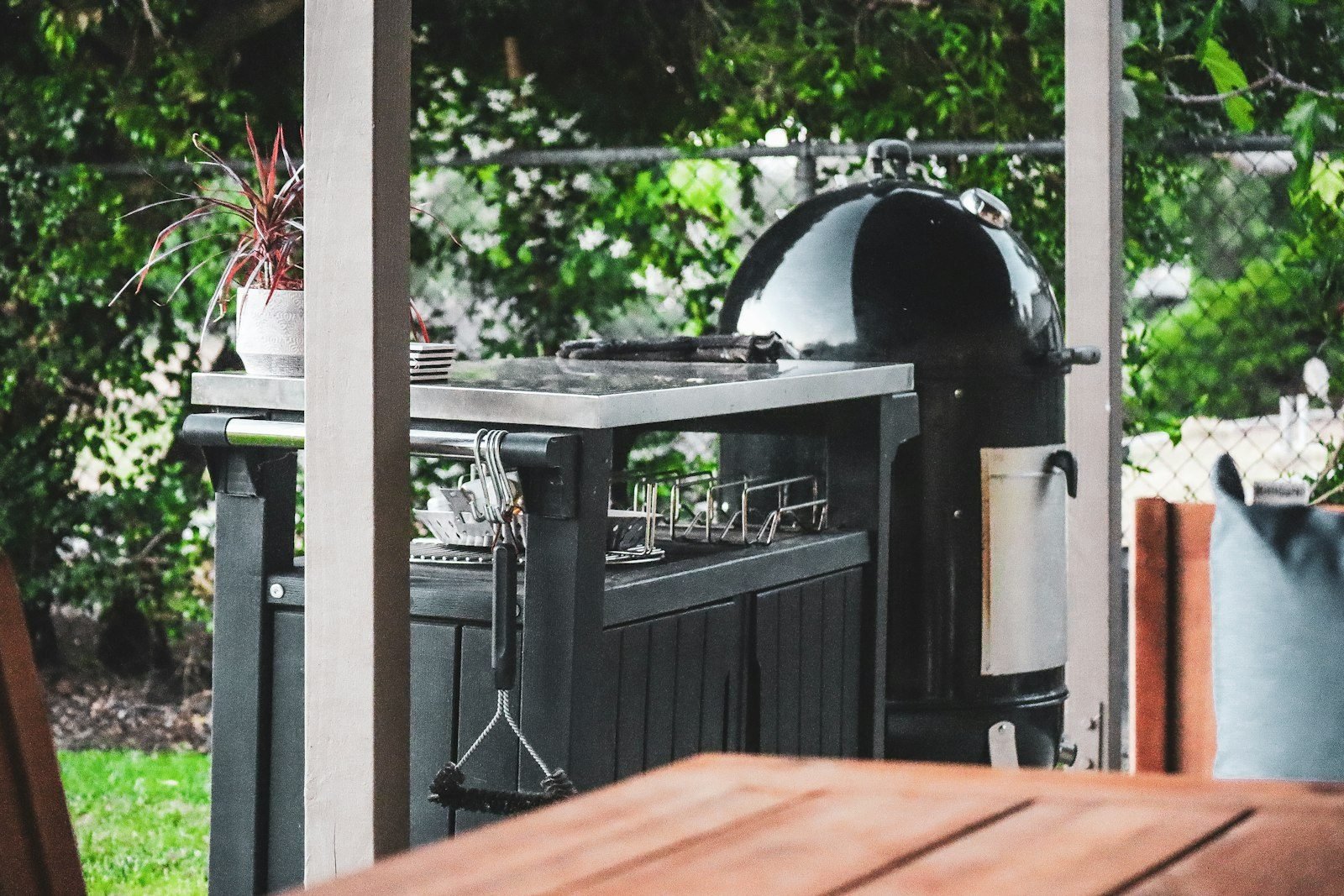
Grill types: which one suits your space
Each type of grill changes the whole project, because it defines whether you need smoke extraction, a gas line or a dedicated outlet, and even what goes on the surrounding walls. Here is a practical comparison:
| Type | Fuel | Requires | Strength | Watch out for |
|---|---|---|---|---|
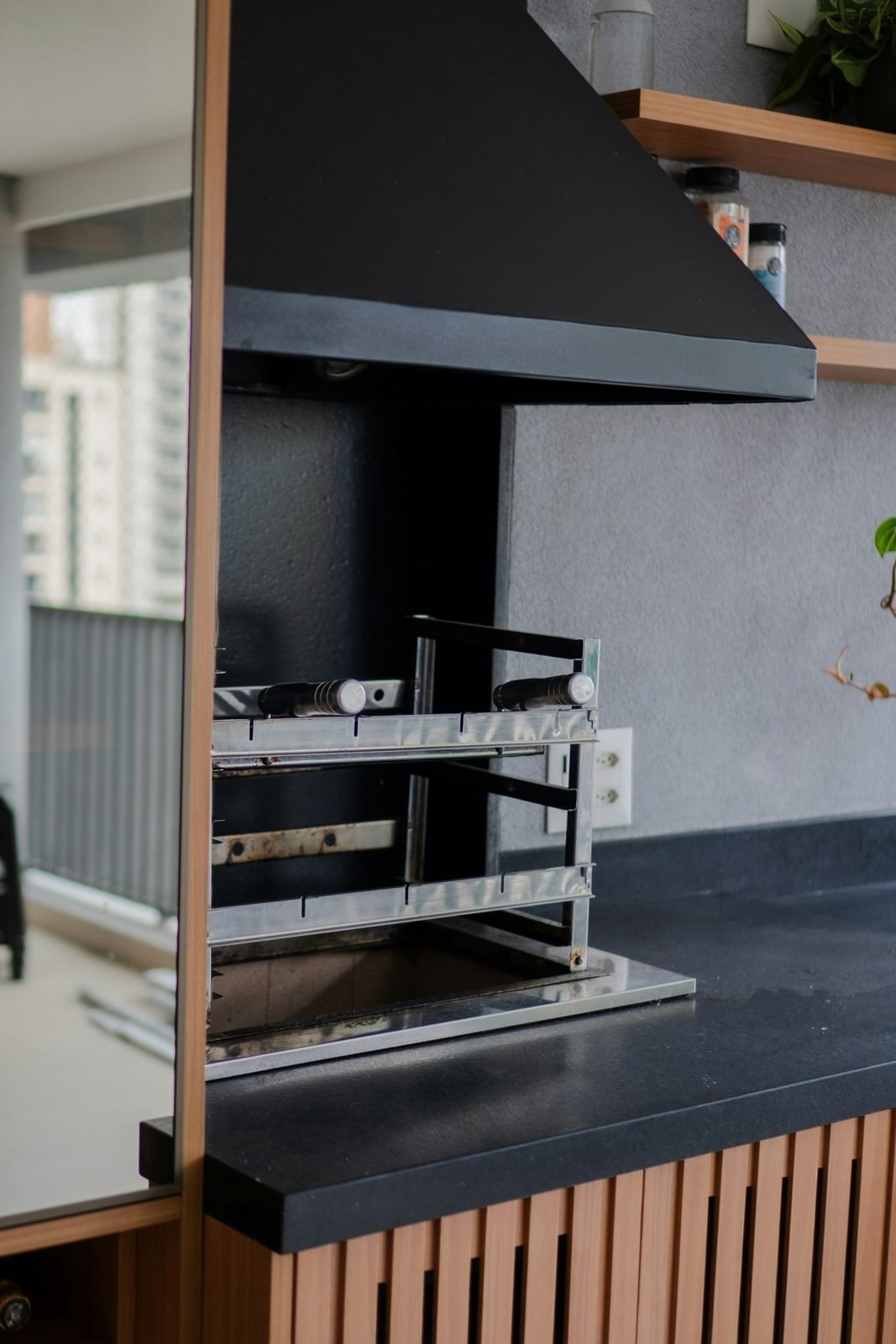
| Built-in masonry or precast | Charcoal | Hood and flue for smoke | Smoky flavor and large cooking area | More smoke and more space needed |
| Kettle (with lid) | Charcoal | Well-ventilated spot | Portable, with less smoke | Takes floor space and needs careful handling |
| Gas | Gas | Installation by a licensed professional | Quick ignition and even heat | No charcoal flavor |
| Electric | Electricity | An outlet rated for its power, often 220–240V outside North America | No flue and no embers | Depends on a properly sized circuit |
| Glass-sided or wall-built | Charcoal or gas | Hood and minimum clearance | Cleaner, integrated look | More complex design and installation |
Broadly speaking, charcoal models deliver the traditional flavor but need efficient smoke extraction. Gas and electric grills produce much less smoke and tend to adapt better to semi-open spaces, as long as installation follows the manufacturer’s instructions.
Layout: the outdoor kitchen work triangle
Just like an indoor kitchen, an outdoor kitchen works best when the grill, sink and prep counter sit close together with nothing in the way. Picture a simple flow: the meat comes out of the fridge, gets seasoned on the counter, goes on the grill and returns to the cutting board without anyone crossing the dining table.
- Counter next to the grill: keep clear space on both sides, one for raw food and one for food that is ready.
- Nearby sink: makes it easy to wash hands, utensils and boards, which improves hygiene.
- Refrigeration: a mini fridge or beverage cooler saves constant trips to the indoor kitchen.
- Circulation: leave a comfortable walkway between counter and table so the cook does not bump into seated guests.
- Socializing: an island or bar with stools keeps people near the grill without getting in the way.
In narrow spaces, a single-wall layout is usually the most efficient. In larger areas, an L-shape or an island adds more counter space.
Smoke, ventilation and neighbors
Smoke is the number one source of complaints in any outdoor kitchen. For charcoal grills, the hood and flue should be sized by someone who knows the subject, with proper draft and an outlet far from windows.
In apartments, smoke is also a matter of getting along with neighbors. Many buildings and homeowners’ associations have rules about what you can use on a balcony, and smoke, smells and fire risk that affect other residents can lead to complaints or penalties. Before you buy anything, read your building’s rules and talk to the management. Some buildings are delivered with a balcony grill and a shared flue; others restrict the type of equipment allowed.
In practice, anyone familiar with real estate knows that a well-designed outdoor kitchen, built within the rules and without makeshift fixes, adds appeal to a property, while an improvised setup becomes a headache.
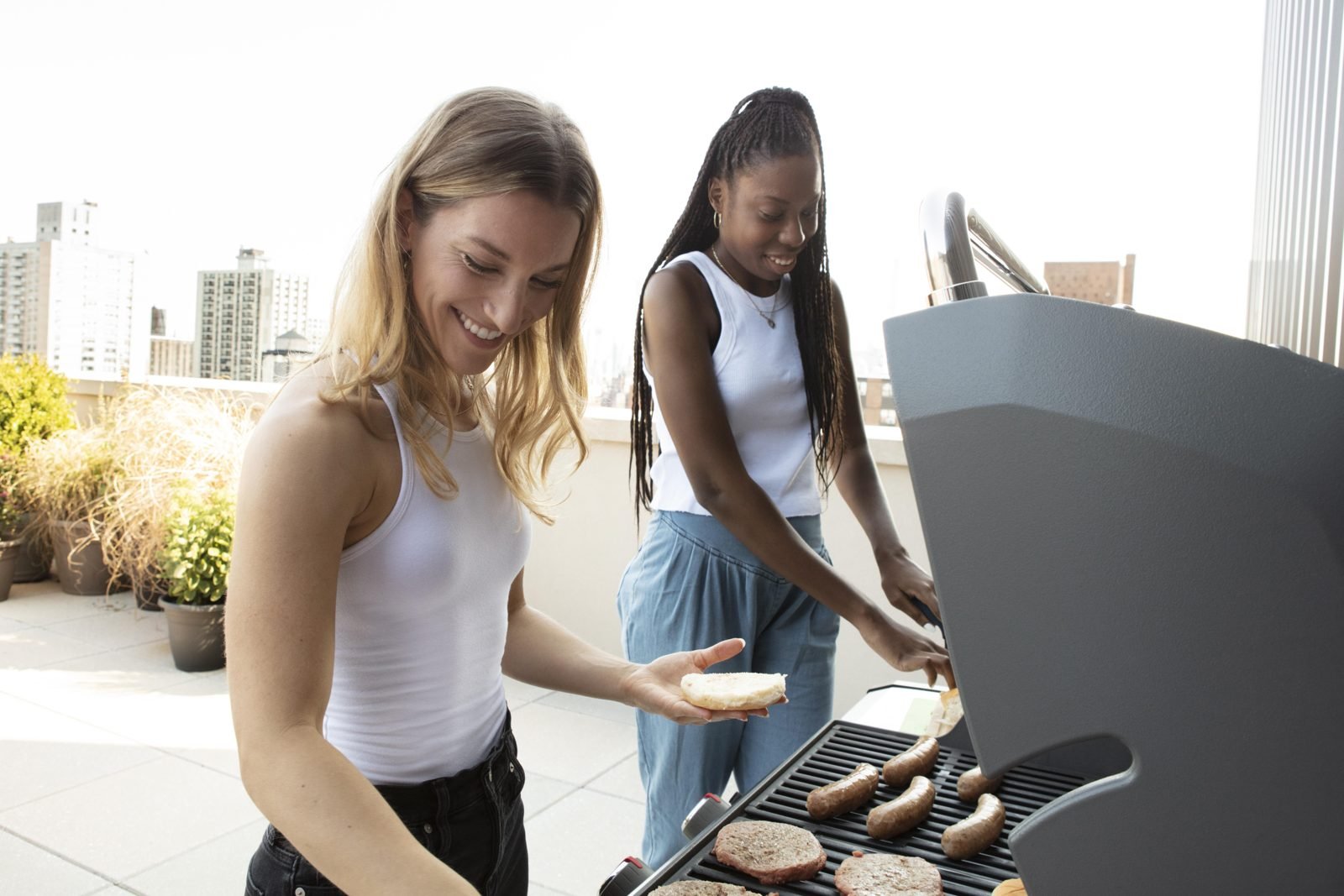
Safety: gas, electricity and fire
- Gas: gas grills, cooktops and ovens should be installed by a licensed professional, following the manufacturer’s manual and the rules of your utility and building. Never improvise hoses or fittings.
- Electricity: electric grills, range hoods and mini fridges may need dedicated circuits. Ask a licensed electrician to check the load and use weatherproof outlets.
- Distance from flammable materials: keep curtains, awnings, cushions and dry plants away from the grill.
- Surfaces around the fire: in the direct heat zone, use materials designed for high temperatures, such as firebrick.
- Kids and pets: set up a no-go zone around the grill while it is hot.
If you have doubts about installation or ventilation, consult a professional and follow the guidance of your local fire department.
Flooring and shade: where not to cut too many corners
An outdoor area deals with sun, rain, grease and cleaning water. That is why the flooring needs to be slip-resistant and rated for exterior use. Smooth, glossy surfaces become slippery when wet, which is a real risk, especially for children and older adults.
If money is tight, a smart strategy is to finish only the counter and grill area first and cover the rest with interlocking deck tiles, gravel or grass. Snap-together deck tiles can be installed without construction and removed later.
For shade, there are several in-between options before you commit to a permanent structure:
- A large patio umbrella or cantilever umbrella you can move as the sun shifts.
- A retractable awning or a shade sail anchored to solid points.
- A wooden pergola with a climbing plant, which creates natural shade over time.
Any permanent structure, especially one attached to a roof, deck or facade, should be checked by a professional and may need approval from your building or local authority.
Furniture and decor on a budget
Furniture is where creativity saves the most money. A few ideas that work well:
- A reclaimed or secondhand wooden table, sanded and protected with an exterior-grade finish.
- Tall bar stools at the counter, which take little space and bring the cook closer to the conversation.
- Built-in masonry benches with removable cushions, a long-lasting choice for backyards.
- Stackable chairs in weather-resistant materials, stored away when not in use.
- Treated crates and pallets for shelves and storage, as long as they are well sanded and splinter-free.
When it comes to decor, less is more. A three-color palette, outdoor fabric on the cushions, a nice tablecloth and a few useful objects on display, like wooden boards and spice jars, are enough to give the space character. Keep anything you rarely use in closed cabinets or bins to protect it from dust.
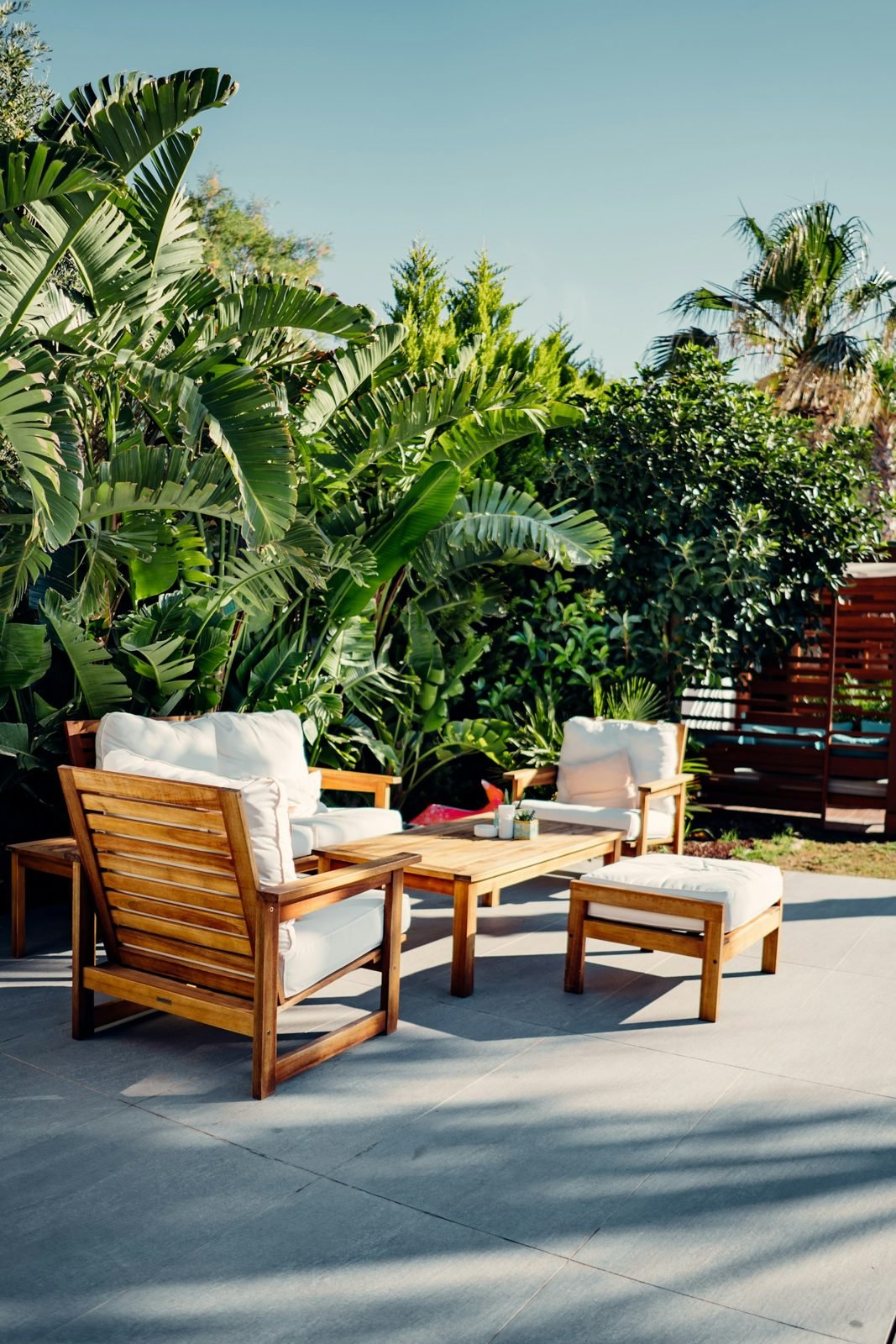
Lighting and plants: the finishing touch
Many get-togethers happen in the late afternoon and evening, so lighting deserves attention. Combine task lighting over the counter, so you can cut and prepare food safely, with warmer, lower lights for the seating area. String lights, wall sconces and solar garden lights are affordable and easy to install.
Always use products rated for outdoor use, with protection against moisture, and keep extension cords away from water and the heat of the grill. To learn how to plan layers of light, see our article on home lighting design.
Plants complete the mood. Herbs such as rosemary (Salvia rosmarinus), basil (Ocimum basilicum) and mint (Mentha spp.) are handy next to the counter and love the sun. Large pots with leafy plants add privacy and help define the space. If you have pets or small children, check each species for toxicity before buying: several common ornamental plants are toxic to dogs and cats, according to the ASPCA. Our guide to balcony plants lists options and care tips.
Checklist: priorities for your outdoor kitchen
Use this table to plan purchases in stages and spread the budget over several months:
| Stage | What to do | Money-saving tip |
|---|---|---|
| 1. Planning | Define use, zones and traffic flow | Sketch on paper before buying |
| 2. Utilities | Water, drainage, outlets and lighting | Use existing connections |
| 3. Flooring | Slip-resistant surface in the prep area | Deck tiles or gravel elsewhere |
| 4. Counter | A sturdy prep surface | Tiled masonry or a movable counter |
| 5. Cooking | Grill, oven or cooktop | Start with a portable model |
| 6. Seating | Table, chairs and bar stools | Restored secondhand furniture |
| 7. Shade and mood | Light cover, lights and plants | Umbrella, string lights and potted herbs |
| 8. Safety and neighbors | Choose the grill type, ventilation, gas and building rules | Talk to the building management before buying equipment |
Frequently asked questions
Can I build an outdoor kitchen without construction?
Yes. With a movable counter, a portable grill or electric oven, snap-together deck tiles, an umbrella and freestanding furniture, you can set up a functional outdoor kitchen without knocking down walls. It is a good solution for renters.
What is the cheapest material for an outdoor kitchen counter?
It depends on your region and finish, but masonry counters covered in ceramic or porcelain tile tend to offer good value. Compare quotes that include both materials and labor.
Can I use a charcoal grill under a covered patio?
Only if the area is wide open and well ventilated. Burning charcoal releases carbon monoxide, so a charcoal grill should never be used in an enclosed space. For permanent setups with a chimney, consult a licensed professional.
Which plants work well in an outdoor kitchen?
Aromatic herbs like rosemary, basil and mint are practical near the counter. Leafy plants in large pots help shape the space. Always check toxicity if you have pets or children.
Which grill produces the least smoke?
Gas and electric grills produce much less smoke than charcoal ones. A kettle grill with a lid also reduces smoke compared with an open grate.
Do I need a professional to install a gas grill?
Yes. Gas equipment should be installed by a licensed professional, following the manufacturer’s manual and local rules, to prevent leaks and accidents.
Conclusion
A simple, affordable outdoor kitchen is above all a matter of priorities: plan how you will use it, make it safe and comfortable and invest gradually in what makes the biggest difference. What does your outdoor space look like today? Tell us in the comments and explore the other guides on the blog.
Sources and references
The passages on carbon monoxide and plants were checked against the sources below in November 2026.
- CDC (U.S.): Carbon Monoxide (CO) Poisoning Basics: carbon monoxide is colorless and odorless, and charcoal should never be burned indoors.
- ASPCA: toxic and non-toxic plants database, to check each species before buying.
Association and building rules vary and prevail where you live. This content is informational and does not replace legal advice or a licensed professional for gas and ventilation.
Featured image: Image: Freepik / Freepik

Leave a Reply