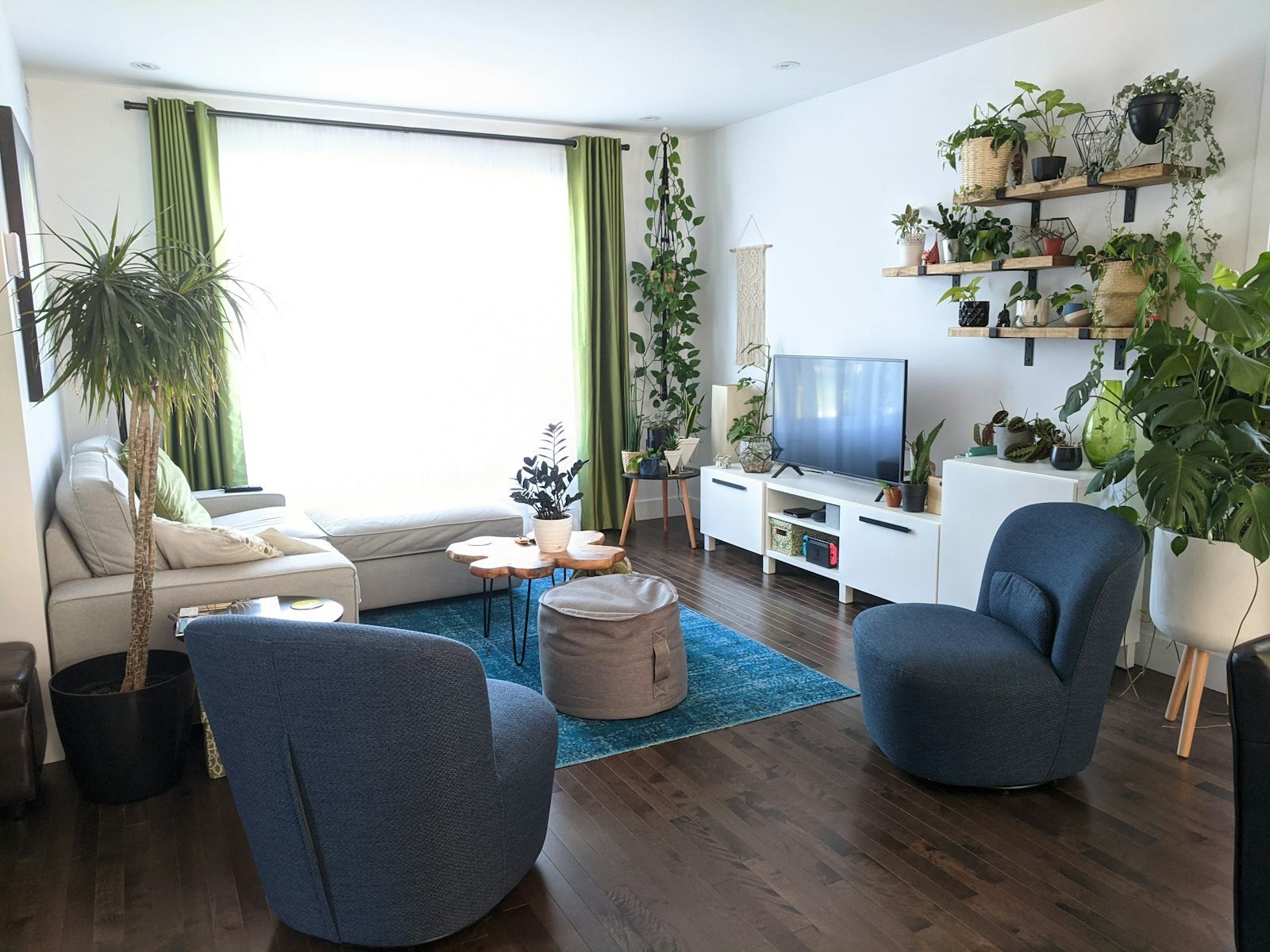
Finding the best plants for apartments is less about taste and more about light. The same plant that thrives next to a sunny window can slowly fade in a dim hallway, and that has nothing to do with having a “green thumb.” It’s about matching the right plant to the right spot.
In this guide, you’ll learn how to read the light in each room, meet plants that tolerate low light, find out which options are considered safe for cats and dogs, and avoid the watering mistakes that kill the most houseplants. You’ll leave with a short, realistic list to start with.
Before you buy: understand the light in your apartment
Almost every houseplant failure starts with an overly optimistic reading of the light. Before shopping, watch the room at different times of day and classify the spot where the pot will live:
- Direct sun: sunlight falls on the leaves for a few hours. Ideal for herbs, succulents and cacti, but it scorches many tropical foliage plants.
- Bright indirect light: near a window in a well-lit room, with no sun on the plant itself. Most indoor plants love this spot.
- Medium light: a few feet back from the window, or in rooms with small windows. You can still read during the day without turning on a lamp.
- Low light: hallways, corners far from the window and rooms that look out onto a nearby wall. Only very tolerant plants hold up here.
Window direction matters too. In the Northern Hemisphere, south-facing windows get the most sun over the year and north-facing windows the least; in the Southern Hemisphere, it’s the other way around. Heavy curtains, dark window films and neighboring buildings also cut the light that actually reaches the room.
Best plants for apartments with low light
No plant lives in total darkness, but some handle medium and low natural light very well. They grow more slowly there, which also means less pruning and repotting.
ZZ plant (Zamioculcas zamiifolia)
This is the champion of easy care. According to North Carolina State University Extension (NC State), it grows even in very low light and is quite drought tolerant because it stores water in its rhizomes and fleshy stems. Direct sun can burn the leaves, and the biggest risk is overwatering, which rots the rhizomes. Note that the same source flags it as toxic if eaten, due to calcium oxalate.
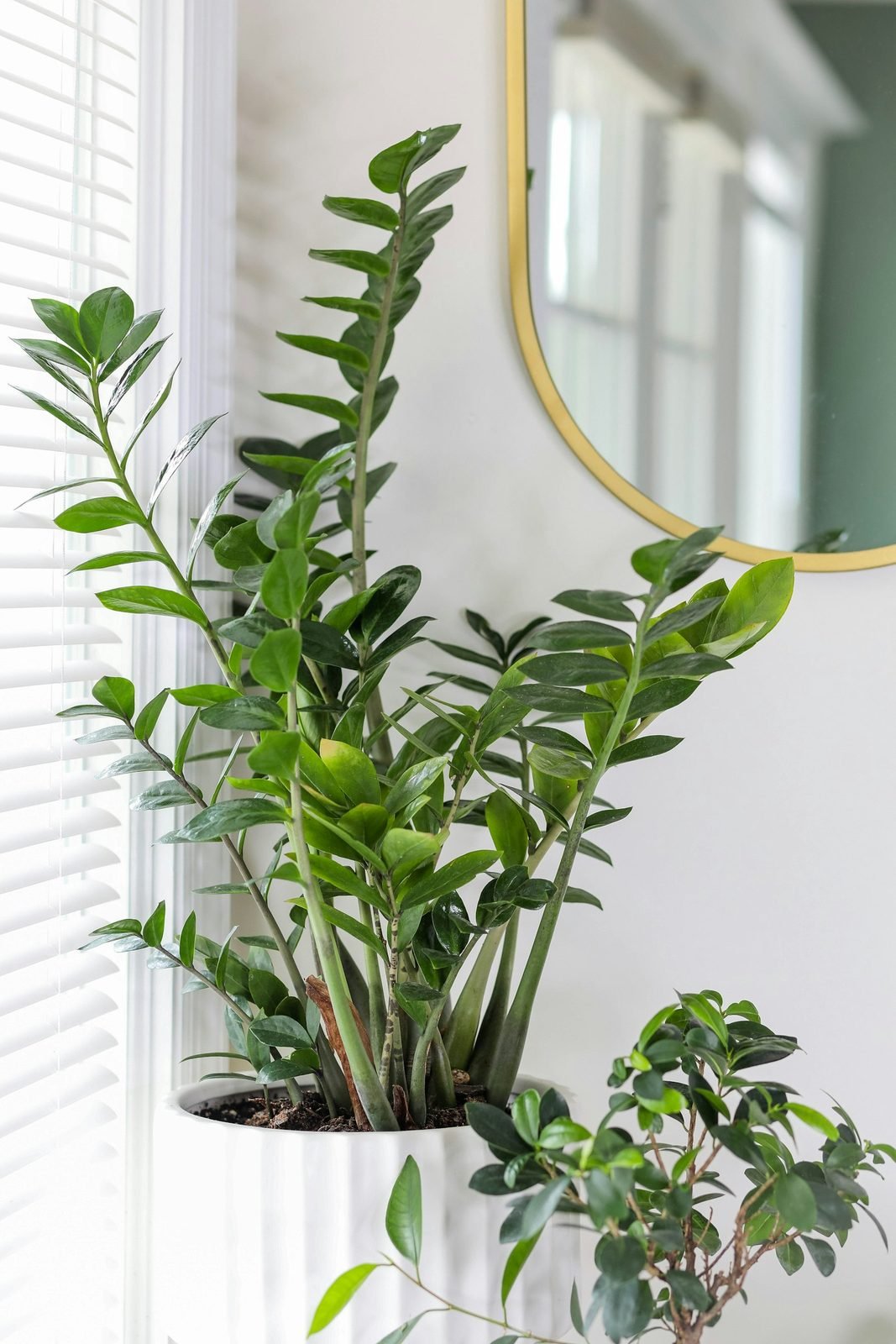
Snake plant (Dracaena trifasciata, formerly Sansevieria)
Its stiff, upright leaves make it perfect for narrow corners. It has a well-earned reputation as a low-light plant and needs little water. The ASPCA, the U.S. animal welfare group that maintains a plant toxicity database, lists it as toxic to dogs and cats, with a risk of nausea, vomiting and diarrhea.
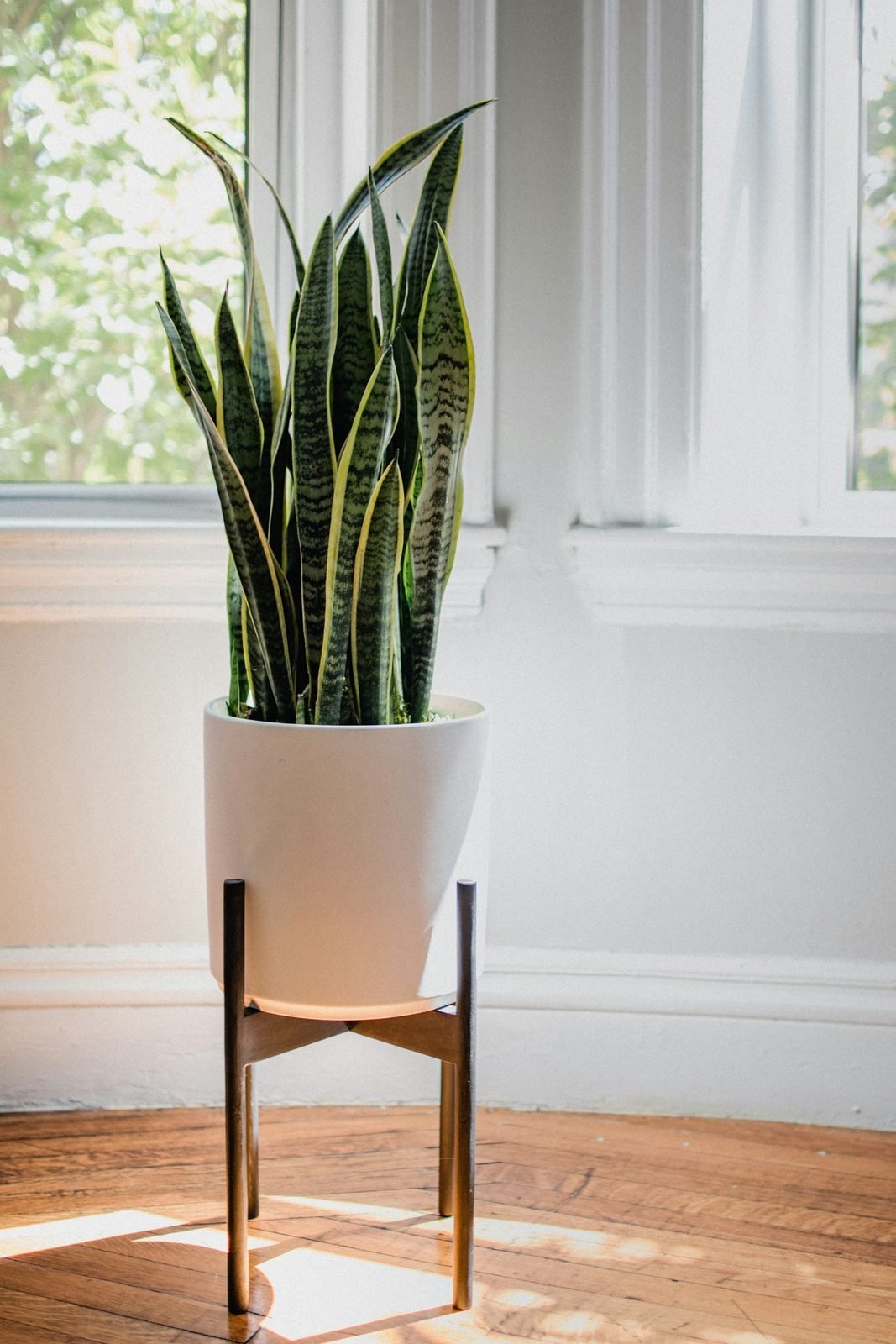
Peace lily (Spathiphyllum)
It’s one of the few plants that bloom in low light, according to the University of Maryland Extension. In return, it drinks more than average and wilts fast when the soil dries out, which at least works as a built-in alarm. The ASPCA lists it as toxic to dogs and cats because it contains insoluble calcium oxalates, which irritate the mouth, tongue and lips.
Golden pothos (Epipremnum aureum)
Trailing from a shelf or climbing a moss pole, it’s versatile and grows fast. It prefers medium to bright indirect light but tolerates darker corners, where variegated varieties tend to lose their yellow and turn greener. It’s also toxic to pets according to the ASPCA, so keep the vines away from curious cats.
Options considered safe for pet owners
If you live with a dog, a cat or a small child, build your collection from plants the ASPCA and NC State Extension classify as non-toxic. A few that do well indoors:
- Spider plant (Chlorophytum comosum): prefers medium light, tolerates deep shade and doesn’t like direct sun.
- Boston fern (Nephrolepis exaltata): likes bright indirect light, consistently moist soil and humid air. Bathrooms with a window are often a good fit.
- Lady palm (Rhapis excelsa): elegant, handles shade and doesn’t demand high humidity.
- Calatheas (Calathea/Goeppertia): beautifully patterned leaves that want filtered light, humid air and lightly moist soil that never gets soggy.
- Chinese money plant (Pilea peperomioides): compact and great for well-lit tables and shelves.
A caveat from the ASPCA itself: “non-toxic” doesn’t mean your pet can chew away freely, because eating any plant can cause mild stomach upset. With children, the rule is similar: keep pots out of reach, and if a child eats any plant, contact a doctor or your local poison control center. For pets, call your veterinarian.
Quick reference: light, water and safety
| Plant | Light | Watering | Dogs and cats |
|---|---|---|---|
| ZZ plant | Low to bright indirect | Infrequent; let the soil dry out | Toxic |
| Snake plant | Low to bright | Infrequent | Toxic |
| Peace lily | Low to indirect | Frequent; don’t let it dry out | Toxic |
| Golden pothos | Medium to bright indirect | When the top of the soil is dry | Toxic |
| Spider plant | Medium, no direct sun | Moderate | Non-toxic |
| Boston fern | Bright indirect | Keep soil consistently moist | Non-toxic |
| Lady palm | Shade to indirect | Regular, less in cold weather | Non-toxic |
| Calathea | Indirect, no strong sun | Moist but not soggy | Non-toxic |
Watering, pots and drainage: where most people go wrong
In an apartment, plants die more often from too much care than from neglect. A simple rule extension specialists repeat helps a lot: the less light a plant gets, the less water it uses.
- Do the finger test: push your finger 2–3 cm (about 1 in) into the soil. If it’s still damp, wait a little longer.
- Use pots with drainage holes: cachepots without drainage are beautiful, but use them only as a cover for a pot that has holes.
- No standing water in the saucer: empty the saucer after watering or fill it with coarse sand. Standing water rots roots and can become a breeding ground for mosquitoes.
- Follow the seasons: in cold weather and during cloudy stretches, plants slow down and need less water.
- Read the signs: yellow, mushy leaves usually point to overwatering; dry or curled leaves suggest too little water or dry air.
Go easy on fertilizer too: use it during the growing months at the dose on the label, and stop when the plant is dormant or has just been repotted.
How to place plants around your home
With the light mapped, placement gets much easier:
- Living room: a larger plant near the window becomes a focal point, and a pothos can trail down from a high shelf.
- Bedroom: stick to a few low-maintenance plants and, if pets wander in, choose non-toxic ones.
- Bathroom with a window: the humidity suits ferns and calatheas.
- Kitchen: herbs like rosemary (Salvia rosmarinus) and basil (Ocimum basilicum) only do well if the counter gets a few hours of direct sun.
- Home office: a medium-size pot in your line of sight makes a work corner feel more welcoming.
Short on floor space? Try shelves, wall brackets or even a vertical garden. To tie the greenery into the rest of your home, see our small apartment decorating ideas.
A note from someone who works in real estate: healthy, well-placed plants make a home look cared for and inviting, while pots full of dry leaves send the opposite message. A few thriving plants do more for a room than many struggling ones.
Frequently asked questions
What is the easiest plant for a low-light apartment?
The ZZ plant and the snake plant are among the most tolerant: they handle medium light and infrequent watering. Just remember that both are toxic to pets and should be kept out of reach of animals and children.
Can a plant live in a room without windows?
Not for long. Without natural light, it gradually weakens. Use grow lights or rotate the pot, moving it near a window from time to time.
Which plants are safe for cats?
The spider plant, Boston fern, lady palm, calatheas and Chinese money plant are listed as non-toxic to dogs and cats by the sources we consulted. Even so, discourage your pet from chewing the leaves regularly.
How often should I water my houseplants?
There’s no fixed schedule. It depends on the plant, the light, the pot size and the season. Check the soil moisture before watering, and cut back in cold weather and in dimmer corners.
Conclusion
Start with the light, pick two or three plants that suit your spot and your routine, and only then grow your collection. Which plant has thrived (or not) in your apartment? Tell us in the comments. Have a balcony too? Read our guide to balcony plants for sun, shade and wind.
Featured image: Photo: Véronique Trudel / Unsplash