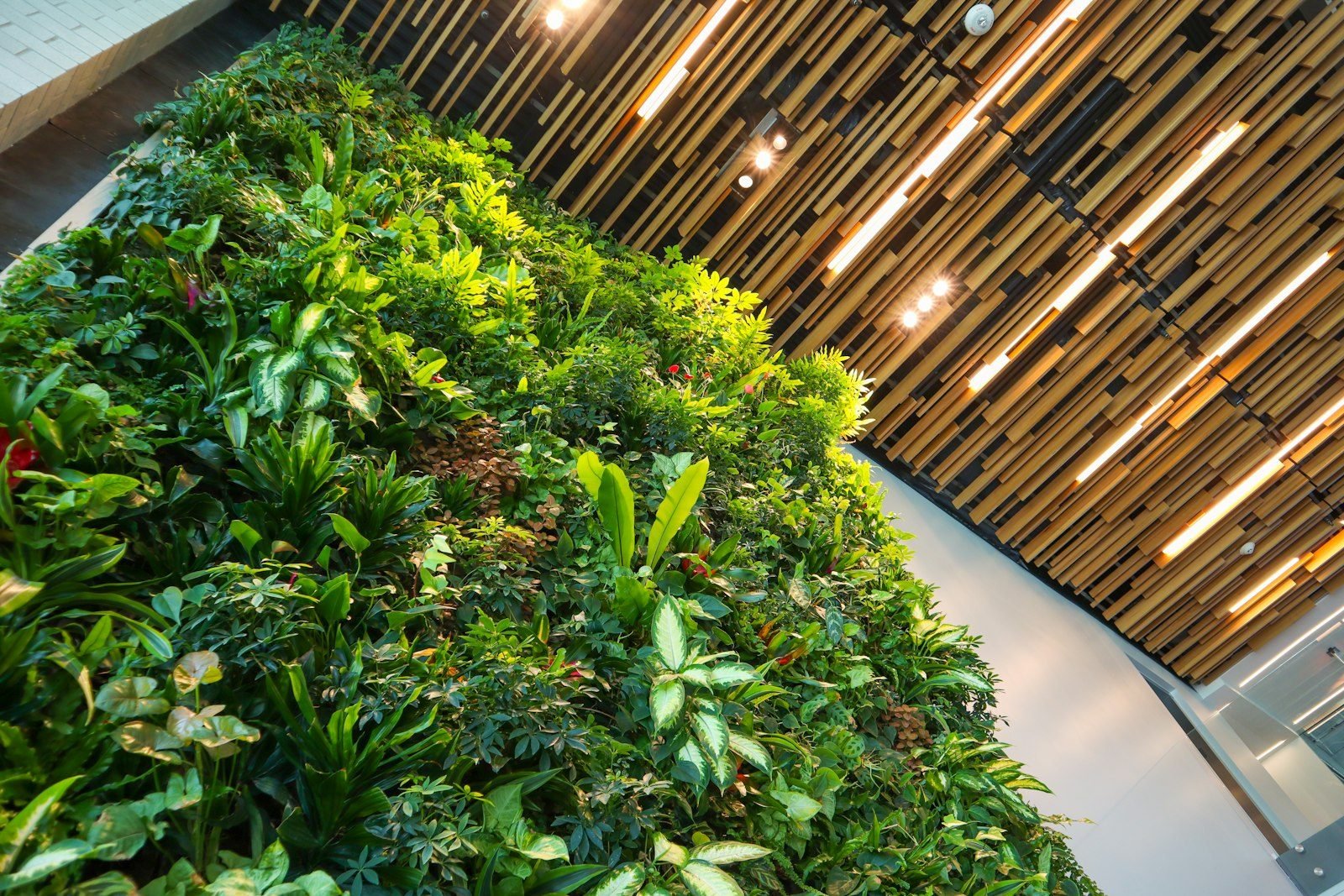
A vertical garden turns a dull wall into a focal point, brings greenery to places with no floor space to spare and gives real personality to balconies, hallways and narrow backyards. The idea is simple: you grow plants upward, in pots, modules or fabric pockets attached to a surface.
The result, however, depends on decisions you make before the first plant goes in: how much light the wall gets, how water will reach every plant and how you will protect the wall from moisture. This guide covers the step-by-step process, a table of plants for sun and shade and the care that keeps it all thriving.
Where a vertical garden works best
Almost any wall can hold plants, but some spots make the project much easier. Balcony walls, backyard fences, bright laundry areas and well-lit entryways usually do great. In dark interiors, a living wall only survives with dedicated grow lights, or with preserved plants, which are no longer alive.
Think about how the space is used, too. In a busy hallway, choose compact plants that will not brush against passersby. On a living room or balcony feature wall, trailing plants and mixed textures create an eye-catching “green curtain” effect.
Before you buy: light, water and the wall itself
Watch the light for a few days
Check the wall in the morning, at midday and in the late afternoon. Several hours of direct sun call for full-sun plants; bright light without direct sun calls for species that prefer partial shade. This simple observation prevents the most common mistake: putting ferns in harsh sun or herbs in a dark corner.
Plan watering from day one
On a vertical panel, water runs from top to bottom. That means the upper rows dry out faster while the lower rows tend to stay wetter. For a handful of pots, a watering can with a narrow spout is enough. For larger walls, a drip irrigation system with a timer saves time and delivers water more evenly.
Protect the wall
Constant moisture against a wall can cause stains and mold, especially on interior walls or walls shared with a neighbor. Choose structures that leave a small ventilation gap between the planters and the wall and, if possible, add a tray or gutter to catch excess water. To hang heavy modules, use wall anchors and screws rated for the weight of the plants with wet soil. If you are unsure whether the wall can take the load, or you need a water line or an outlet for the timer, hire a licensed professional.
Types of structures: which one suits your home
No system is best for everyone. The right one fits your budget, your free time and your wall.
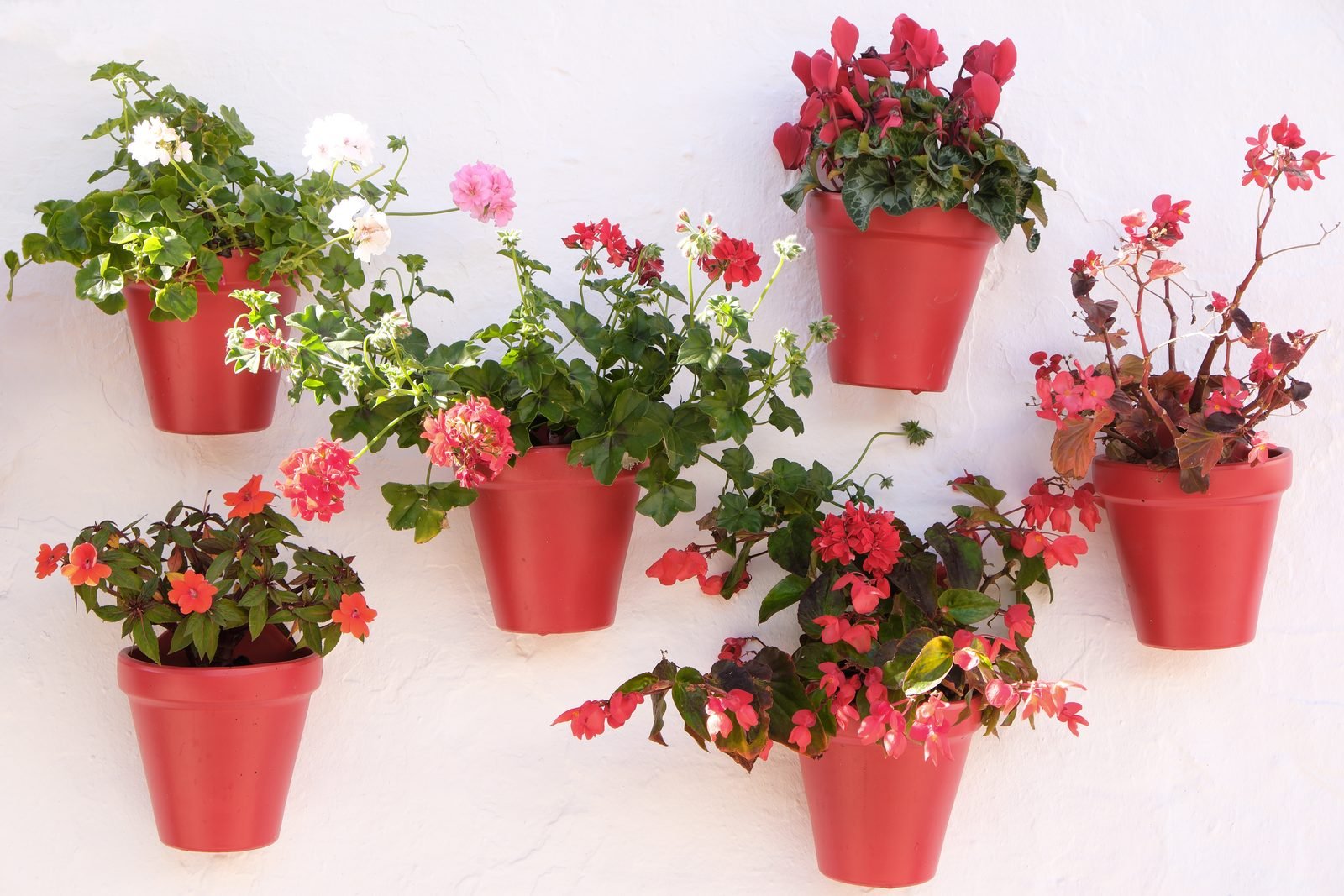
- Wall-mounted pots: the simplest and most affordable option. Metal brackets or pots with built-in hooks let you arrange them freely and rearrange whenever you like.
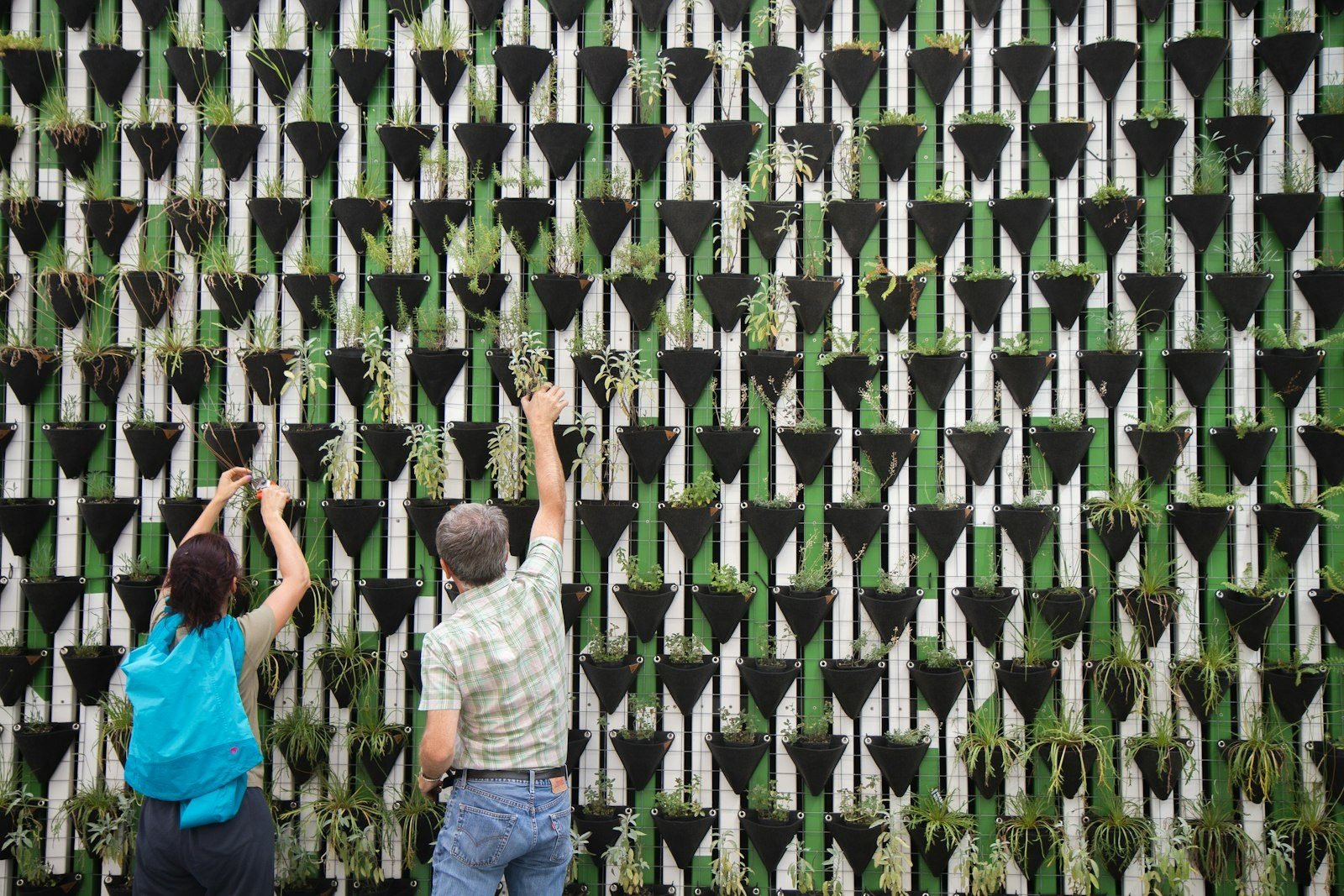
- Interlocking plastic modules: these form a continuous panel with angled pockets that hold the soil in place. You can replace a single plant without dismantling the wall.
- Felt or fabric pockets: light and flexible, they create a lush, full look. They need more frequent watering or automatic irrigation, because the fabric loses moisture quickly.
- Trellises with climbing plants: the plants grow in the ground or in planter boxes and climb the structure. This is the lowest-maintenance solution, but it takes longer to cover the surface.
- Wooden shelves and ladder stands: a good fit for renters, because they can simply lean against the wall or be secured with just a few holes.
Plants for a vertical garden: sun, shade and pets
The golden rule is to combine species with similar light and water needs. Use the way water flows to your advantage: place plants that tolerate drying out a little at the top and those that like moist soil at the bottom. The table below lists easy-to-find options. Toxicity information follows the plant database of the ASPCA (American Society for the Prevention of Cruelty to Animals).
| Plant | Light | Watering | Pets and children |
|---|---|---|---|
| Boston fern (Nephrolepis exaltata) | Partial shade, indirect light | Frequent; keep soil lightly moist | Non-toxic |
| Spider plant (Chlorophytum comosum) | Partial shade to morning sun | Moderate | Non-toxic |
| Baby rubber plant (Peperomia obtusifolia) | Indirect light | Moderate; let the surface dry | Non-toxic |
| Mistletoe cactus (Rhipsalis) | Partial shade, filtered light | Moderate: it is a forest cactus | Non-toxic (R. cassutha) |
| Bromeliads (Neoregelia) | Bright light, gentle sun | Moderate; no standing water for days | Non-toxic |
| Rosemary (Salvia rosmarinus) and basil (Ocimum basilicum) | Full sun | Rosemary little; basil frequent | Non-toxic |
| Golden pothos (Epipremnum aureum) | Partial shade | Moderate | Toxic |
| Heartleaf philodendron (Philodendron hederaceum) | Partial shade | Moderate | Toxic |
| Mint (Mentha) | Sun or partial shade | Frequent | Toxic to dogs and cats |
Pothos and philodendron contain calcium oxalates, which irritate the mouth and throat and can cause drooling and vomiting if chewed. Mint, because of its essential oils, can cause vomiting and diarrhea if eaten in large amounts. If you share your home with pets or small children, keep these species out of reach or stick to the non-toxic options.
A smart move is to include epiphytes. Mistletoe cactus and many bromeliads grow naturally perched on tree trunks, which makes them very well suited to life on a wall. Whatever you pick, choose species suited to your climate; a local garden center can tell you which ones can stay outdoors year-round. For indoor walls, see our list of the best plants for apartments; if the wall is outside, browse our picks of balcony plants that can handle the conditions.

Step by step: how to build your own
- Define the area: measure the wall and decide whether the garden will cover the entire surface or just a section. Starting small helps you get into the rhythm of care.
- Choose the structure based on the light, your budget and the time you will have for watering.
- Prepare the wall: check for existing leaks or damp patches, install the spacers or protective layer and make sure the mounting is secure.
- Use a light, fast-draining mix: potting soil blended with coconut coir or pine bark keeps the whole setup lighter and prevents waterlogging.
- Plant in groups: repeat the same species in clusters instead of alternating one of each. The design looks far more harmonious.
- Keep an eye on the first few weeks: this is when young plants settle in. Watch for wilting or yellowing and adjust the watering or the position.
Easy maintenance
A vertical garden is not something you install and forget. The good news: the routine takes just minutes a week. Use this checklist as your guide:
- Every week: touch the soil to check moisture, remove dry leaves and make sure water is reaching the top pots.
- Every month: feed lightly with a diluted liquid fertilizer and clean drippers and trays.
- Every season: trim anything that has grown too much, replace tired plants and check screws and brackets.
- Whenever you spot them: remove pests such as mealybugs and aphids by hand, and ask a garden center for advice before applying any product.
From a real-estate point of view, a well-kept green wall is often what visitors remember about a home. A panel of dry plants and damp stains sends the opposite message. That is why consistent care matters more than a grand design.
Frequently asked questions
Does a vertical garden cause damp walls?
It can, if water stays in direct, constant contact with the wall. Structures with a ventilation gap, a drip tray and, when needed, waterproofing greatly reduce that risk.
Can I have a vertical garden in an apartment without direct sun?
Yes, as long as there is natural daylight. Boston ferns, peperomias and spider plants handle indirect light well. In truly dark corners, you will need grow lights designed for plants.
How much does it cost to build a vertical garden?
The price varies with your location, the size of the wall, the type of structure and whether you add automatic irrigation. Simple wall-mounted pots are the most affordable way to start.
Which plants are safe for dogs and cats?
Boston fern, spider plant, peperomia, mistletoe cactus and bromeliads of the genus Neoregelia are listed as non-toxic in the ASPCA database. Pothos, philodendron and mint call for caution.
Wrapping up
With the light assessed, watering planned and plants that get along with each other, a vertical garden stops being a challenge and becomes everyone’s favorite corner of the house. If your outdoor space is also limited, check out our small garden ideas. And tell us in the comments: which wall in your home would you love to transform?
Featured image: Photo: Elifin Realty / Unsplash