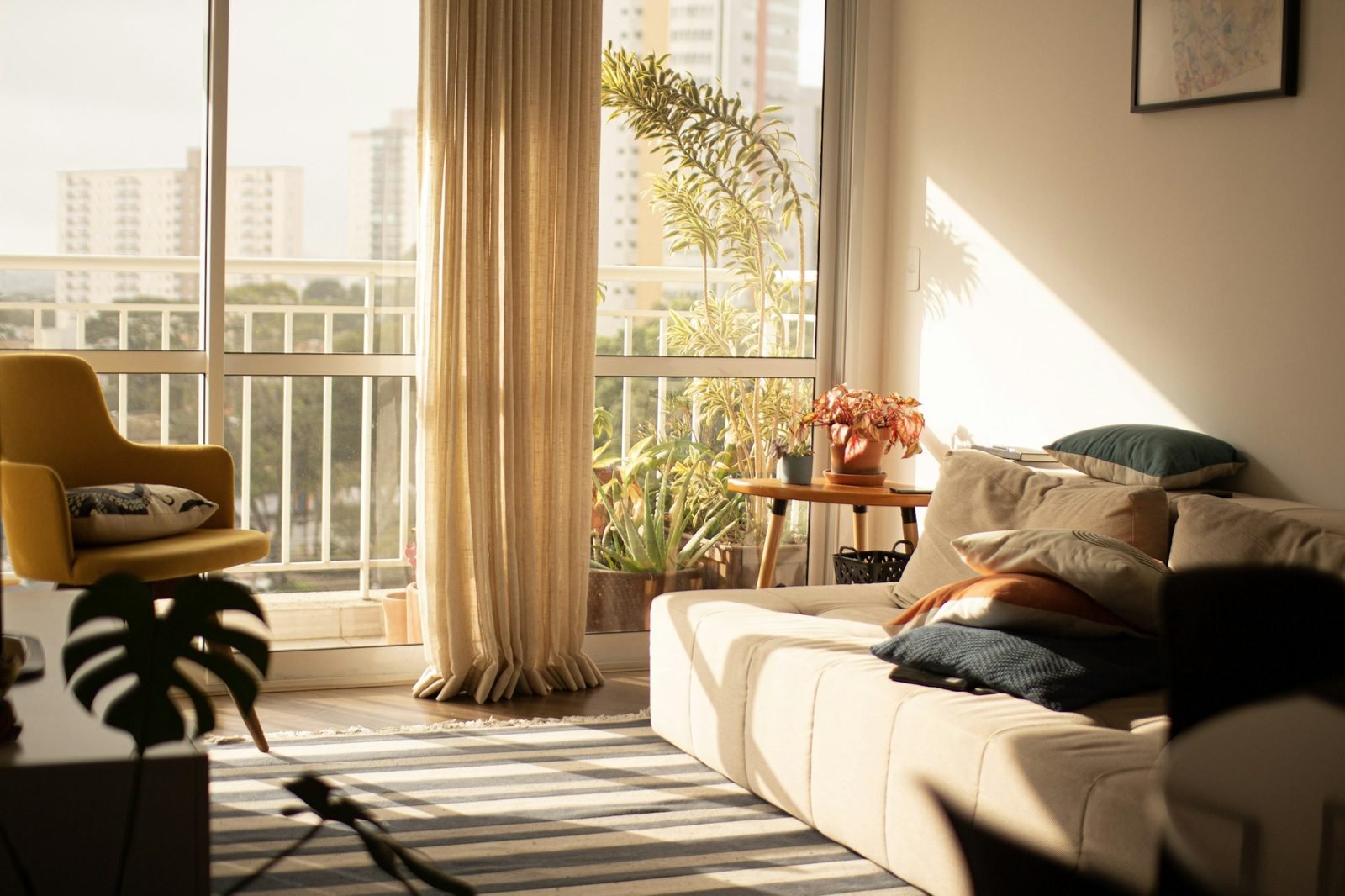
Renter-friendly decorating is an exercise in creativity with a few clear ground rules: make the place feel like yours without creating problems when it is time to hand back the keys. The good news is that much of a home’s personality comes from things that move with you — lighting, textiles, furniture, art and plants.
In this guide, you will see what to check before you start, what to agree on with your landlord, removable solutions for every room and how to return the home without surprises. This content is for general information only and doesn’t replace a careful reading of your lease or advice from a lawyer, since rules vary by country and state.
First things first: your lease and the move-in inspection
The starting point is understanding what you agreed to. Many leases ask you to return the home in the condition you received it, apart from normal wear and tear, and to get your landlord’s written permission before making any alterations. Local tenancy rules also apply, and they differ from place to place.
In practice, the details are in your lease and in the move-in inspection report (sometimes called a condition report or move-in checklist). Together, they define what you can do and the condition the home should be in when you leave. So:
- Read the clauses about painting, holes in the walls, alterations, improvements and move-out before you buy anything.
- Check that the inspection report clearly describes walls, floors, cabinets and fixtures. If you don’t receive one, ask your landlord for a detailed written record of the home’s condition.
- Photograph everything on move-in day and keep the dated files until the end of your tenancy.
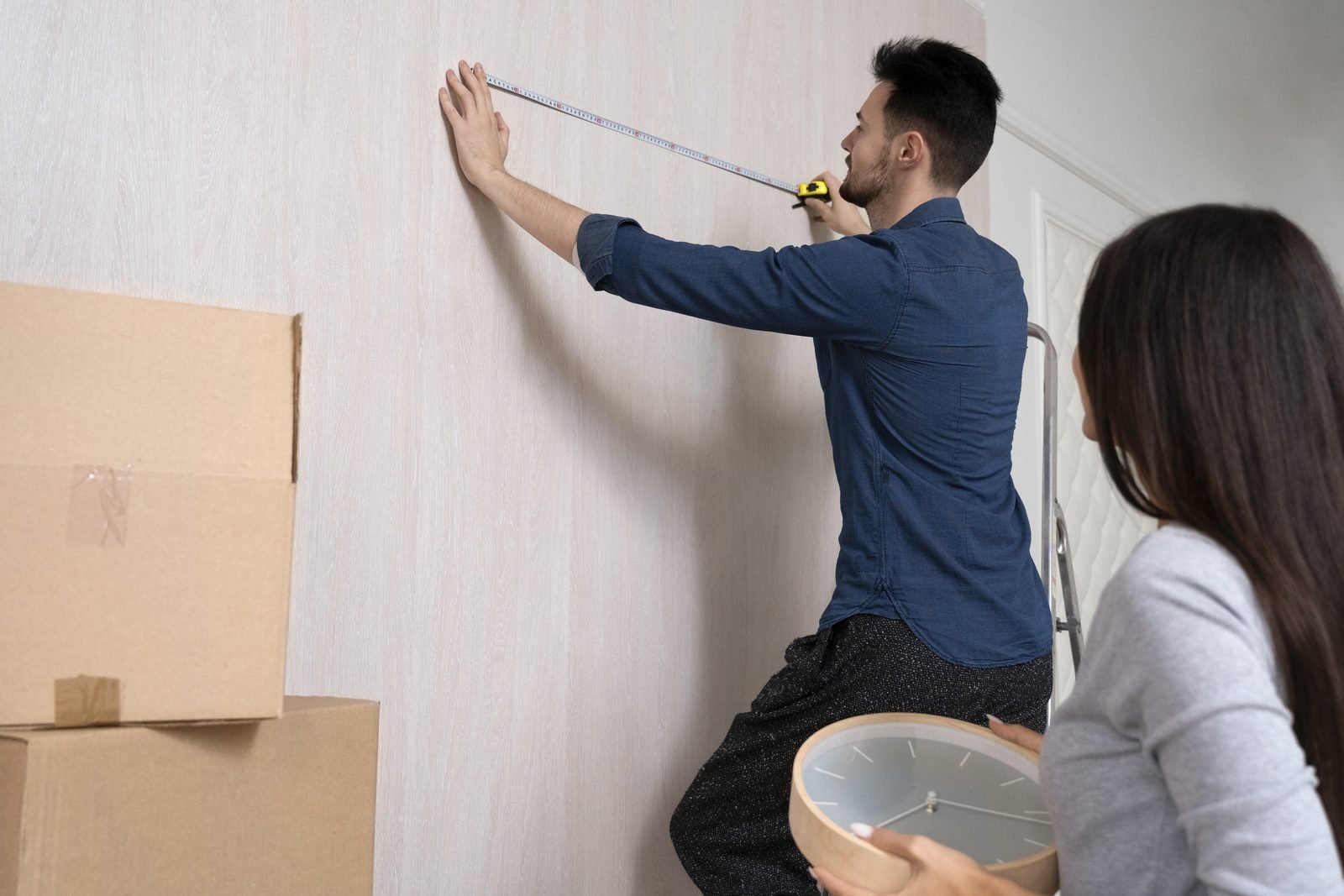
From a real-estate professional’s perspective, a detailed inspection report is the document that best protects both sides: it replaces “I think it was already like that” with an objective record. If you have questions about your rights and responsibilities, consult a lawyer.
What to agree on with your landlord (always in writing)
Some changes add value to the home and may even appeal to the owner; others they will want you to undo when you leave. An email or text with a saved reply prevents most misunderstandings. Use the checklist below to guide the conversation.
Checklist before you change anything
- ☐ Painting walls: which colors, and whether you need to restore the original color when you move out.
- ☐ Holes: roughly how many, and whether you should fill and touch them up when you leave.
- ☐ Wallpaper or decals: whether they are allowed and on which surfaces.
- ☐ Replacing light fixtures, showerheads or faucets: who installs them and what happens to the original parts.
- ☐ Air conditioners, window guards and TV mounts.
- ☐ Shelves and cabinets fixed to the wall.
- ☐ Building or HOA rules that affect decorating, such as the exterior, balconies and permitted hours for work.
Your lease may also require you to follow the building’s rules, so ask for a copy before you start.
What about improvements that stay?
Whether you can be reimbursed for an improvement that stays in the home — or must remove it when you leave — depends on your lease and on local law, which vary by country and state. Before investing in anything permanent, confirm in writing what will happen when you move out, including whether you can take it with you.
Walls without renovation: decals, removable wallpaper and art
Walls raise the most questions. These alternatives are low risk:
- Removable wallpaper and peel-and-stick vinyl: transform an accent wall, the front of a cabinet or dated tile. Test first in an inconspicuous spot, because on fragile paint, removal can pull off the finish.
- Leaning art: layered on a console, dresser or shelf, frames need no new holes and let you change the arrangement whenever you like.
- Adhesive hooks and strips: good for lightweight pieces. Respect the manufacturer’s weight limit and follow the removal instructions.
- A large floor mirror: leaned against the wall, it makes the room feel bigger and requires no installation.
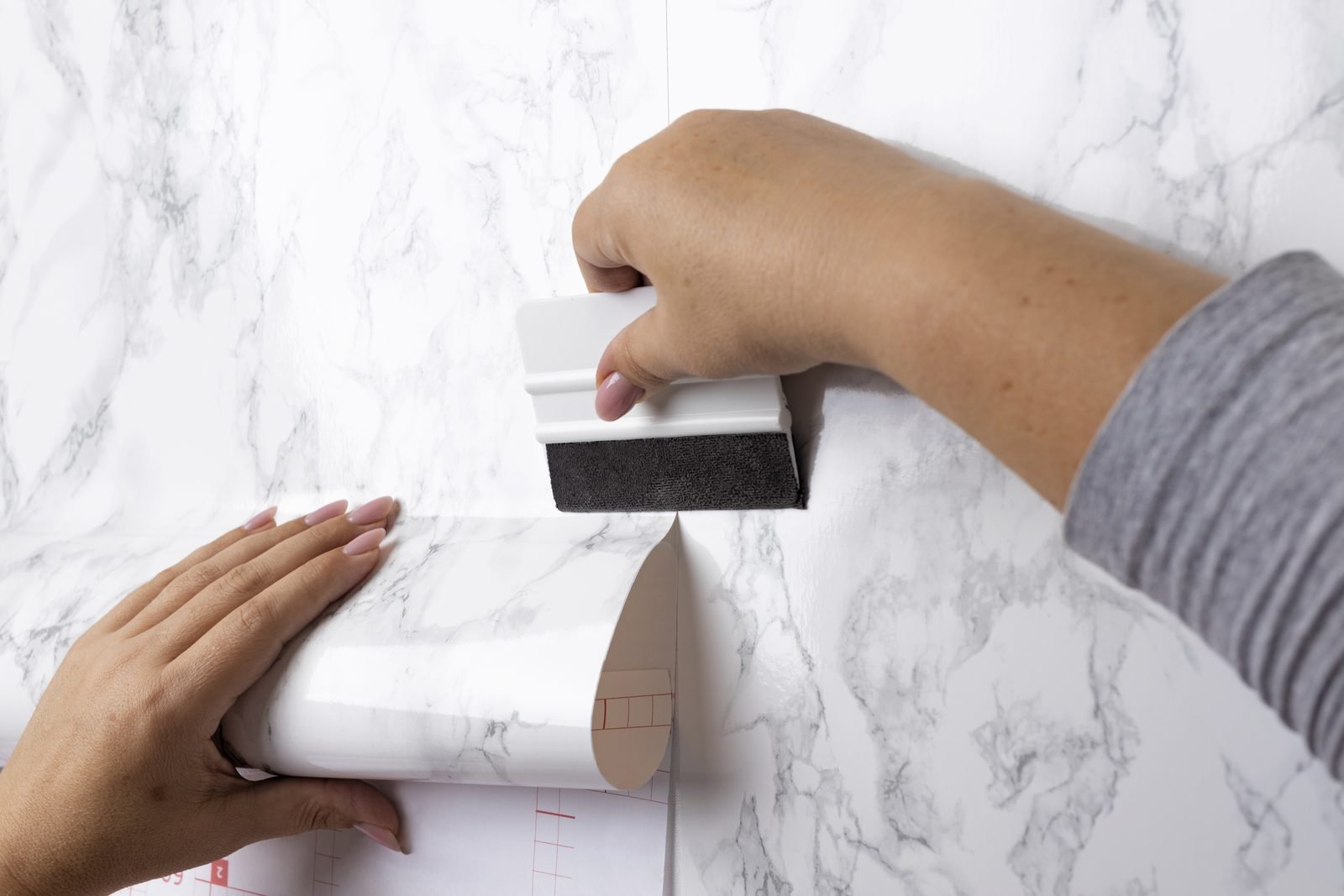
If painting is allowed, a colored wall is one of the highest-impact, lowest-cost changes you can make. Just don’t forget to agree on how it will be handled at move-out.
Lighting that leaves with you
Many rentals have only one central ceiling light per room, usually bright white and flat. Instead of touching the wiring, create layers with plug-in pieces:
- floor lamps beside the sofa or a reading chair;
- table lamps on the nightstand and console;
- warmer-toned or smart bulbs that fit the existing sockets;
- plug-in LED strips for niches and bookcases.
If you want to replace a chandelier or pendant, get your landlord’s approval, hire a licensed electrician and keep the original fixture to reinstall when you leave.
Furniture and textiles: decor that moves with you
Investing in movable pieces is the smartest strategy for renters, because each one comes along to your next home.
- Rugs define zones and disguise flooring you don’t love.
- Curtains add coziness and privacy. Since curtain rods usually require holes, include them in your agreement with the landlord.
- Throws and pillows refresh a sofa for very little money.
- Freestanding and modular furniture, such as bookcases, consoles and floor-standing cubbies, adapts easily to other floor plans.
- Plants bring any corner to life. See options in our guide to the best plants for apartments, and check toxicity if you have pets or children.
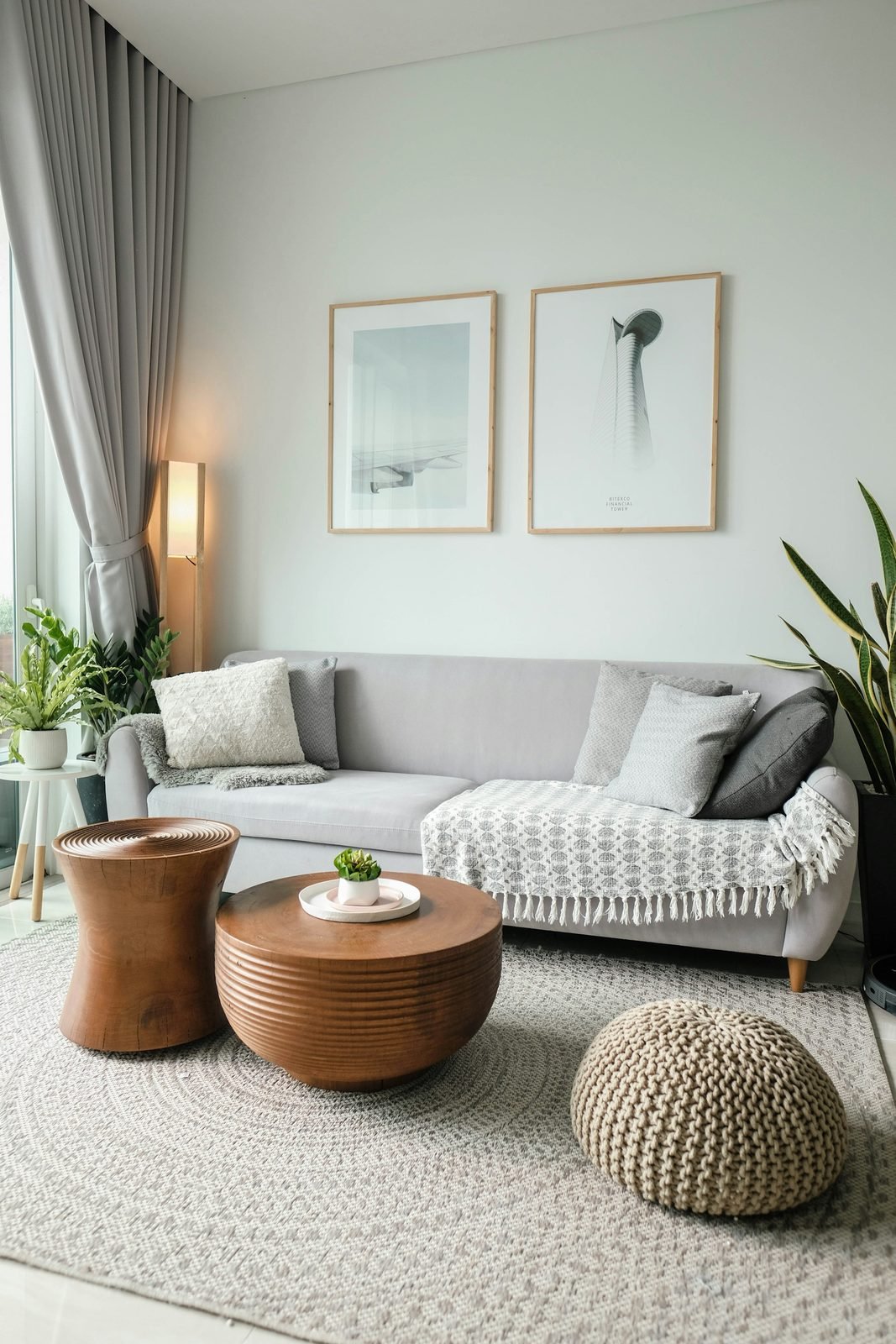
If your home is compact, the strategies in our article on small apartment decorating complement these tips.
Kitchen and bathroom: small swaps, big impact
These are the rooms with the least freedom, but there is still a lot you can do without renovating. In the kitchen, organizers, matching containers, rails that need only a few holes and peel-and-stick decals over tile — always tested first — refresh the look. In the bathroom, a new shower curtain, a bath mat, towels in the same palette and countertop organizers change how the room feels.
Swapping cabinet hardware is another effective fix: keep the originals in a labeled box so you can put them back before you move out. Plumbing changes, such as a new faucet or showerhead, should be approved by your landlord and handled by a licensed plumber. For more ideas, see our small kitchen ideas.
When it’s time to hand back the keys
- Remove decals slowly, following the manufacturer’s instructions.
- Reinstall the original parts you stored, such as cabinet hardware, light fixtures and showerheads.
- Do what you agreed regarding holes and paint.
- Compare the home with the move-in report and photos before the move-out inspection.
Normal wear and tear is usually treated differently from damage and unapproved alterations, but the exact definitions depend on your lease and local rules. If there is a disagreement at the move-out inspection, your lease and move-in records are the foundation of the conversation — and, if needed, seek legal advice.
Frequently asked questions
Can I paint the walls in my rental?
It depends on your lease. Since many leases require you to return the home in the condition you received it, the safest approach is to ask for written permission and agree on whether you will need to repaint the original color when you leave.
Am I allowed to put holes in the walls of a rental?
There is no single answer: it depends on your lease and on local rules, which vary by country and state. Check whether your lease mentions holes, and agree with your landlord on how they will be handled at move-out.
Does peel-and-stick wallpaper damage paint?
It can, depending on the paint and the adhesive. Test it in an inconspicuous spot, wait a few days and remove it slowly. On freshly painted walls, follow the drying time recommended by the paint manufacturer before applying anything.
Who pays for improvements I made to the home?
That depends on your lease and on local law, which vary by country and state. Before you invest, get written agreement from your landlord on whether an improvement will be reimbursed, can stay or must be removed — and, if in doubt, consult a lawyer.
Conclusion
Decorating a rental is about finding the balance between personality and responsibility. With your lease read, a well-documented move-in inspection, agreements in writing and a focus on pieces that move with you, your home will feel like yours from the first day to the last.
Have you decorated a rental? Tell us in the comments which solutions worked best for you.
Featured image: Photo: Danilo Rios / Unsplash