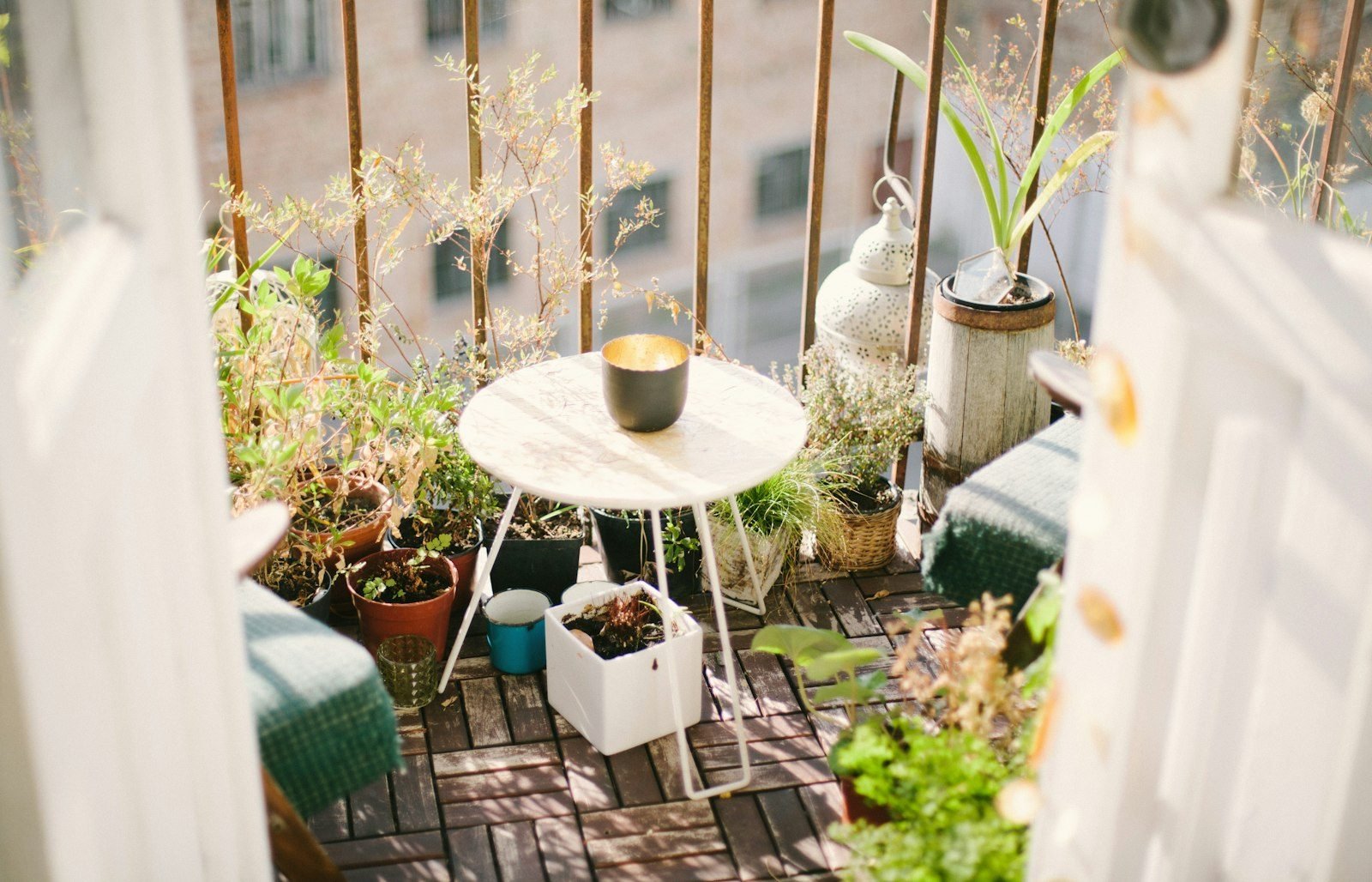
A balcony filled with greenery changes the way you live in your home: it becomes a spot for morning coffee, for reading and for unwinding at the end of the day. But choosing balcony plants calls for a different eye than picking plants for indoors. Out there, the sun can be intense, the shade can be total and the wind, especially on higher floors, batters leaves and knocks over pots.
In this guide, you’ll learn how to size up your balcony quickly, discover plants for full sun, partial shade and windy spots, and understand the container, watering and safety basics that make a real difference. We also point out which plants are toxic to cats and dogs, according to trusted sources.
Step one: size up your balcony
Before you buy a single plant, spend a day or two watching the space. Three factors determine what will thrive there:
- Hours of direct sun: count how many hours the sun actually hits the floor or the wall. Afternoon sun is usually hotter and harsher than morning sun.
- Shade: recessed balconies, those with a slab overhead or those facing nearby buildings may get only daylight, with no direct sun at all.
- Wind: notice whether light objects move around often and whether gusts pick up at certain times of day. Higher floors and corner balconies tend to be more exposed.
Light-colored walls and glass also reflect light and heat, which can overheat a corner that looks sheltered.
Checklist before you set up your green balcony
- How many hours of direct sun does the space get in summer and in winter?
- Is there a water spigot nearby, or will you be carrying a watering can?
- Does the floor slope toward a drain so excess water can run off?
- Do your building’s rules (HOA, condo board or lease) allow railing planters or hanging pots?
- Have large, heavy planters been checked by a qualified professional for load?
- Do pets or young children have free access to the balcony?
Balcony plants for full sun
If the sun shines on your balcony for several hours, make the most of it: these are ideal conditions for aromatic herbs, flowers and succulents, which tend to struggle indoors.
- Rosemary (Salvia rosmarinus): needs full sun and well-drained soil. It’s listed as non-toxic to dogs and cats by the ASPCA (the American Society for the Prevention of Cruelty to Animals).
- Basil (Ocimum basilicum): great if you cook, and it loves heat and sun. It also appears as non-toxic on the ASPCA list.
- Lavender (Lavandula): fragrant and decorative, it demands full sun and soil that never stays soggy. Be aware that the ASPCA lists it as toxic to dogs, cats and horses.
- Geranium (Pelargonium): a classic of flower-filled balconies, it needs full sun, meaning at least six hours of direct sun a day, according to North Carolina State University Extension (NC State). It’s toxic to pets, and cats are the most sensitive.
- Succulents: echeverias (Echeveria) are considered non-toxic by the ASPCA, while the jade plant (Crassula ovata) is toxic. Always check the botanical name before you buy.
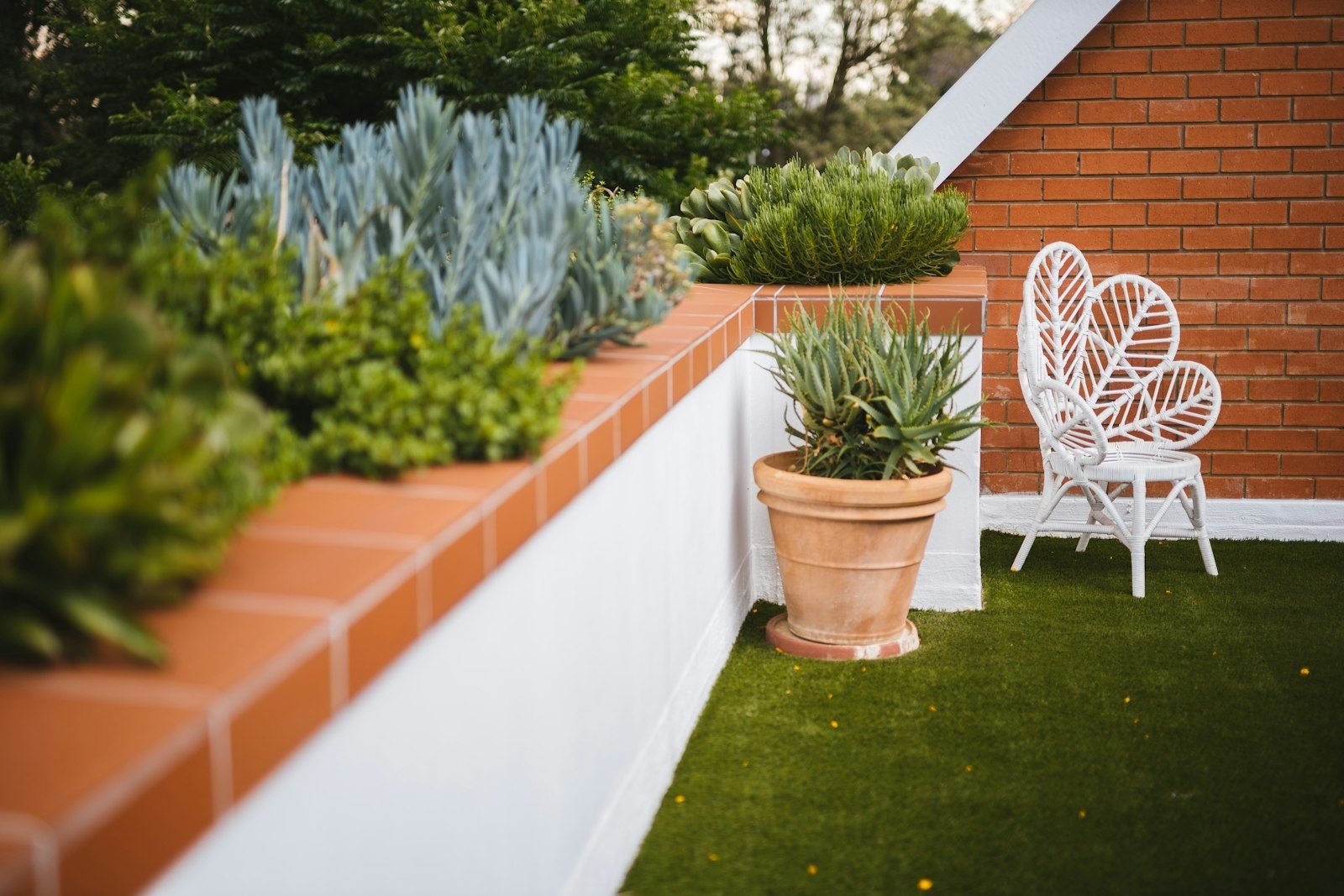
Balcony plants for shade or partial shade
A balcony without direct sun doesn’t have to go without greenery. Many tropical foliage plants actually prefer this kind of filtered light:
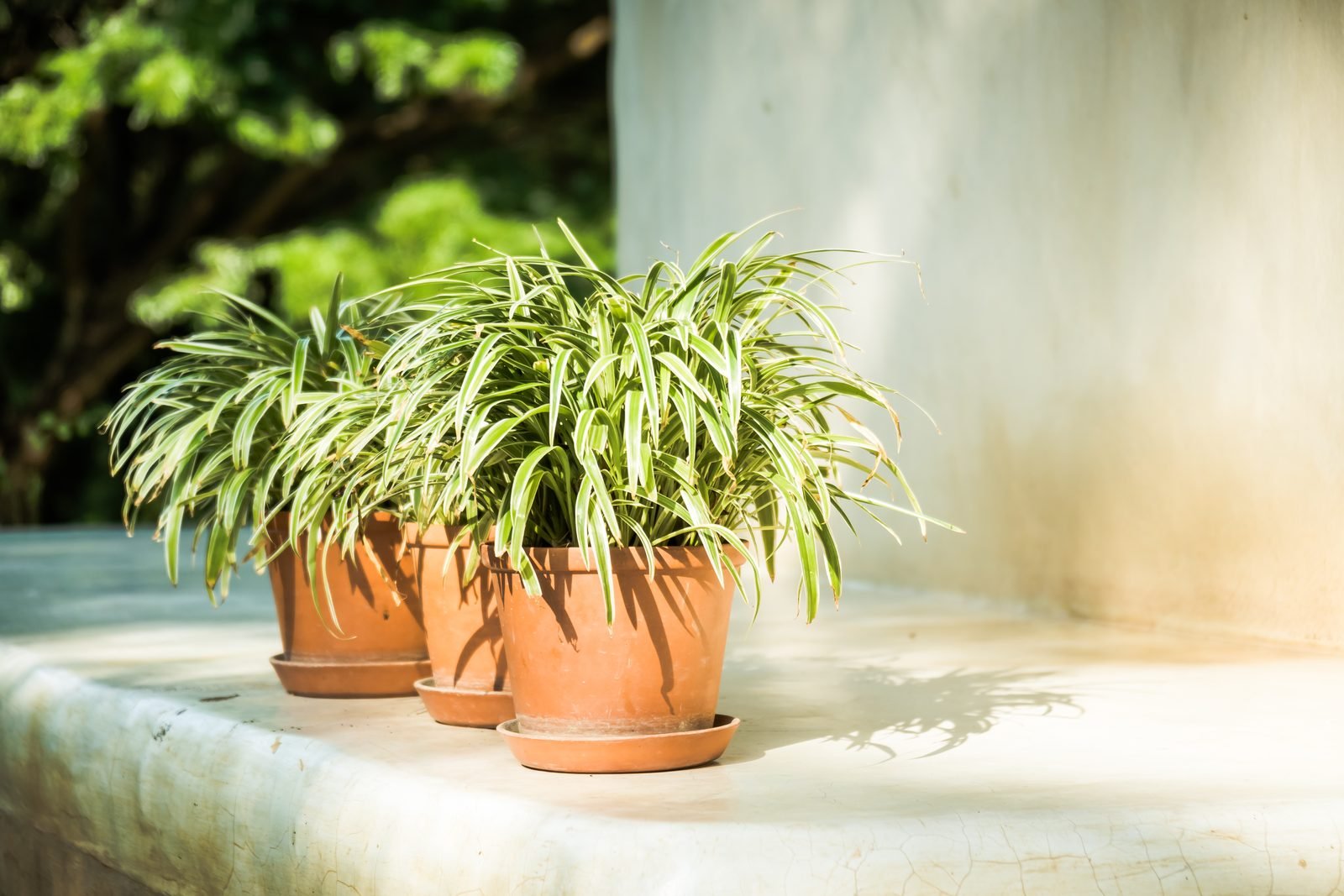
- Spider plant (Chlorophytum comosum): tolerates deep shade and dislikes direct sun. Non-toxic to dogs and cats according to the ASPCA.
- Lady palm (Rhapis excelsa): NC State Extension recommends it for containers in shady spots on a patio. Also non-toxic.
- Boston fern (Nephrolepis exaltata): gorgeous in hanging baskets, but it needs high humidity and consistently moist soil. Protect it from drying drafts.
- Calatheas (Calathea/Goeppertia): patterned foliage that burns in strong sun and craves humid air. Non-toxic to pets.
- Peace lily (Spathiphyllum): blooms in partial shade, but it’s toxic to dogs and cats.
Windy balconies: how to protect your plants
According to the UK’s Royal Horticultural Society (RHS), strong wind and intense sun are the main limitations of balconies and roof terraces. A few strategies help:
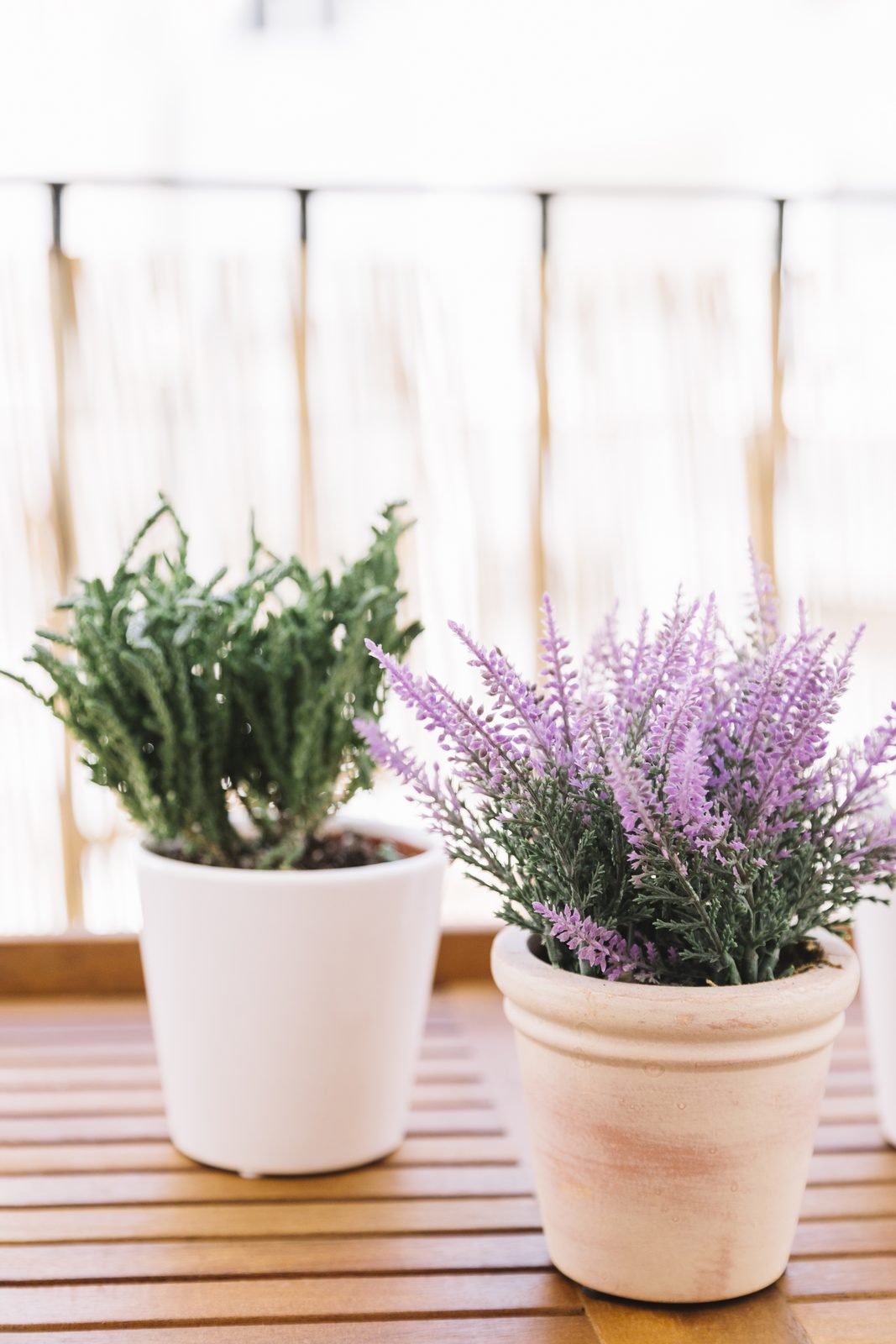
- Choose tougher foliage: the RHS points to plants with small, narrow, waxy or gray, hairy leaves, such as lavender, as better suited to wind. Large, thin leaves tend to tear and dry out.
- Go for permeable windbreaks: mesh screens and slatted panels filter wind better than solid barriers, which create turbulence.
- Secure your pots: lightweight pots can tip over in gusts. Use wide bases, group pots against the wall and fasten planters with sturdy brackets.
- Nothing loose on the railing: objects falling from upper floors are dangerous. Follow your building’s rules on exterior planters.
- Save delicate foliage for sheltered corners: Swiss cheese plants (Monstera deliciosa) and ferns often suffer in constant wind, with torn leaves or dry tips. Keep in mind that the Swiss cheese plant is toxic to dogs and cats, according to the ASPCA.
Containers, potting mix and watering outdoors
On a balcony, pots lose water much faster than indoors. The RHS notes that containers dry out quickly on hot, windy days, and that in summer some plants may need watering daily or even twice a day.
- Material: plastic, metal and fiberglass pots lose less moisture than terracotta. Terracotta is great for succulents and lavender, which like to dry out between waterings.
- Drainage: generous holes in the bottom and a lightweight drainage layer prevent waterlogged roots.
- Pot feet or stands: raising the pot protects both the roots and the floor.
- Weight: large planters get heavy with wet soil. Place them against the walls, and check with your building management and a qualified professional before installing large pieces.
- Timing: water in the morning or late afternoon, and make sure the runoff doesn’t drip down the facade or onto the balcony below.
If you travel often, a simple drip irrigation system with a timer helps you keep watering consistent.
Arrangement: how to group your pots with style
A beautiful balcony is rarely a row of identical pots lined up against the railing. Play with different heights: a taller plant in the corner, medium ones on stools or plant stands, and a few trailing plants near the ceiling. Grouping pots in sets of three or five creates a sense of unity, and repeating the material or color of the pots keeps the arrangement tidy even with a mix of plants. If space is tight, a vertical garden uses the wall without taking up floor space, and narrow shelves keep herbs within easy reach.
Summary: which plant for each condition
| Plant | Ideal light | Watering | Dogs and cats |
|---|---|---|---|
| Rosemary | Full sun | Moderate; well-drained soil | Non-toxic |
| Basil | Full sun | Regular, never soggy | Non-toxic |
| Lavender | Full sun | Infrequent; can’t stand soggy soil | Toxic |
| Geranium | Full sun | Let it dry between waterings | Toxic |
| Echeveria | Full sun or very bright light | Infrequent | Non-toxic |
| Spider plant | Partial to full shade | Moderate | Non-toxic |
| Lady palm | Shade | Regular, less in cold weather | Non-toxic |
| Boston fern | Filtered light | Keep soil consistently moist | Non-toxic |
If your balcony is also a place to entertain, see how to balance plants, furniture and a grill in our guide to the small balcony outdoor kitchen.
Frequently asked questions
Which plants can handle strong sun all day?
Rosemary, lavender, geraniums and succulents are among the options that love full sun. Even they need more frequent watering on very hot days, since containers dry out fast.
What can I grow on a balcony with no sun?
Spider plants, lady palms, calatheas and ferns adapt to filtered light. Skip aromatic herbs in this kind of space, because they depend on direct sun to grow well.
How do I keep the wind from knocking over my pots?
Use heavier pots with wide bases, group them against the wall, fasten planters with sturdy brackets and consider mesh screens to break up gusts. Never leave loose pots sitting on the railing.
I have a cat. Which balcony plants should I avoid?
Of the plants mentioned here, lavender, geraniums, peace lilies and jade plants are toxic according to the ASPCA. Choose rosemary, basil, spider plants, lady palms and echeverias instead, and consider adding safety netting to your balcony.
Conclusion
Watch the sun and the wind, choose plants that suit those conditions, and invest in well-drained, well-secured containers: that’s the path to a green balcony that lasts. Which plants live on your balcony right now? Tell us in the comments. And to bring the greenery indoors, check out the best plants for apartments.
Featured image: Photo: Artur Aleksanian / Unsplash